

I’ve glanced in the direction of Italo Calvino’s Six Memos for the Next Millennium from time to time during my year-plus of writing these posts, but I’ve never, until now, approached the work head on. In just under two weeks, my spring semester class — Intro to Lit Studies, built around the Memos — comes to an end. And my students are beginning work on their own “sixth memos,” in which they’ll promote, as Calvino does, literary values close to their hearts. Calvino died in 1985, having finished only five of his memos. We know his thoughts on Lightness, Quickness, Exactitude, Visibility, and Multiplicity; about Consistency, his planned sixth memo, we can only speculate. My question, then, to KR readers: What literary value do you hold most dear? What value would you hope to see championed during the remaining 990 years of this millennium?
In a short preface to his collection, Calvino calls the last 1000 years “the millennium of the book.” Waving aside concerns about “what will happen to literature and books in the so-called postindustrial era of technology,” he continues,
My confidence in the future of literature consists in the knowledge that there are things that only literature can give us, by means specific to it. I would therefore like to devote these lectures to certain values, qualities, or peculiarities of literature that are very close to my heart, trying to situate them within the perspective of the new millennium.
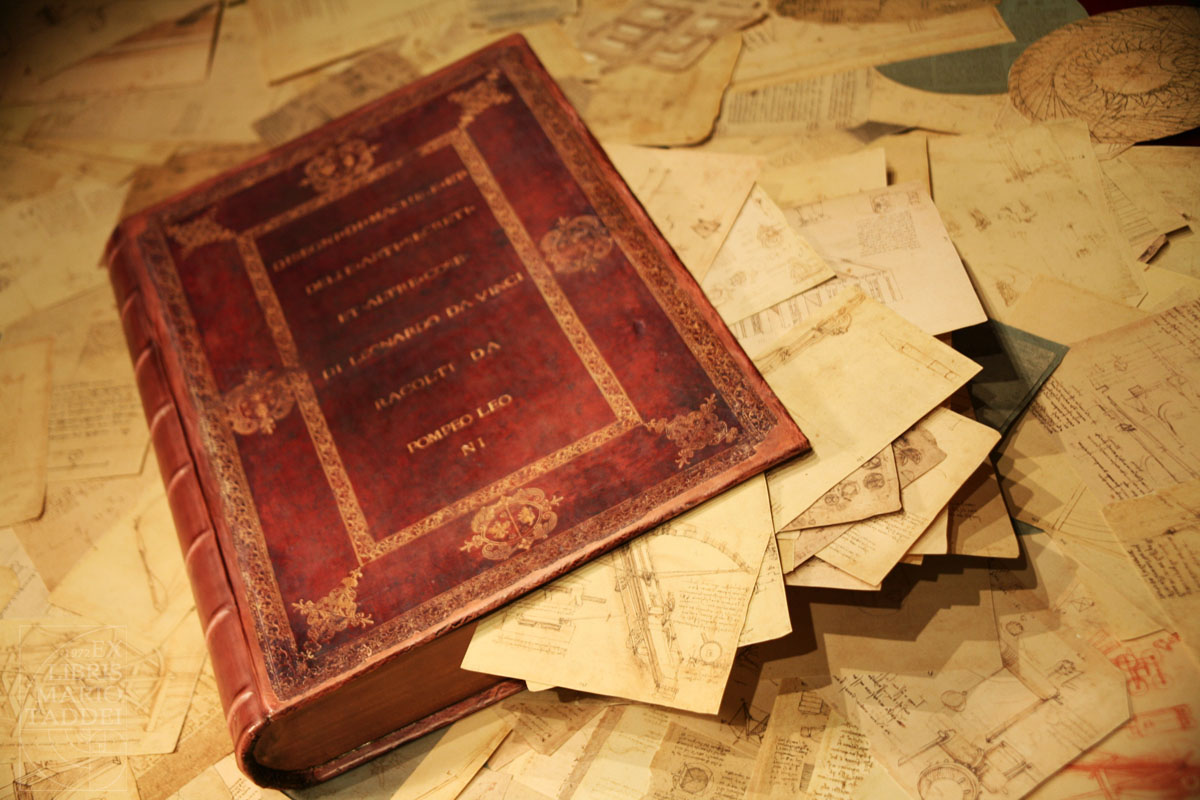
The completed memos are chockablock with difficult-to-shake examples supporting these “values, qualities, or peculiarities of literature.” For Lightness, Calvino calls on Kafka’s heroic Bucket Rider, floating and disappearing “beyond the Ice Mountains.” For Quickness, he presents a one-sentence story by Augusto Monterroso: “When I woke up, the dinosaur was still there.” For Exactitude, he turns to Leonardo’s Codex Atlanticus, in which the artist imagines a marine monster “furrowing the sea waters.” For Visibility, he recalls the cartoons of his childhood: Happy Hooligan, the Katzenjammer Kids, Felix the Cat, Maggie and Jiggs (“all of them rebaptized with Italian names”). And for Multiplicity, he points to Borges’ “The Garden of Forking Paths,” “which is presented as a spy story and includes a totally logico-metaphysical story, which in turn contains the description of an endless Chinese novel — and all this concentrated into a dozen pages.”



In our class we’ve read some of the supporting texts that Calvino mentions, along with other works — A Midsummer Night’s Dream, Dorothy Parker’s stories and poems, Milan Kundera’s The Book of Laughter and Forgetting, Calvino’s Invisible Cities, and Tony Kushner’s Angels in America — that seem (to me, anyway) to embody some of the qualities described in the Memos. And now, as I mentioned above, we’re trying to complete Calvino’s would-be six-pack, to out-Calvino Calvino. (From the Multiplicity memo: “Overambitious projects may be objectionable in many fields, but not in literature.”) So, again: What about you? What value would you choose to promote? I know we don’t always generate a lot of conversation on this blog (Bill’s magnificent Stephen King post notwithstanding), but I’d love to see people chime in with their own “sixth memo” candidates.

Mine would be “difficult laughter.” I’m like Archilochus’ hedgehog: just one trick.