The Kenyon Review Developmental Editing Fellowship for Emerging Writers is designed to nurture and develop new voices in fiction, nonfiction, and poetry. The fellowship will provide support for emerging writers who demonstrate exceptional talent, promise, and commitment to their chosen craft. Participation in the program involves one-on-one mentorship by an experienced editor on the KR team over a period of four months. Fellows can expect to have monthly hour-long conversations with a Developmental Editor, who will provide feedback and suggestions on a book draft.
Eligibility
- Applicants must be twenty-one years of age or older.
- This fellowship opportunity is open to any writer who is not currently enrolled in a degree-granting creative writing program.
- Applicants should not have published a full-length literary book with a major publisher, university press, or other established press, or be under contract for a book. Published work in literary magazines or journals is acceptable.
- Writers from communities that are traditionally underrepresented in the publishing industry are especially encouraged to apply.
Application
- Submit between November 1 and December 15, 2025.
- Include…
- a project description (max 500 words). Please note any challenges or particular areas of concern within the work.
- a poetry or prose writing sample of the project. The writing sample should be 10–15 pages (double spaced for fiction and nonfiction).
- a recent copy of your CV.
- The application fee is $18.
- All fee-paying applicants are invited to claim a complimentary half-year Print plus Digital subscription toThe Kenyon Review (for domestic addresses) or a half-year digital subscription (for international addresses) through December 31, 2025.
Selection Process
Our Developmental Editors (members of the KR editorial team) will review the applications and select the Fellows they will work with. They will reach out to the Fellow and arrange for an initial conversation by phone or Zoom. Fellows and Developmental Editors will collaborate on a work plan, establish goals, and determine deadlines and a schedule for monthly hour-long conversations. Over the course of four months, they will meet by phone or Zoom to discuss the progress of the writing project. Winners will be announced in April 2026.
Frequently Asked Questions
Eligibility
Who is eligible for this fellowship?
Writers who are at least twenty-one years old and not currently enrolled in a degree-granting creative writing program and who have not yet published full-length volumes of literature are eligible.
What if I have a BA in creative writing or am currently enrolled in a BA program in creative writing?
If you received a BA in creative writing, you are eligible. If you are currently enrolled in a degree granting creative writing program (BA, BFA, MFA, or PhD), you are not eligible.
I am not a US citizen. Am I eligible to apply?
Yes.
Are MFA candidates eligible for this fellowship?
No, writers who are currently enrolled in an MFA program are not eligible for this fellowship.
If I have completed an MFA program, am I eligible to apply?
Yes, we welcome writers who have previously completed an MFA program.
Am I eligible if I am WAY over twenty-one?
Yes.
Am I eligible if I am currently enrolled in (or a graduate of) a graduate program that isn’t in creative writing?
Yes.
If I’ve published a chapbook, am I eligible?
Yes.
If I’ve published three chapbooks, am I eligible?
Yes!
If I’ve published a cookbook or a chapter in a textbook, am I eligible?
Yes. As long as you have not published a full-length volume of poetry or prose, you are eligible.
If I’ve self-published full length volumes, am I eligible?
No.
Application Process
How do I apply?
Using Submittable, please submit a narrative of a project in process (500 word maximum, and please note any challenges or particular areas of concern within the work); a poetry or prose writing sample of the project, 10–15 pages (double spaced for fiction and nonfiction); a recent copy of your CV; and the $18 application fee. All fee-paying applicants are invited to claim a half-year subscription to The Kenyon Review by December 31, 2025.
When can I apply?
We are accepting applications from November 1 until December 15, 2025.
How much does it cost to apply?
The application fee is $18. All fee-paying applicants are invited to claim a half-year subscription to The Kenyon Review by December 15, 2025. If this fee poses a hardship, please contact us at kenyonreview@kenyon.edu and we will work with you.
When will winners be announced?
Early 2026.
The Fellowship
What is a developmental editing fellowship?
Writers may use these months to work with editors to expand and revise their work. Our Developmental Editors will review and select the writers they will work with. They will reach out to the writer and arrange for an initial conversation by phone or Zoom. Writers and Developmental Editors will collaborate on a work plan, establish goals and determine deadlines and a schedule for monthly hour-long conversations. Over the course of four months they will meet by phone or Zoom to discuss the progress of the writing project.
So the fellowship is to learn developmental editing?
No, the fellowship is meant to support emerging writers with developmental editing as they expand and revise a current writing project.
How often will writers communicate with the editor?
Fellows can expect to have monthly hour-long conversations by phone or Zoom with an Editor who will provide feedback and suggestions on the draft.
How long does the fellowship last?
Four months.
When will the developmental fellowship run?
Spring 2026.
Testimonials
“I had a great experience working with Brandon on my manuscript. He helped me find a more coherent sequence to my book, gave me feedback on individual poems, and even inspired me to generate new work.… Brandon and I are also both new parents, and we spent a lot of time talking about how being a parent has changed us as poets, and how much poetry there is in parenthood.… He listened, sympathized, and did such close readings of my work. In the throes of being a new mom, there were so many moments where the poet in me felt erased. My meetings with Brandon were the much-needed reminder that that poet in me is still very much alive and I’m not alone in trying to balance the love for my art and my son! I’m so grateful for this mentorship and for the opportunity to work with Brandon. It was truly a gift.”
—Allison Albino, 2021 Fellow in Poetry
“This fellowship was an incredible gift that feels like a turning point for my writing. It came at just the right moment, as I was digging into a nonfiction project about restlessness and ADHD. My mentor, Jerald Walker, was a close reader and generous listener. I’m especially grateful for his perspective on storytelling and scene development, since I’m a writer who leans toward (or even hides in) poetry and metaphor. He challenged me to rethink when and how I engage metaphor, and my nonfiction feels more vivid, clear, and honest because of it.… The fellowship also brought the shape of my project into focus.… It felt like Jerald was dreaming with me about what this might become.… For me, the fellowship felt like the equivalent of a semester in an MFA program, but with the bonus of working entirely one-on-one with Jerald. I received extensive feedback, grew my reading list, tried new techniques, generated new material, and revised (and revised and revised).… Many, many thanks to The Kenyon Review and Jerald for this gift!”
—Emily Stoddard, 2021 Fellow in Nonfiction
“I arrived at my first fellowship meeting with a fractured story made up of a million half-baked ideas and half-finished drafts of chapters. I was also without any sort of traditional literary background: no MFA or creative writing or English degree, no published work, no writing community. I departed, a mere four months later, with a wealth of instruction and insight from my incredible mentor, a newfound resolve and confidence in my work, and a completed first draft of the novel I’ve been dreaming of writing for years. The fellowship provided the rigor and accountability I needed to turn out pages, as well as the space and encouragement I needed to fill them with work I was challenged by and am proud of. The Kenyon Review was incredibly supportive throughout the process and I could not be more grateful to have had the opportunity to be championed by an institution I so respect and admire.”
—Jane Walton, 2021 Fellow in Fiction
Past Developmental Editing Fellows
2025 Fellow in Fiction: Hilary Bell, for “Something Big”
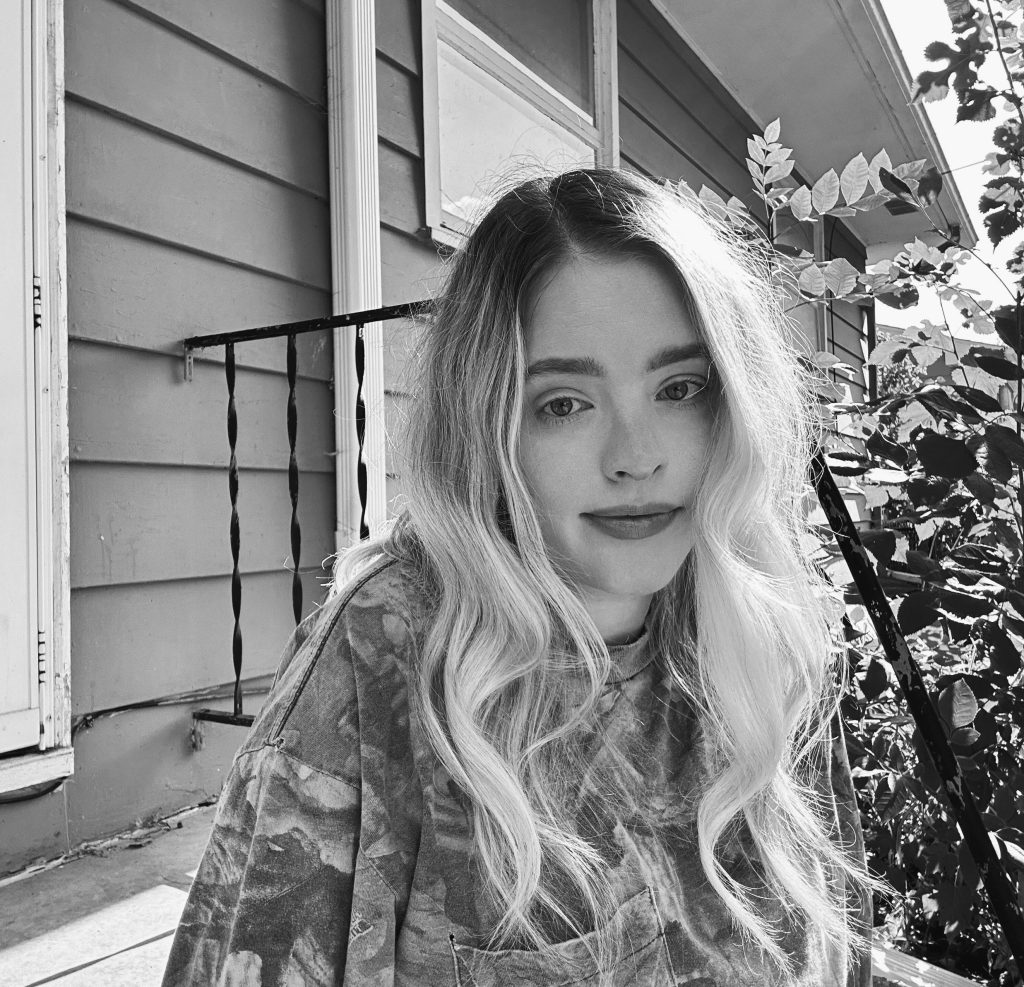
2025 Fellow in Fiction: Kate Busatto, for “My Undertaking”
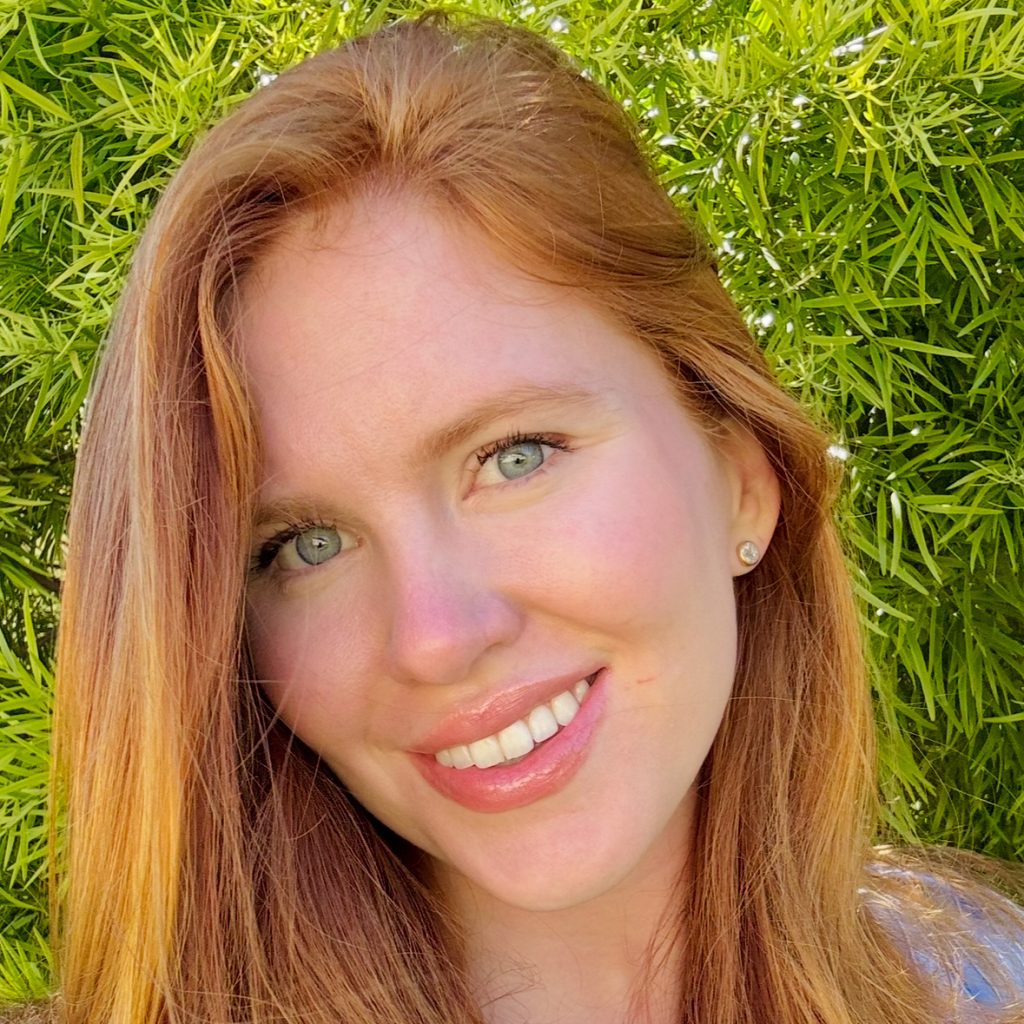
2025 Fellow in Nonfiction: Surya Milner, for “The Far West: Essays”
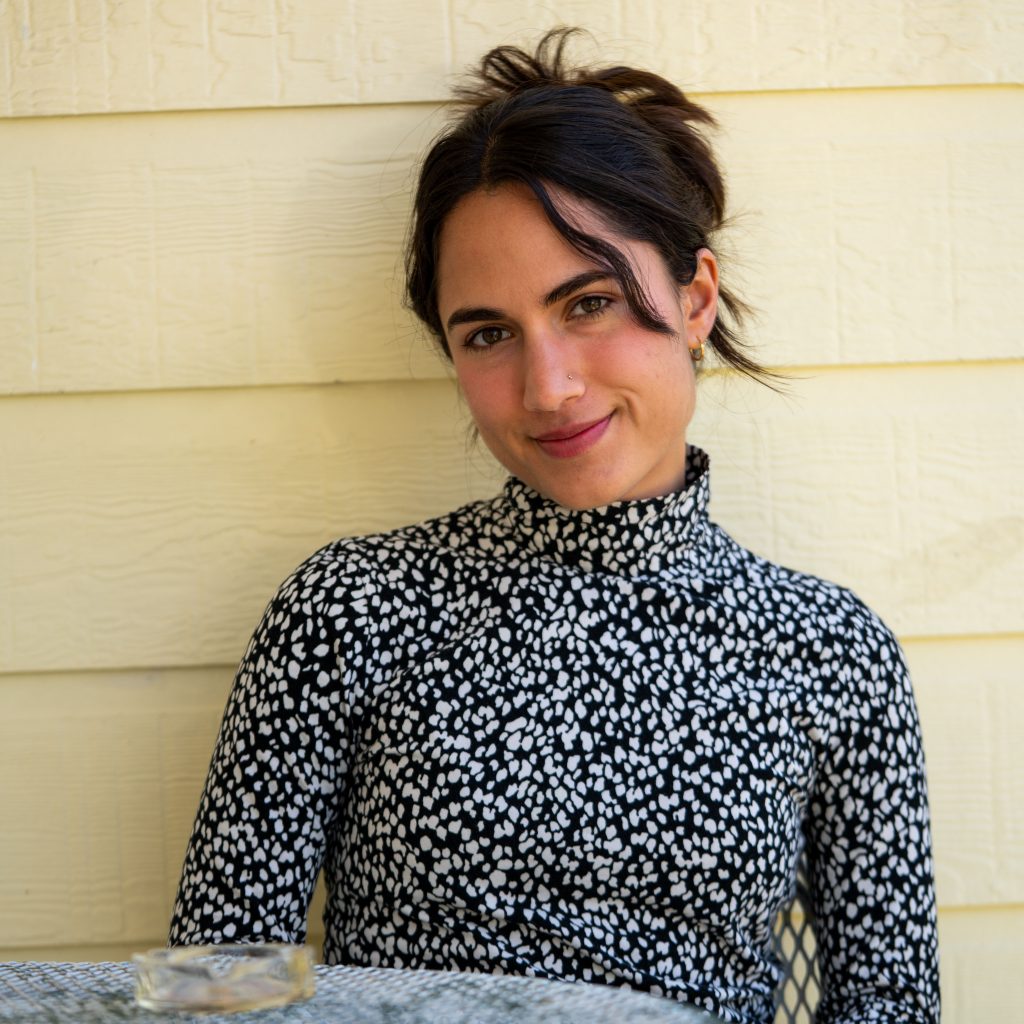
2025 Fellow in Poetry: Carolyn Orosz, for “’Not Long for This World”

Past Developmental Editors
2021 Developmental Editor in Fiction
2021 Developmental Editor in Nonfiction

2021 Developmental Editor in Poetry