

Information
2027 Dates
January 23–February 27, 2027
Tuition and Fees
$695
No application fee
Need-based financial aid is available
Application Materials
- Online application form
- 300 word personal statement
- A high school transcript (official or unofficial)
- Financial aid information (optional)
Application Timeline
Applications close December 16, 2026.
Overview
The Young Writers Winter Online Workshops provide young writers with a dynamic and supportive environment in which they can stretch their talents, discover new strengths, and challenge themselves in the company of peers who are also passionate about writing.
Our Winter Online Workshops offer an intimate setting for exploring a specific genre, craft element, or theme. Over the course of six weeks, students produce fresh work, improve their writing skills, explore their unique voice and perspective, and discuss the craft of writing (and rewriting) with instructors and other students.
Students meet in synchronous workshops every Saturday from 1:00-3:30 p.m. EST OR 7:00-9:30 p.m. EST. Check back soon for more details and workshop descriptions. Students may apply for multiple workshops, but may only attend one. Outside of workshop time, students will complete short reading and writing assignments and may attend optional participant readings.
Afternoon Workshops 1:00-3:30 p.m. EST
Why Look at Animals? with Aishvarya Arora
As humans, our senses, vibrant as they may seem, only access a fraction of the world. Animals are able to see “outside, outside and beyond” what we can, they are “experts of these interstices,” as John Berger put it in “Why Look at Animals?” Whether in Ovid’s Metamorphoses, Homer’s Iliad, or folktales and myths the world over, literature and childhood are furnished with animal encounters. With a selection of classic and contemporary poems that feature animals as our guide, we will write poems that conjure the stranger registers of human-animal relationships—resisting straightforward metaphorization, projection, or anthropomorphism. No previous writing experience necessary. Come curious and be prepared to follow language where it leads.
Feminist & Queer Approaches to Creative Writing with Brody Parrish Craig
In their debut collection, Andrea Abi-Karam demands the writer to “Kill The Bro In Yr Head.” In this workshop, we will ask: what can writing teach us about the ways we move through the world? How can we use our words to dismantle our own biases and the systems that live within us? Through exploration of gender and sexuality in creative texts across genres by TLGBQ+ and gender non-conforming writers, we will cultivate our own texts of interrogation and self-discovery. Possible topics include the Trans body, past selves, intersectionality and feminist fairy tales, as well as writing for social change. This workshop will provide prompts centering gender exploration in creative writing across genres including poetry, short story, and creative non-fiction.
Writing with Tarot: Divining the Deeps with Corinne Dekkers
In this class, we’ll partner with the Tarot and other modes of seeking (such as bibliomancy, oracle cards, augury, and contemplation) as allies for any stage of our writing process. We’ll dive into the 78 cards to discover new pathways into our work and to see our creative practice(s) from different perspectives. We’ll read poems, prose, and hybrid pieces, and our own writing might fall within or without any genre. If you have Tarot cards, feel free to use them in our journey, but your own deck won’t be necessary for this class.
Translating Memory with Julia Grawemeyer
Bulgarian writer Georgi Gosodinov, translated into 25 languages, is suspicious of his translators who never ask clarifying questions to the author. So how can we investigate the text of our memories to ask questions that translate them into writing that moves? We each carry indelible stories that have grown from big turning points and smaller, unexpected situations and influences. In this workshop, students will study literary techniques to write powerfully and concisely about formative moments that have shaped us in some way. Together, we’ll wrestle with the moving, slippery nature of memory in writing. This workshop applies the term translation figuratively. We won’t translate texts across languages, but students with experiences in other languages and other cultures are welcome!
You Must Change Your Life: An Exploration of Ekphrastic Poetry with Matthew Kelsey
While it’s most common for ekphrastic poetry to describe works of visual art, such as painting or sculpture, this workshop will feature a vast array of poems that address music, television, film, newspapers, and comics, as well. We’ll view art by Georgia O’Keeffe and Caravaggio, listen to music by Benjamin Britten and Irving Berlin, and read poems by Victoria Chang, Richie Hofmann, Terrance Hayes, Rochelle Hurt, and others. We’ll apply what we learned to our own art, so we can create our own establishing shot in a poem, set our lines to a beautiful score, and, ultimately, sculpt for ourselves a dynamic artist’s life. Students will be invited to share their music and visual art, as well.
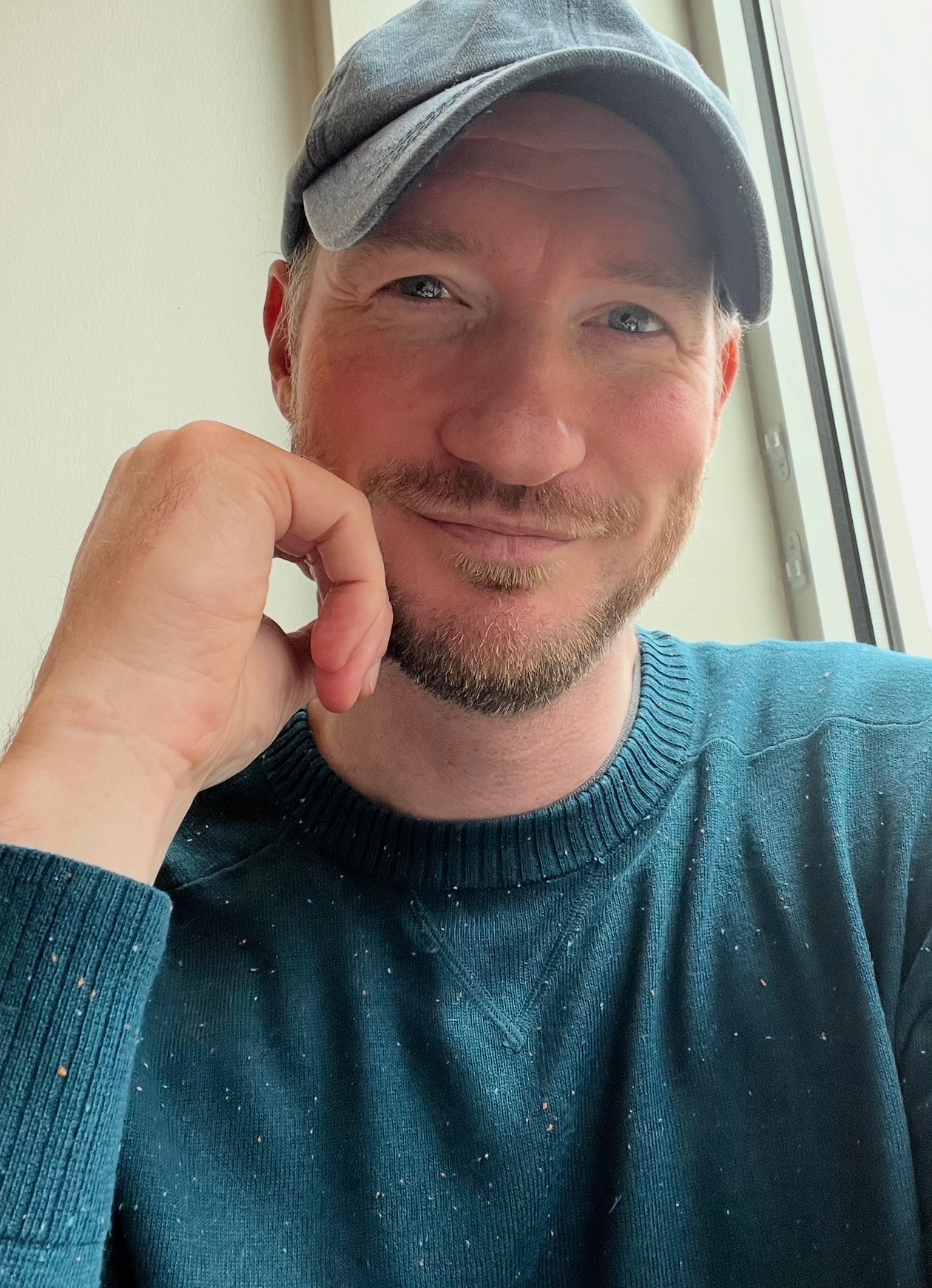
Starting and Sustaining a Novel with Keri Miller
It’s big! It’s scary! It’s a novel! In this workshop we will explore how to begin a novel and how to keep going. We will read and discuss strong opening chapters and write our own. Novel writing is not a one-size-fits-all, so we will try out various inspirational tools such as outlines, character sketches, and conflict-generating prompts to learn what strategies work best for our brains. The most essential skills of the novelist, however, are revision and endurance; therefore, along with writing and sharing, we will also practice revision tricks and share motivational tips.
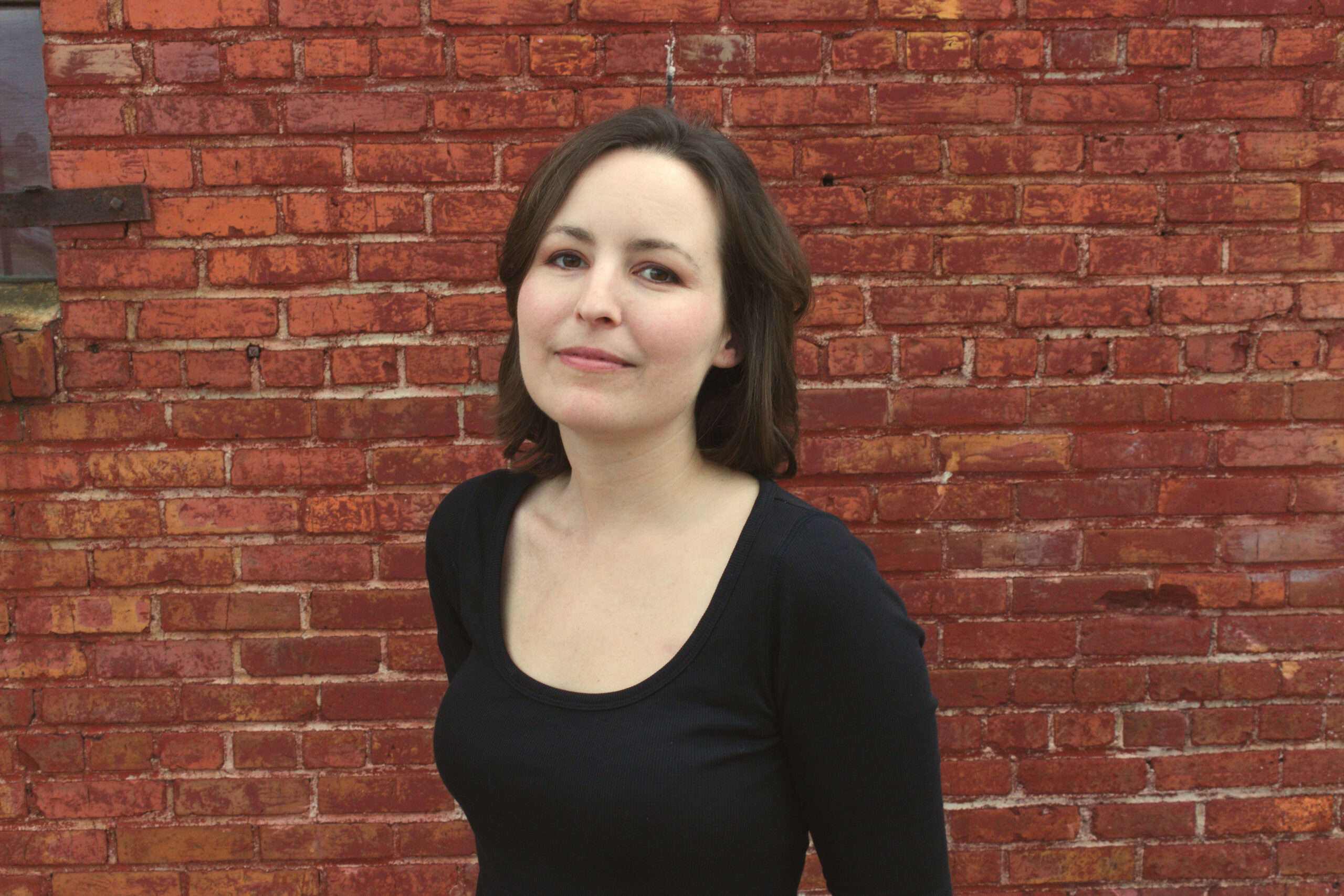
Raising Your Voice with Chukwuma Ndulue
This workshop will focus on honing your creative voice. We will discuss the concept of artistic choice, explore the processes of sensation and perception, and learn to use the power of uncertainty to strengthen and complicate our work. By the end of the workshop you will have a better understanding of what makes your writing unique and will possess a new set of tools to use in your future projects. While this workshop will have an anchor in poetry it will also include exercises from multiple disciplines including journalism, role-playing games, and songwriting. Readings will be poems, excerpts from craft essays, famous first drafts, and other texts.
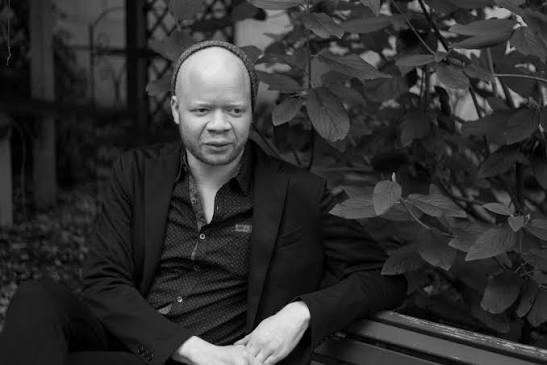
The Magic of Many Things: Hybrid and Experimental Writing with K.E. Ogden
Writers in this workshop will defy shapes, break containers, twist traditional forms, and redefine known genres as we put pen to paper in pursuit of our authentic voices. We will whisper back to writers like Gloria Anzaldua who asks, “Why am I compelled to write?” We will create unique work driven by observations, reflections, and experiences that only we can tell. We’ll use the notebook as our vehicle for exploring multigenre experimental structures like the Hermit Crab essay, self-portraits, and manifestos. We’ll define new genres in a style all our own. Throughout the course we’ll compile a textbook of prompts and exercises to fuel and inspire more writing in the new year.
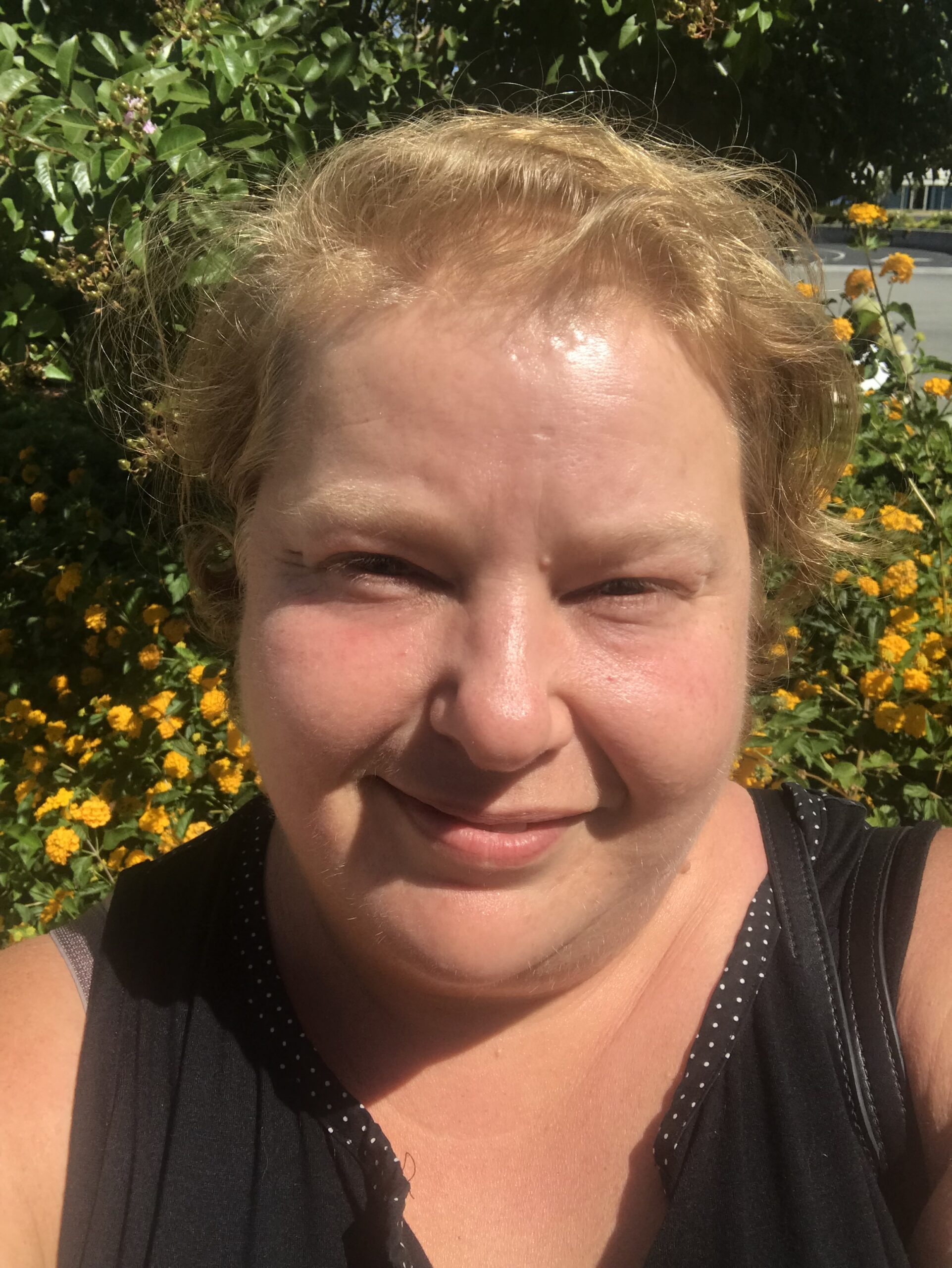
Translation as Teacher: Finding Your Poetic Voice Through the Act of Translation with F.M. Papaz
U.S Poet Laureate Arthur Sze believes that “translation practice is a vehicle to develop our own poetry… to awaken to the possibilities—and expand the resources—of our shared language.” This workshop will guide students through unlocking the expansive power of translation to find their own voice as a writer. We will begin with the foundations of the craft, covering central theory of translation & its ethical considerations, before engaging in translation mini-projects and finally, experimenting with mistranslation as a tool of inspiration. Students will translate selections from Sappho’s Ancient Greek to 1900’s Classical Chinese from San Francisco’s Angel Island Immigration Center, to modern K-pop inspired works and everything in between.
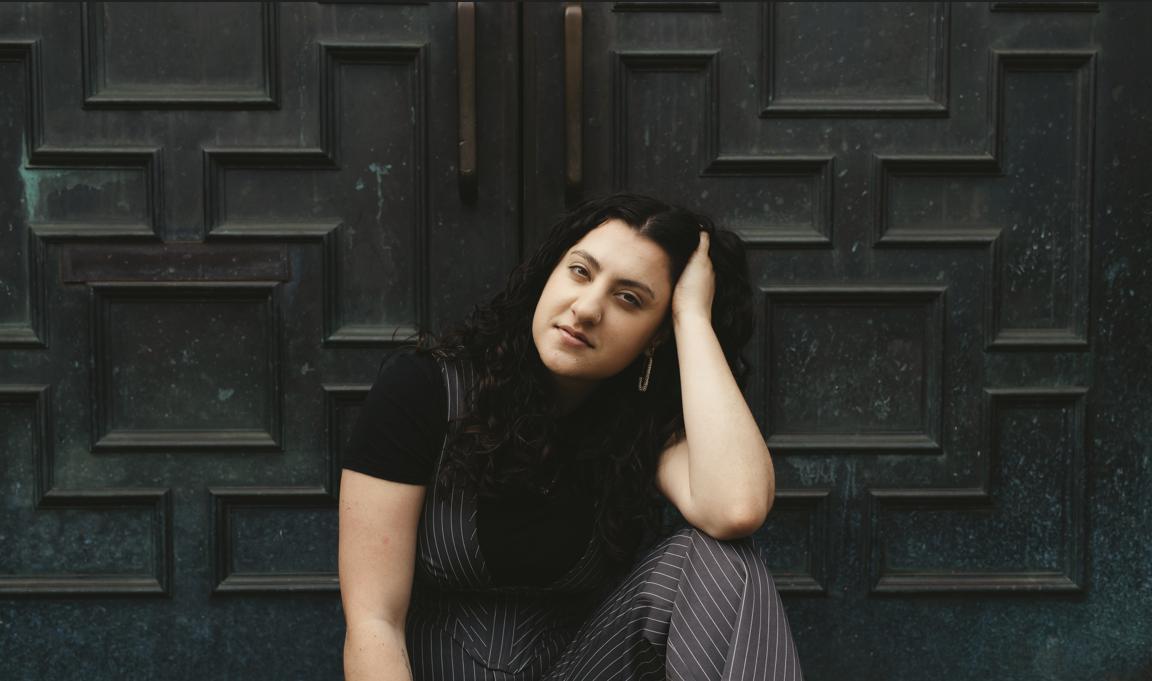
Our Surreal World with Mathias Svalina
This is a weird place, our real world. And trying to get the real world onto the page can make it even weirder. This workshop explores ways to merge surrealist or fabulist writing techniques with realist goals. It seeks to develop imaginative skills and to interrogate what makes ink on paper or pixels on a screen feel more or less “realistic.” We will write about our daily lives, our homes, our communities, our emotions, all with surrealist approaches. We’ll read and discuss poetry and prose that employ surrealism and fabulism, and write from prompts and guided writings. We’ll share our writings and discuss our responses, learning from each other’s gestures and efforts. This workshop is open to any genre.

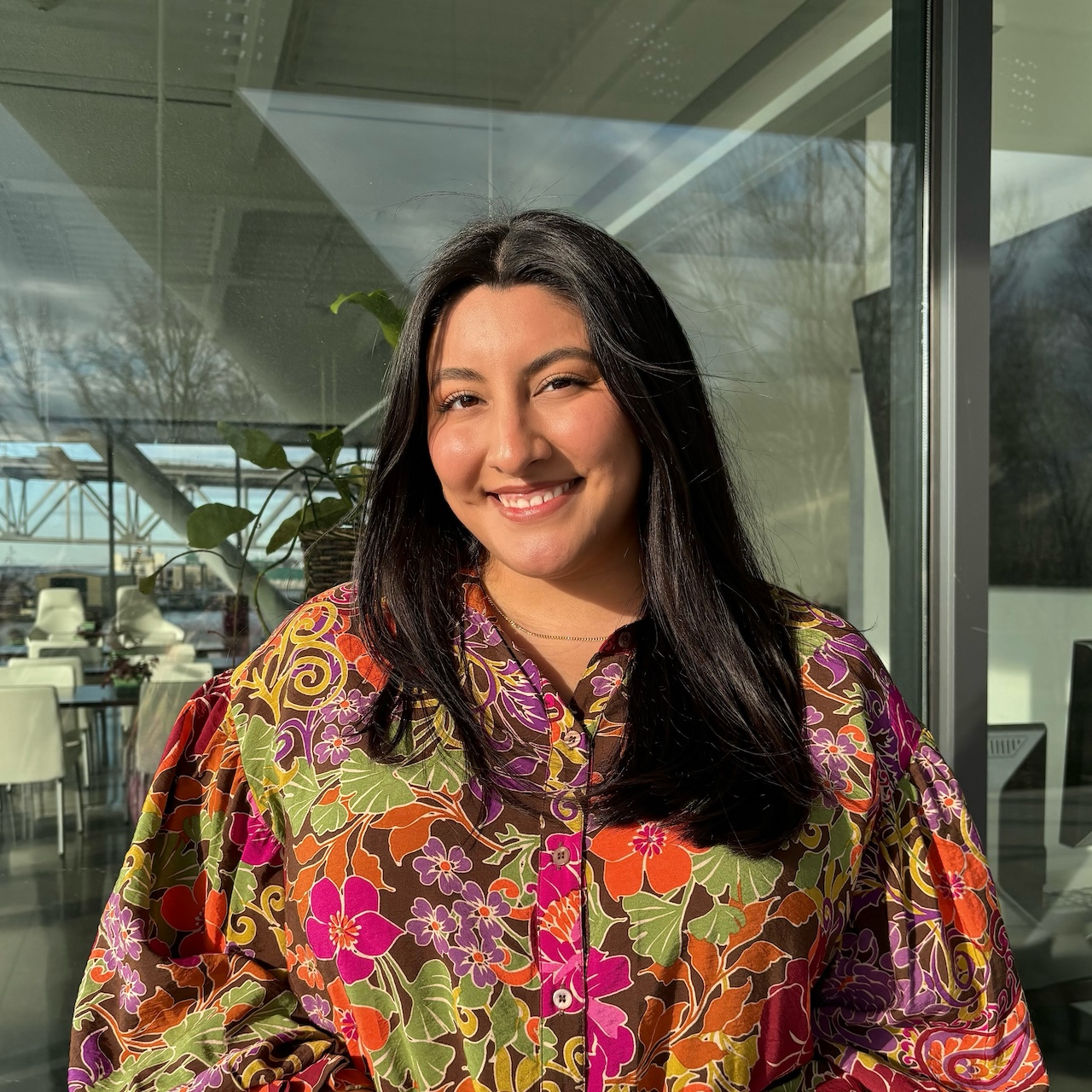
Stanzas, Scenes, Chapters, and Beats: An Introduction to Writing for the Screen with Rose Torres
Stories are built to be followed, composed of acts, arcs, chapters, and stanzas. And, of all the structural elements of a story, beats are the smallest. Blake Snyder defines a beat as a significant story moment that changes the direction of a plot by providing new information, shifting the emotional stakes, or revealing a twist. In short, beats are building blocks, and understanding them is essential for writing a screenplay. In this genre session, we will examine poems, stories, and films to approach writing for the screen, drafting beat sheets, pieces of dialogue, and eventually, whole scenes. We will also discuss the ways in which writing poetry and prose intersect with screenwriting, considering the economy of language and character.
Evening Workshops (7:00-9:30 p.m. EST)
Shaping The Divine with Joe Dahut
Writers have always contemplated the stars, but what do you see when you look up at night? One’s concept of the divine inhabits many modes, but finding, shaping, transcending, and channeling it takes practice. In this multi-genre workshop, we will use the mundane as a laboratory for revelation. Participants will be challenged, through prompts, analysis, freewriting, and ekphrasis, to redefine what the divine means to them. Workshop participants will delight in generating work that follows a divine creative tradition, by breaking free from it and making their own. The only truth that contains you is the divine you shape.
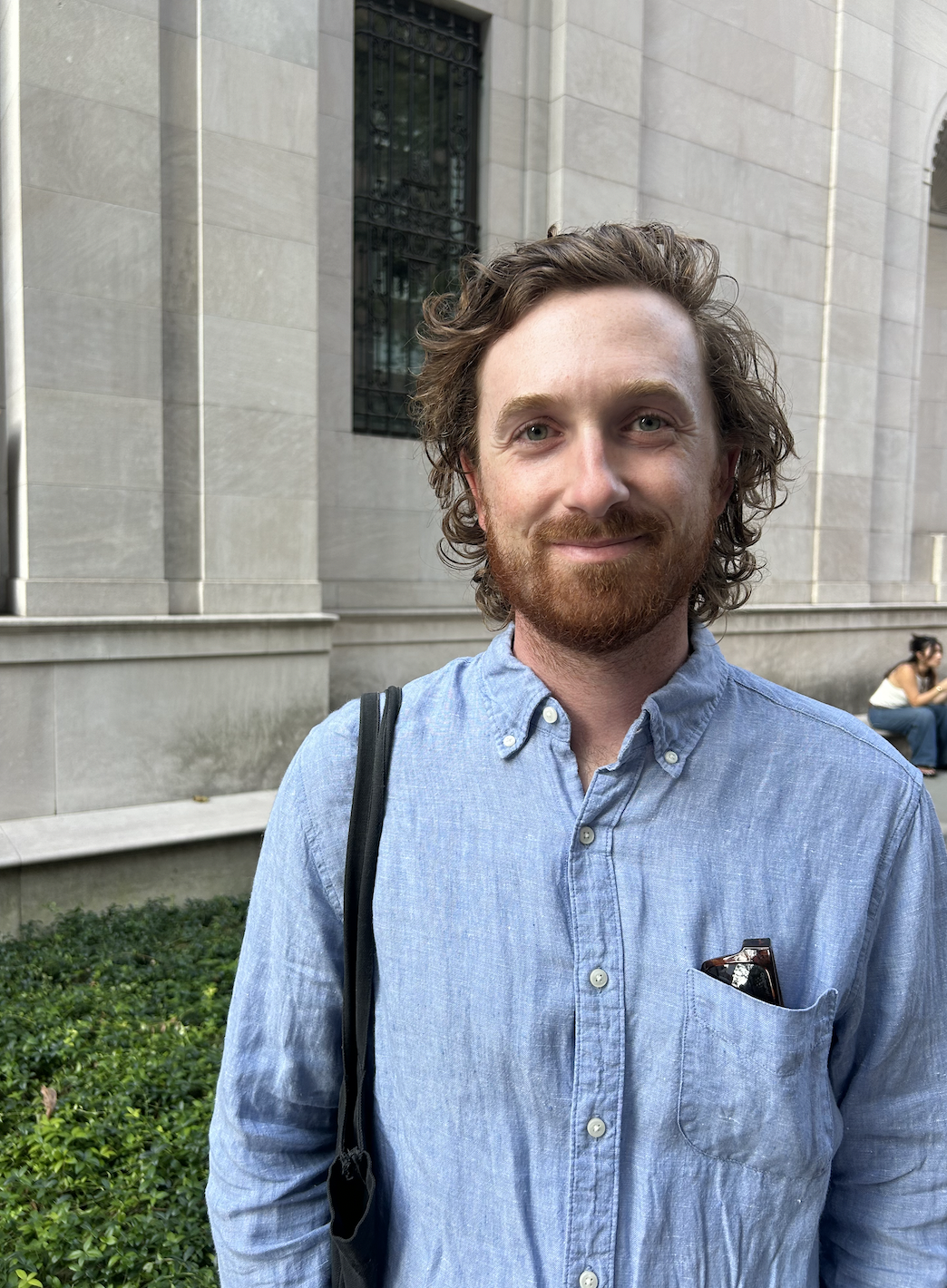
How to Build a Haunted House with Hal Dietrich
Haunted houses – or hotels, or shopping malls, or arcades – are places worthy of exploration. As writers, we can use haunted places to explore themes of grief, memory, and societal fears, but also how to stand together and confront (or maybe even befriend?) the ghosts that lurk within. In this workshop, we will be creating and exploring our own haunted locations, taking inspiration from classic authors such as Shirley Jackson; contemporary writer-directors such as Mike Flanagan; and even YouTubers such as the “Buzzfeed Unsolved” duo, Shane Madej and Ryan Bergara. This workshop is aimed at young writers interested in Gothic horror, world-building, and venturing into the unknown. Come wander into the dark with us.

Can a Poem be a Conversation? with Asa Drake
Frank O’Hara once wrote, “If I wanted to I could use the telephone instead of writing the poem.” Can writing a poem really be that easy? How might we convert low-stakes speech acts (or even text messages and emails) into poems that offer surprise and revelation? What formal choices might affect how the audience encounters our poems? Over the course of this six-session generative writing workshop, we’ll examine the speech acts we associate with love, friendship and thorny feelings to track where emotionally charged language comes from. With inspiration from Eduardo C. Corral, Aimee Nezhukumatathil, Kiki Petrosino, Brigit Pegeen Kelly and others, we’ll try poetic forms and devices from the cento to the caesura that will expand our writing practice.
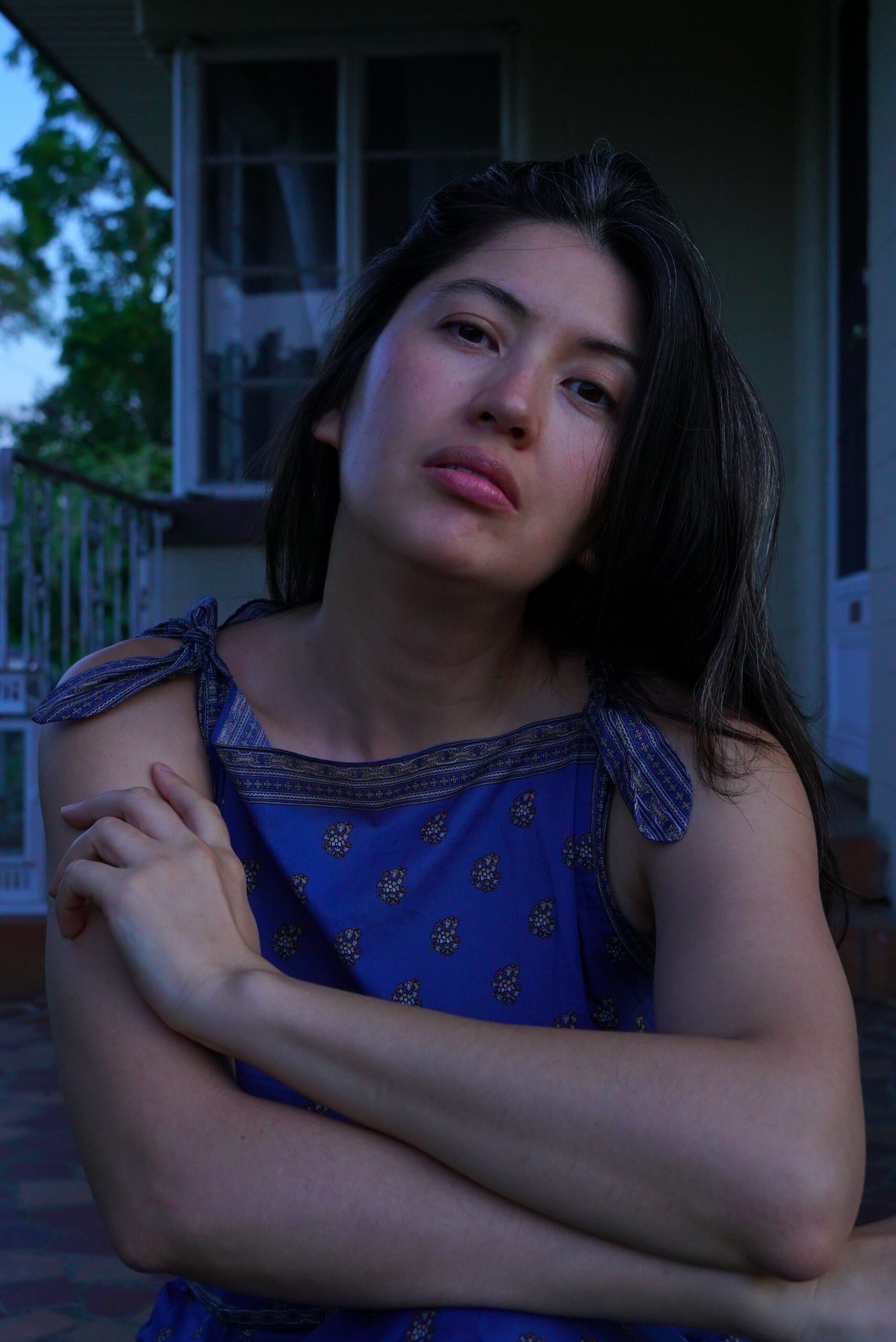
No Writing on a Dead Planet: Climate Fiction with Rose Paulson
In this generative workshop, we’ll explore climate fiction, also known as cli-fi, which examines the present and imagines the future as they relate to the climate crisis. As Margaret Atwood says, it’s not just climate change, it’s “everything change”—including our fictional worlds. Guided by contemporary authors such as Karen Russell, Omar El Akkad, Ted Chiang, and Lydia Millet, we’ll cover the many approaches we can take as fiction writers, writing flash fiction, sci-fi, realistic fiction, and found forms. We’ll discuss how to integrate scientific research into our fiction and ask what kind of responsibilities writers have to engage with the most pressing issue of our time. Both speculative and realist fiction writers are welcome!
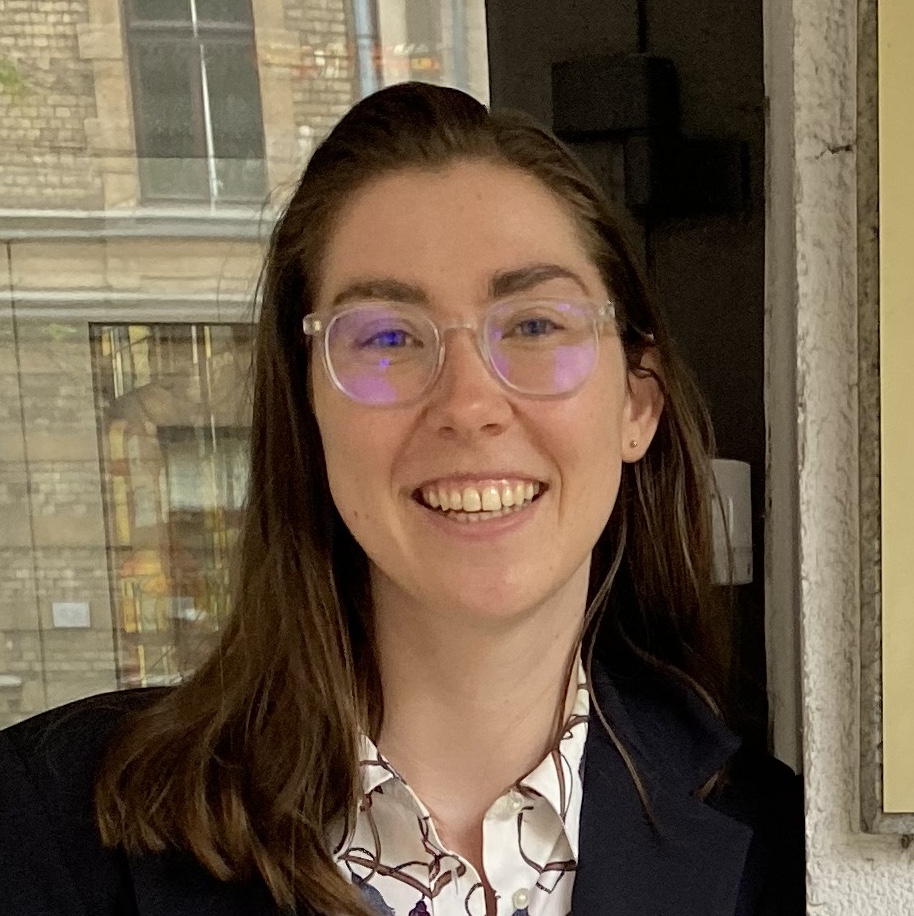
Exploring the Novella: The Middle Child of the Word Count World with Misha Rai
Sometimes cheekily called “the short novel,” the novella is the perfect form to practice long form writing. In this class, we will jump-start a novella: through generative writing prompts, original novella-centric questionnaires, studying the three act structure, and unpacking how to develop main and supporting characters, how to utilize different point-of-view strategies, how to develop tension and maintain it to keep a reader engaged, how to establish and utilize the setting, how to sustain voice, and how to deploy subtext and stage desire in extended scenes. A novella must earn the reader’s attention and belief without preamble or delay. It must be economical and controlled, driving the narrative with precision and focus to its conclusion.
Exploring the Novella is the first workshop in our new Novella Series. Learn more here.
FAQs
Am I eligible to apply?
You are eligible to apply if you are currently a high school sophomore, junior, or senior and/or will be between the ages of 16-18 years old at the time of the program.
International students are welcome to apply, as are students who have participated in Young Writers in the past.
Young Writers participants are a diverse group, representing a wide range of academic and personal interests. You should apply for the Young Writers program if you like to work with other people, are open to experimenting with new approaches, are willing to be playful and take some risks as a learner, and are interested in the process of learning.
How do I apply?
A complete application consists of the following:
- The online application form
- A 300-word statement, essay, story, or poem that illustrates why and/or how writing has been meaningful in your life (you may be as straightforward or creative with this prompt as you like).
- A high-school transcript, to be uploaded with the application form (we accept official and unofficial transcripts)
- Financial aid information (if you will be applying for need-based financial aid)
How much does the program cost? Is financial aid available?
The total cost of the Winter Online Workshop is $695, which covers program tuition and all program activities. Full tuition payment is due January 11. If you submit tuition but cancel your enrollment on or before January 13, the Kenyon Review will keep a $250 cancellation fee. There will be no refunds after January 13.
We offer need-based financial aid for families who cannot afford the costs of the program. Financial aid decisions are made on a case-by-case basis. Financial aid decisions are made in conjunction with admissions decisions; however, acceptance decisions are not affected by aid requests.
In order to apply for need-based financial aid, please fill out the “Financial Aid” section of the online application form.
How are applicants chosen for the program? How will I know if I am accepted?
The selection committee pays particular attention to the 300-word statement. We are looking for students who show promise and passion for writing. We strive to admit a diverse group of students with a wide range of academic and personal interests.
Admissions decisions will be announced via email in early January. Be sure to add submittable.com to your address book and/or check your spam folders for email confirmations and notifications that we may send via Submittable.
Young Writers Online is a selective program. To keep class sizes small, we are not able to admit all applicants and must turn away many talented writers each year. If you are not accepted to the Winter Online Workshop, we encourage you to apply for a summer workshop or reapply next year if you are interested and eligible.
Due to the number of applications we receive each year, we cannot comment on individual applications or offer feedback on application essays.
If I am accepted into the program, how do I enroll? What is your cancellation policy if I enroll but cannot attend?
If you are accepted into the program, you must submit the enrollment form and full tuition payment by January 11 to secure your place in the workshop you have been assigned. If you enroll in a workshop but are no longer able to attend, please let us know as soon as possible. If you submit tuition but cancel your enrollment by January 13, the Kenyon Review will keep a $250 cancellation fee. There will be no refunds after January 13.
How are workshops structured?
Groups of 12-14 students meet online with an instructor for a two-and-a-half hour workshop once a week for six weeks. Workshop time is spent freewriting, responding to writing prompts and assignments, discussing assigned readings, and sharing and discussing one another’s work.
Everyone in the workshop, including instructors, writes and shares work every day. The workshop is ungraded and student work is not evaluated in any formal sense. Instead, instructors emphasize techniques for responding to work in ways that will help the writers recognize their strengths, potential, and avenues for productive revision. Instructors also meet with each student in individual conferences toward the end of the six-week program.
Will Young Writers Workshops also be offered in the summer of 2027?
Yes. Please visit the Young Writers home page for dates and details about the Young Writers Summer Residential Workshop and Young Writers Summer Online Workshop.
The Kenyon Review Young Writers Workshop: The Novella Series
What is a novella? Chances are, you’ve already encountered one – or many – and that there are several on your bookshelf. Novellas hold a distinct place in international arts and letters: many classic and beloved works of fiction fall in the “novella” range of 25,000-60,000 words. Some KR staff favorites include:
- Things Fall Apart by Chinua Achebe
- Fahrenheit 451 by Ray Bradbury
- The House on Mango Street by Sandra Cisneros
- Heart of Darkness by Joseph Conrad
- A Christmas Carol by Charles Dickens
- Slow Boat by Hideo Furukawa
- The Metamorphosis by Franz Kafka
- Annie John by Jamaica Kincaid
- The Giver by Lois Lowry
- Chronicle of a Death Foretold by Gabriel García Márquez
- Bartleby, the Scrivener by Herman Melville
- Sula by Toni Morrison
- Animal Farm by George Orwell
- Wide Sargasso Sea by Jean Rhys
- Of Mice and Men by John Steinbeck
- The Strange Case of Dr. Jekyll and Mr. Hyde by Robert Louis Stevenson
- We the Animals by Justin Torres
- Slaughterhouse-Five by Kurt Vonnegut
- Night by Elie Wiesel
With this in mind, The Kenyon Review Young Writers Workshop is launching the Novella Series. The Novella Series is a three part modular workshop designed for young writers working on long-form fiction (50-90 pages). Each Novella Series workshop focuses on particular learning goals and provides immersive instruction to students at any stage of project development, from absolute beginner to draft-in-hand.
- Exploring the Novella: The Middle Child of the Word Count World debuts in our Young Writers Winter Online Workshop. Applications are open now, and classes meet on Saturdays in January/February. Click here to apply.
- Writing A Novella: Staying the Course focuses on developing the novella in progress. Apply in March. Classes meet on Saturdays in April/May.
- The Novella Cohort: Summer Residential Workshop meets during both sessions of our in-person, on-site summer program in June and July. Apply in January.
Young Writers Novella Series Overview
The Novella Series workshops are flexible. Participants can take one, two, or all three courses. Each module can be taken as a standalone course. Begin anytime. All Novella Series workshops are open to new and returning students alike.
Exploring the Novella: The Middle Child of the Word Count World. This workshop leads Young Writers through the early stages of writing a novella. This module focuses on novella craft elements such as plot, pacing, character development, style, point of view and voice. Generative writing prompts provide building blocks to shape the novella’s first draft. Applications are open through December 16. Apply here.
Writing a Novella: Staying the Course. The middle of any long writing project is always the most challenging. Great fiction takes time to develop. Continuing is essential to completion, so Staying the Course provides students with a community and generative instruction to make progress. Whether you’re starting your novella, stuck in the middle or nearing the finish line, this 6-week intensive helps Young Writers sustain momentum and stay on track.
The Novella Cohort: Summer Residential Workshop. Novella Workshop participants join The Kenyon Review’s in-person Young Writers Summer Residential workshops as a designated cohort. Each morning, Novella Cohort attendees take multi-genre generative writing workshops in concert with their peers. Each afternoon, the Novella Cohort meets in a genre-specific workshop to generate a strong draft of the work-in-progress.
The Novella Series Schedule and Tuition
Exploring the Novella: The Middle Child of the Word-Count World
Saturdays, January 23rd–February 27th, 2027
Tuition: $695
Writing A Novella: Staying the Course
Saturdays, April 3rd–May 8th, 2027
Tuition: $695
The Novella Cohort: Summer Residential Workshop
Session 1: June 27th–July 10th, 2027
Session 2: July 18th–July 31st, 2027
Tuition: $3,195
The Novella Series FAQ’s
- What do participants do in this workshop? All three modules of the Novella Series are generative. You’ll compose new work each session and make progress towards completing your novella.
- Do I need to have a draft of a novella to apply? Wherever you are with your novella project – starting from scratch or working with a draft – each session will help you make progress at your own pace.
- How many Novella Series classes can I take? Novella Series participants can take one session or enroll in multiple sessions. Participants can enroll in Novella Series courses in any order.
- I missed Exploring the Novella this winter – can I still sign up for Staying the Course or apply for The Novella Cohort: Summer Residential Workshop? Sure! There are no prerequisites for the Novella Series courses, but an application is required for each session.
- What is the average class size? Novella Series classes are capped at 10 participants to provide a tight-knit, supportive community.
Although enrollment in The Kenyon Review Young Writers Workshops is competitive, writers at all levels of writing practice are encouraged to apply. We offer robust, need-based scholarship support for Young Writers admitted to our online and residential workshops.


