

Information
2026 Dates
January 24–February 28, 2026
Tuition and Fees
$695
No application fee
Need-based financial aid is available
Application Materials
- Online application form
- 300 word personal statement
- A high school transcript (official or unofficial)
- Financial aid information (optional)
Application Timeline
Applications open November 1st and are due December 18, 2025.
Overview
The Young Writers Winter Online Workshops provide young writers with a dynamic and supportive environment in which they can stretch their talents, discover new strengths, and challenge themselves in the company of peers who are also passionate about writing.
Our Winter Online Workshops offer an intimate setting for exploring a specific genre, craft element, or theme. Over the course of six weeks, students produce fresh work, improve their writing skills, explore their unique voice and perspective, and discuss the craft of writing (and rewriting) with instructors and other students.
Students meet in synchronous workshops every Saturday from 1:00-3:30 p.m. EST OR 7:00-9:30 p.m. EST. Check back soon for more details and workshop descriptions. Students may apply for multiple workshops, but may only attend one. Outside of workshop time, students will complete short reading and writing assignments and may attend optional participant readings.
Afternoon Workshops 1:00-3:30 p.m. EST
Inciting Poetry: Writing with Revolutionary Lineage Towards Revolutionary Futures with Aishvarya Arora
How can reading & writing in revolutionary poetic lineages help us navigate the multiple crises of our current social & political moment? As importantly, what can they teach us about creating and nurturing the new worlds that will emerge from these moments? Taking guidance from writers like Claude McKay, June Jordan, Muriel Rukeyser, Fady Joudah, Franny Choi, Danez Smith, and others, in this generative workshop we’ll read, discuss, and write together to consider how elements of poetic craft can urge us towards interrogation and action. Together, we’ll reach for Jericho Brown’s definition of a successful poem: one that “begins a new way of living” in its reader.
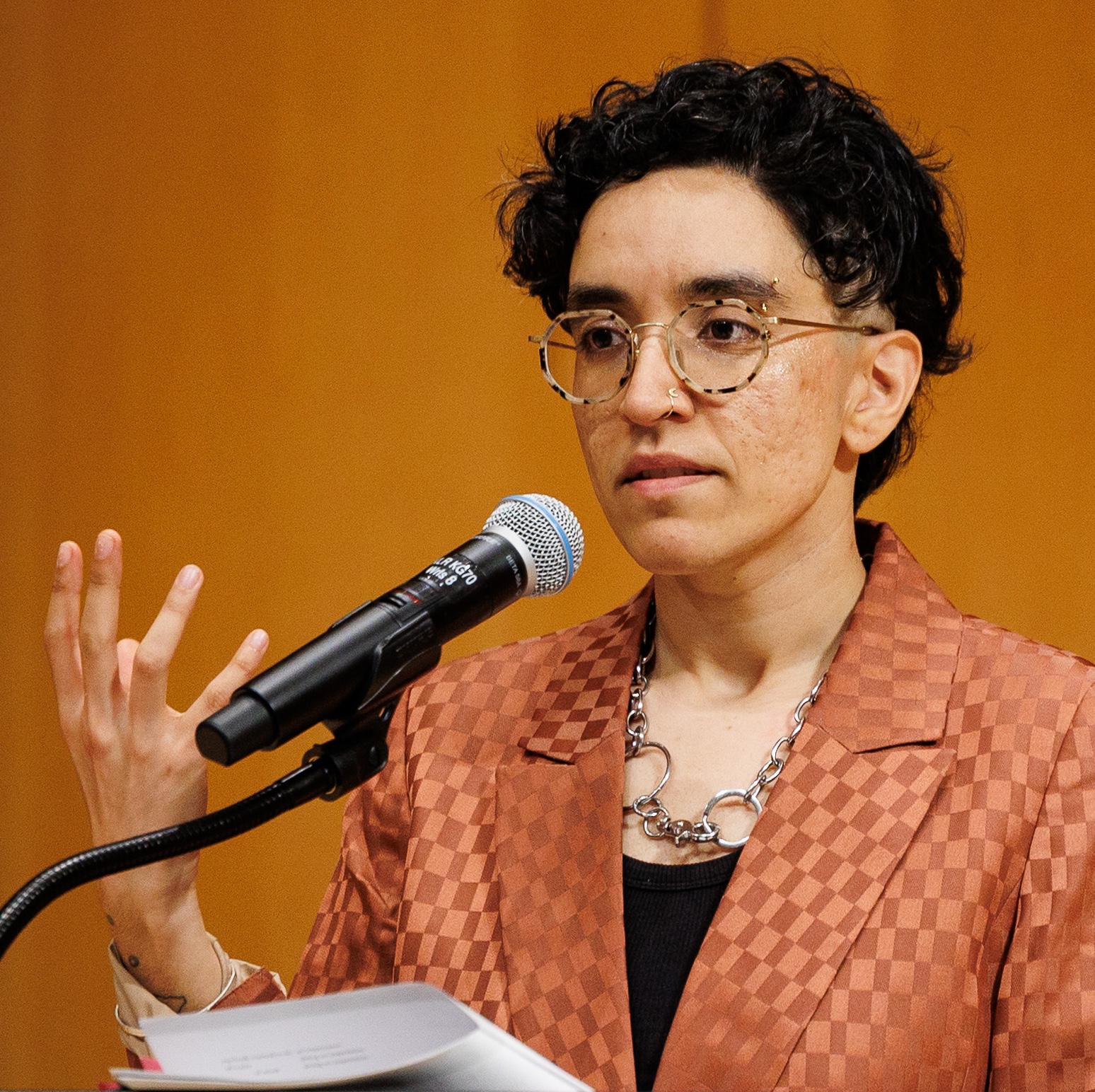
Hide and Seek and the Elegy with Corinne Dekkers
The ancient Greek philosopher Heraclitus tells us that, “nature loves to hide.” In this workshop, we’ll embrace the process of hiding and seeking and their relationship to loss. That is, we’ll explore the elegy (the poetic form of mourning) as a technology through which we too can hide, seek, and find our lost beloveds (whether human or animal, physical or metaphysical, collective or private, environmental or industrial). We’ll build ephemeral spaces to house our griefs, read and write elegies, and divine and create our dreams and futures.
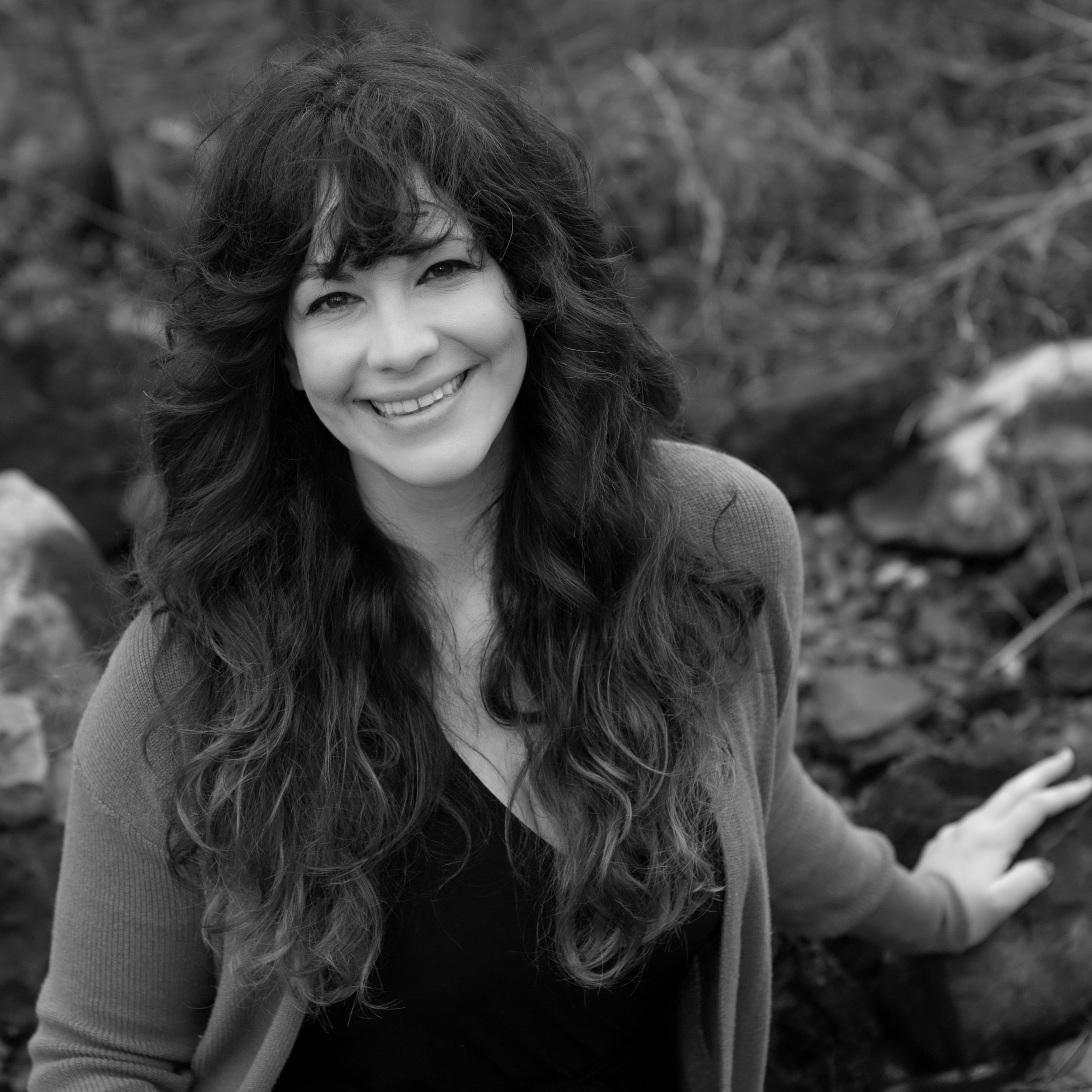
You Don’t Have to Tell the Truth: Omission, Fabulation and Fruitful Lies in Poetry with Asa Drake
Frequently, we’re told omission is the same as a lie, but there are many reasons why a poem may resist the explicit truth—a name, a place, an action. As poets, we have the choice to proliferate some silences and not others. We can choose to keep secrets through caesuras and change histories with palinodes. We’ll examine poems that ask for “whom do we write” and “what do we preserve by writing.” With inspiration from Donika Kelly, Aimee Nezhukumatathil, Natalie Diaz and Brigit Pegeen Kelly, we’ll try forms and techniques to give ourselves permission to alter, create and deceive. Together, we’ll explore the distance between fib and fable.
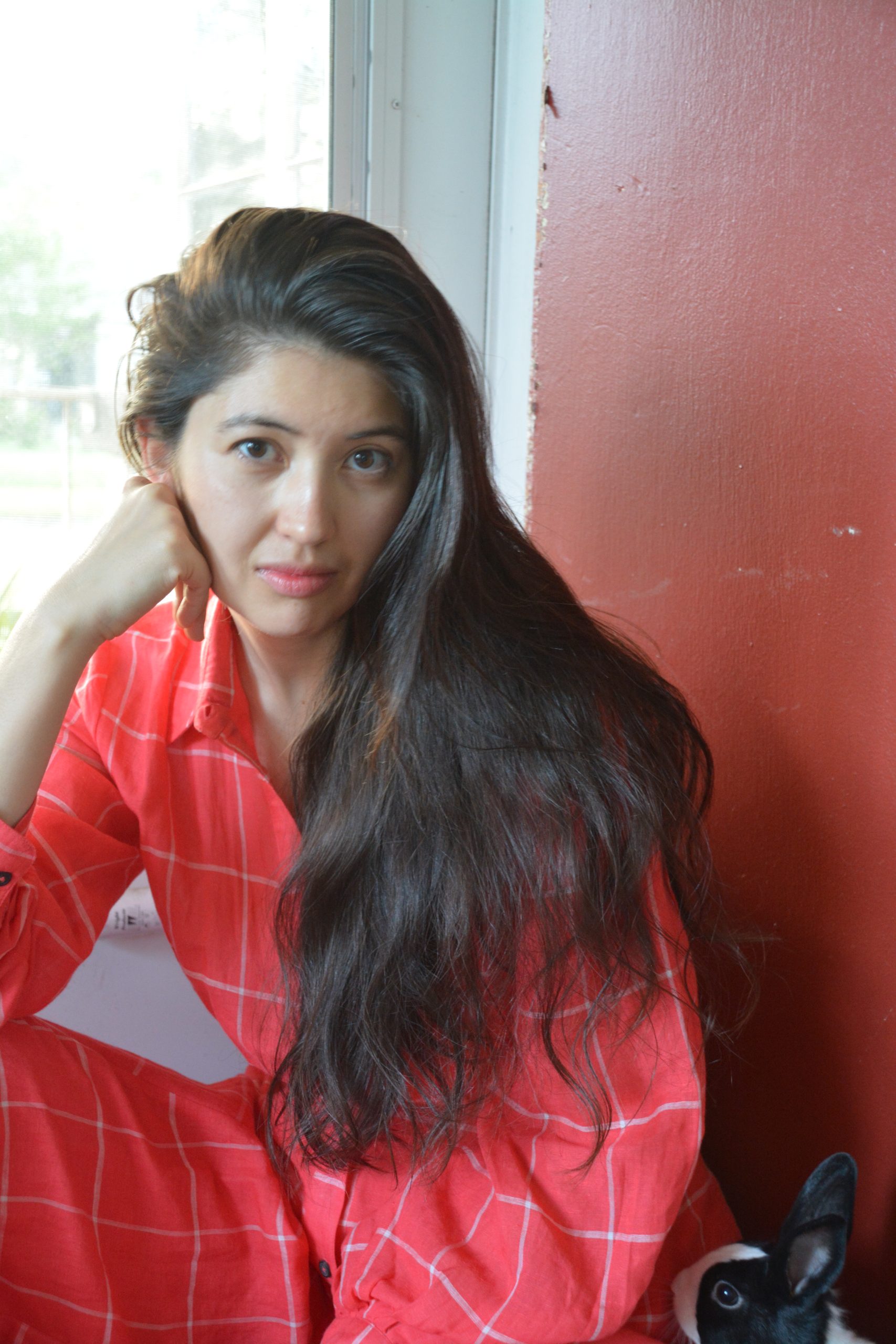
Translating Memory with Julia Grawemeyer
We each carry indelible stories that have grown from big turning points and smaller, unexpected situations and influences. Bulgarian writer Georgi Gosodinov, who was translated into 25 languages, is suspicious of his translators who never ask clarifying questions to the author. How can we investigate the text of our memories to ask questions that translate them into writing that moves? In this workshop, students will study literary techniques to write powerfully and concisely about formative moments that have shaped us in some way. Together we’ll wrestle with the moving, slippery nature of memory in writing.
This workshop applies the term translation figuratively. We won’t translate texts across languages, but students with experiences in other languages and other cultures are welcome!
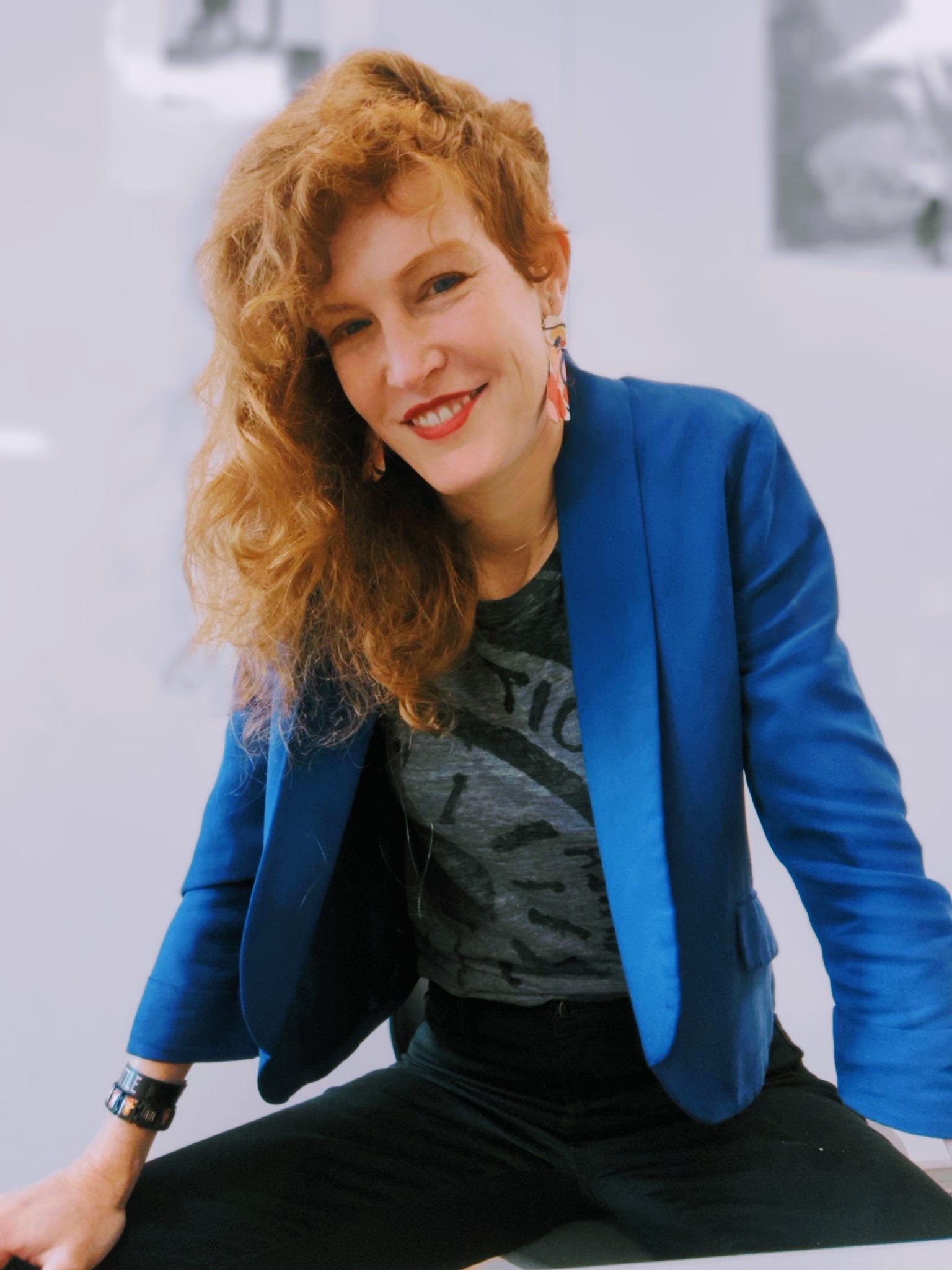
The Weird Turn Pro: Find Your Voice Through Play and Experimentation with Gyasi Hall
“Finding your voice” is about honing your intuition, fostering a generous perspective, and divesting from rigid structures. In this class, we will examine how style is crafted through unconventional prompts designed to get you out of our comfort zone. What happens if you write for an extended period without stopping? How do physical rituals effect your writing? How can we learn to see the mundane as something brimming with excitement, life, and poignancy? Together, we will try new techniques, ask questions, and interrogate assumptions about “good writing”, discovering what we find most exciting in our own work and get in touch with our unique artistic perspective. This workshop is generative, discussion-based, and multi-genre: we’ll engage with poetry, fiction, and non-fiction.
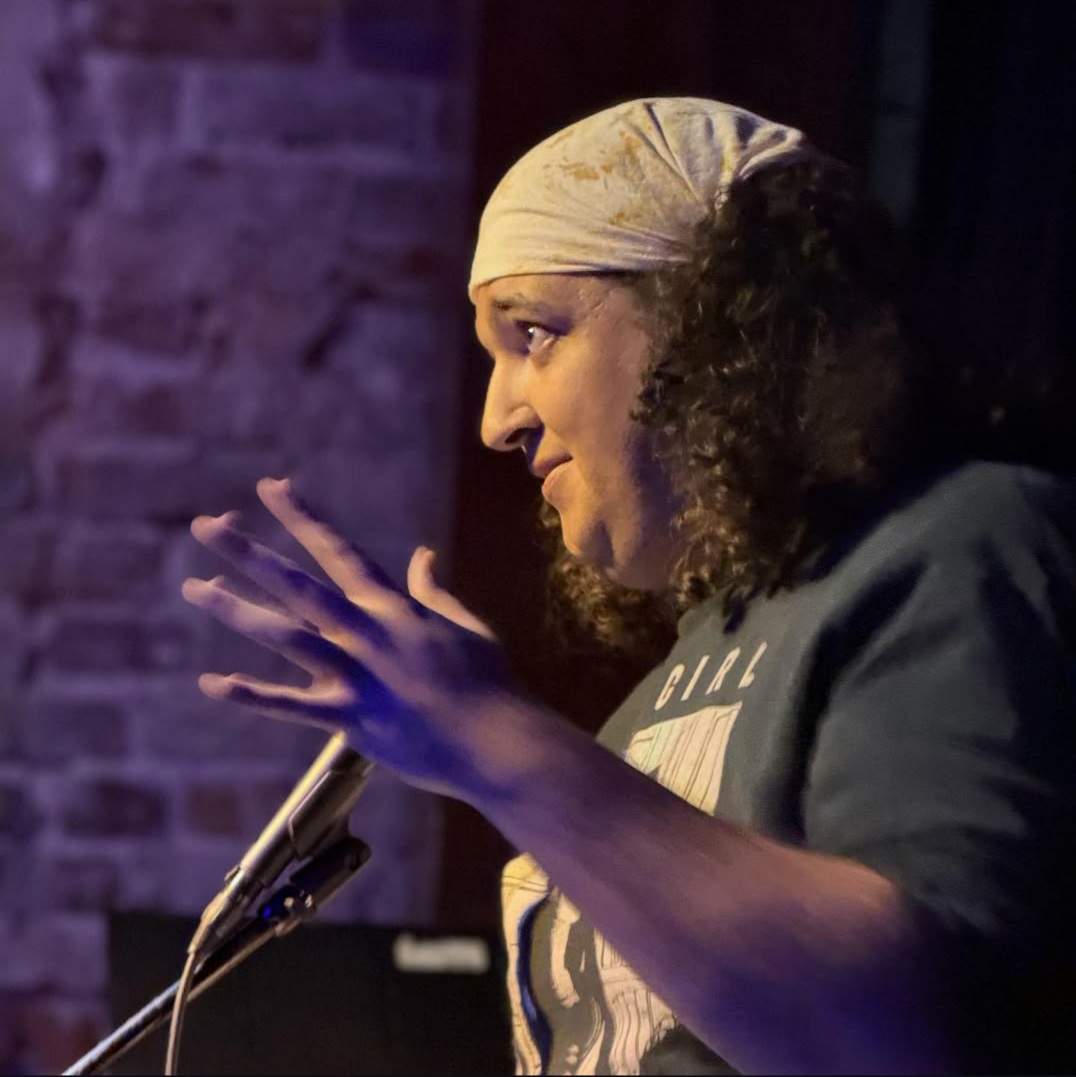
Lit Pop with Nino McQuown
This workshop is all about writing back to what you love. Pop music, rock songs, monster movies, roadside attractions, cartoons, toys, video games…we interact with them every day, think about them constantly, and find deep meaning and solace in them that can stay with us all our lives. Still, most of us wouldn’t write a sonnet on Naruto. Somehow only certain kinds of art seem good enough for literary forms like the lyric essay or, god forbid, poems. In this workshop, we’ll explore how to bring pop culture into our literary work: find deep meaning in GTA2 like Elissa Washuta, wax poetic on manga with poet Steven Levya, use police procedurals in our fiction like Carmen Maria Machado, and more.
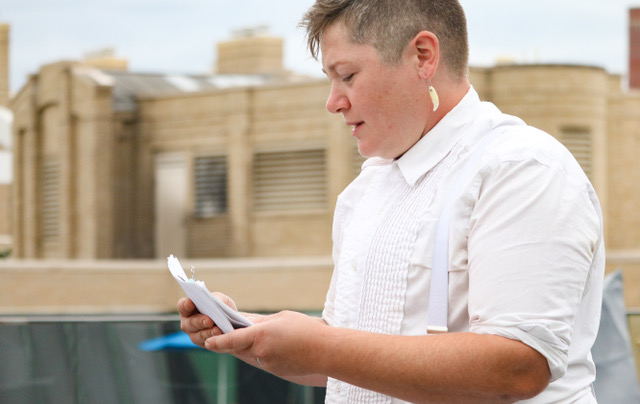
Raising Your Voice with Chukwuma Ndulue
This workshop will focus on honing your creative voice. We will talk about artistic choices, how the chords struck and unstruck impact our writing. We will learn to play in uncertainty, harnessing the power of the “perhaps” to strengthen and complicate our work. By the end of the workshop you will have a better understanding of yourself as a writer and will have a new set of tools to use in your projects.
While this workshop will have an anchor in poetry it will also include exercises from multiple disciplines including nonfiction, play writing, and song writing. Readings will be poems, excerpts from craft essays, famous first drafts, and other texts.
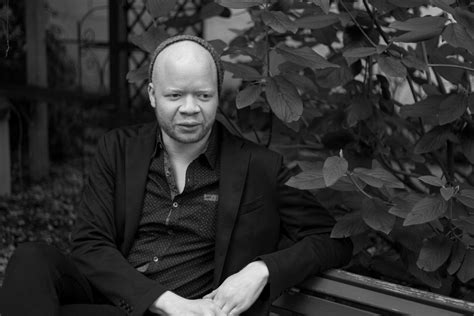
The Magic of Many Things: Hybrid and Experimental Writing with K.E. Ogden
Writers in this workshop will defy shapes, break containers, twist traditional forms, and redefine known genres as we put pen to paper in pursuit of our authentic voices We will whisper back to writers like Gloria Anzaldua who asks “Why am I compelled to write?” We will create unique work driven by observations, reflections, and experiences that only we can tell. We’ll use the notebook as our vehicle for exploring multigenre experimental structures like the Hermit Crab essay, self-portraits and manifestos. We’ll define new genres in a style all our own. Throughout the course we’ll compile a textbook of prompts and exercises to fuel and inspire more writing in the new year.

Writing Our Surreal Reality with Mathias Svalina
This is a weird place, our reality. And trying to get the real world onto the page can make it even weirder. This workshop explores ways to merge surrealist or fabulist writing techniques with realist goals. It seeks to develop imaginative skills & interrogate what makes ink on paper or pixels on a screen feel more or less “realistic.” We will write about our daily lives, our homes, our communities, our emotions, all with surrealist approaches. We’ll read & discuss poetry & prose that employ surrealism & fabulism, & write from prompts & guided writings. We’ll share our writings & discuss our responses, learning from each other’s gestures & efforts. This workshop is open to any genre.

Evening Workshops (7:00-9:30 p.m. EST)
Ghost Stories with Hal Dietrich
Winter brings an atmosphere of cold and decay… and also the desire to gather together, keep warm, and tell stories. Winter ghost stories have an enduring appeal, from morality tales like “A Christmas Carol” to modern classic horror stories like “The Shining.” In this workshop, we will be writing our own ghost stories, drawing from Gothic traditions and our own fears and experiences. We will be designing our own haunted spaces and the undead entities which inhabit them. Do they come with a warning, or are they driven by the compulsion to finish what they started in life? Students will workshop their own short stories with an instructor and with peers in the class.

Imaginary Gardens, Digital Toads, and Marketing for Un-Markets with Geramee Hensley
In this generative workshop, writers will expand their understanding of the poem’s canvas. We will read concrete poems, examine visual pieces, watch slam and videos, and engage work that has unconventional legibility. To generate raw material for experiments, we will use prompts to deepen our understanding of persona, sound, and poetic figuring. Using these drafts, each writer will make a poem incorporating their new understanding of what makes a poem possible. Writers will share their writing and support each other in making these wild, unruly creations. Lastly, through open discussion, writers will receive practical guidance about marketing themselves on social media. In the spirit of digital forms, we will consider how we present our work and what that means.
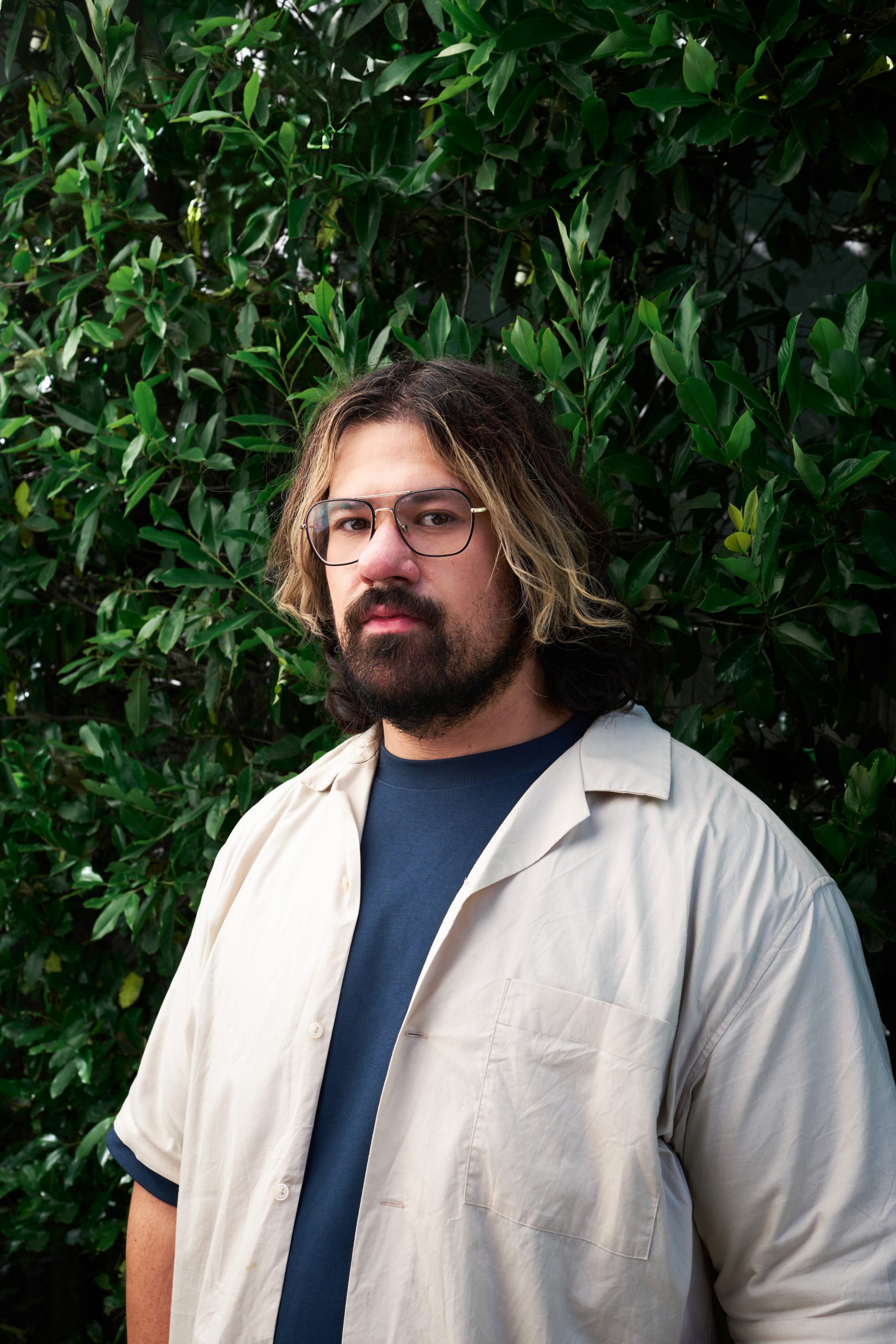
You Must Change Your Life: An Exploration of Ekphrastic Poetry with Matthew Kelsey
While it’s most common for ekphrastic poetry to describe works of visual art, such as painting or sculpture, this workshop will feature a vast array of poems that address music, television, film, newspapers, and comics, as well.
We’ll view art by Georgia O’Keeffe and Caravaggio, listen to music by Benjamin Britten and Irving Berlin, and read poems by Victoria Chang, Richie Hofmann, Terrance Hayes, Rochelle Hurt, and others.
We’ll apply what we learned to our own art, so we can create our own establishing shot in a poem, set our lines to a beautiful score, and, ultimately, sculpt for ourselves a dynamic artist’s life. Students will be invited to share their music and visual art, as well.

Fragile Borders, Unruly Tongues: Multilingual Writing in the Borderlands with Nathan Osorio
In this workshop, we will write, translate, and play in the space in-between two or more languages and/or identities. We will imagine language as a porous borderland where we can cross and be crossed through the various languages that we both control and that haunt us. Creating alongside artists from various genres including Natalie Diaz, and Sawako Nakayasu, we will explore multilingual writing as the exercise of an identity, a way of being, and a permeable fringe where we can generate forms of expression that resonate as being true to the experiences of multilingual people. Fluency in another language is not required, only the willingness to experiment and to trouble the line that distinguishes one linguistic world from another.
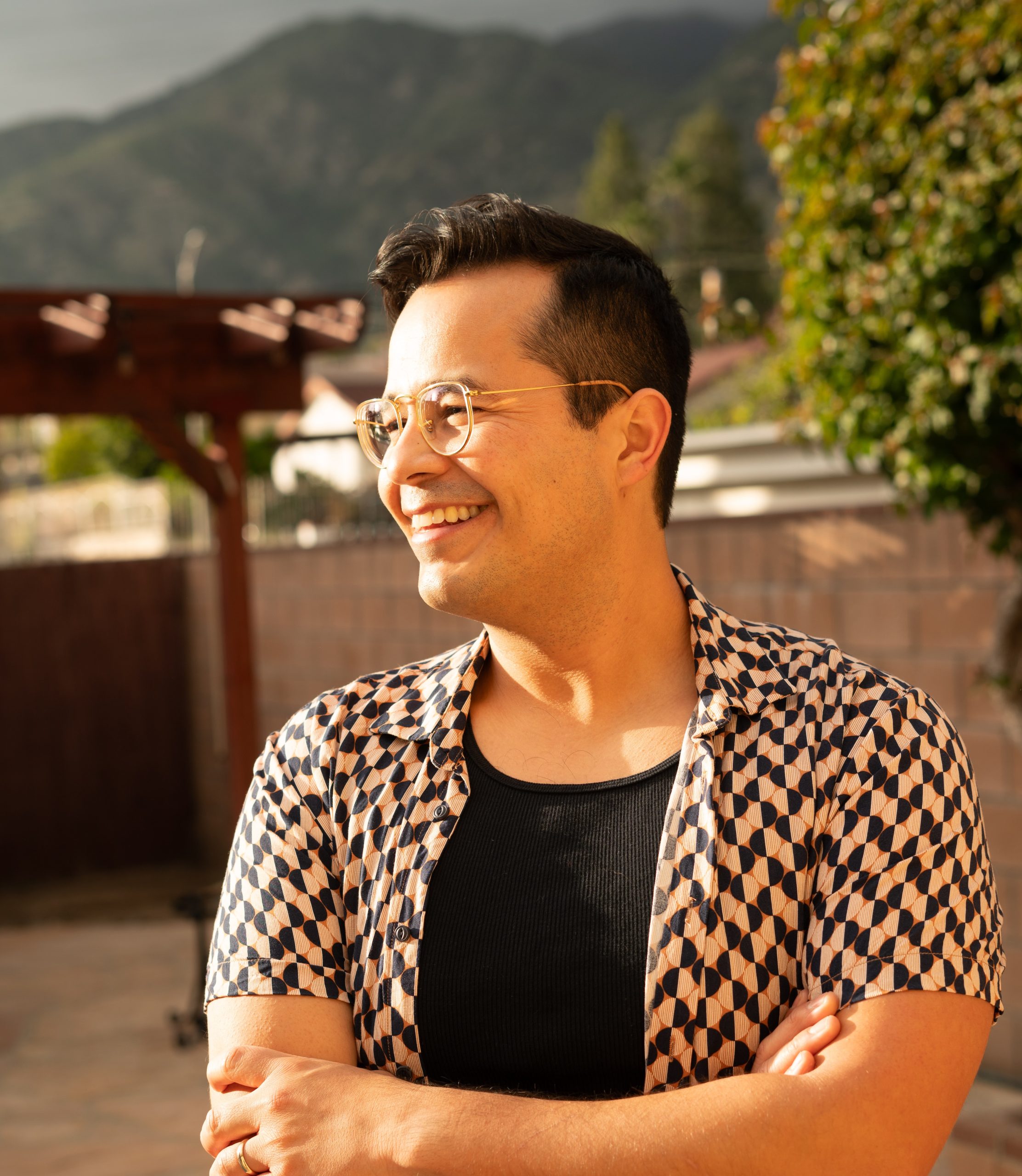
Wild, Weird, Wondrous and Strange: Writing Fabulous Fiction for Surreal Times with Jamie Lyn Smith
In this workshop, we’ll explore fiction forms and craft strategies to create stories that leap off the page. From metamorphosis to metanarrative, tall tales to transformation, we’ll remanufacture myths, destabilize personified nature and reorder fables. We’ll create new legends, satirize and sanctify pop culture and employ fabulism in our writing. We’ll read prose and poetry readings from Amina Kayani, Maria Zoccola, Major Jackson, Ruth Awad, Corinne Cordaso-Pak, Mario Alberto Zambrano, and other recently published KR pieces for inspiration. This is technically a fiction class, but writers of all genres are invited to register. Participants are encouraged to write magical, strange, and innovative work across genres. Let your imagination lead you to the wild and wondrous corners of your creative mind!
FAQs
Am I eligible to apply?
You are eligible to apply if you are currently a high school sophomore, junior, or senior and/or will be between the ages of 16-18 years old at the time of the program.
International students are welcome to apply, as are students who have participated in Young Writers in the past.
Young Writers participants are a diverse group, representing a wide range of academic and personal interests. You should apply for the Young Writers program if you like to work with other people, are open to experimenting with new approaches, are willing to be playful and take some risks as a learner, and are interested in the process of learning.
How do I apply?
A complete application consists of the following:
- The online application form
- A 300-word statement, essay, story, or poem that illustrates why and/or how writing has been meaningful in your life (you may be as straightforward or creative with this prompt as you like).
- A high-school transcript, to be uploaded with the application form (we accept official and unofficial transcripts)
- Financial aid information (if you will be applying for need-based financial aid)
How much does the program cost? Is financial aid available?
The total cost of the Winter Online Workshop is $695, which covers program tuition and all program activities. Full tuition payment is due January 12. If you submit tuition but cancel your enrollment on or before January 14, the Kenyon Review will keep a $250 cancellation fee. There will be no refunds after January 14.
We offer need-based financial aid for families who cannot afford the costs of the program. Financial aid decisions are made on a case-by-case basis. Financial aid decisions are made in conjunction with admissions decisions; however, acceptance decisions are not affected by aid requests.
In order to apply for need-based financial aid, please fill out the “Financial Aid” section of the online application form.
How are applicants chosen for the program? How will I know if I am accepted?
The selection committee pays particular attention to the 300-word statement. We are looking for students who show promise and passion for writing. We strive to admit a diverse group of students with a wide range of academic and personal interests.
Admissions decisions will be announced via email in early January. Be sure to add submittable.com to your address book and/or check your spam folders for email confirmations and notifications that we may send via Submittable.
Young Writers Online is a selective program. To keep class sizes small, we are not able to admit all applicants and must turn away many talented writers each year. If you are not accepted to the Winter Online Workshop, we encourage you to apply for a summer workshop or reapply next year if you are interested and eligible.
Due to the number of applications we receive each year, we cannot comment on individual applications or offer feedback on application essays.
If I am accepted into the program, how do I enroll? What is your cancellation policy if I enroll but cannot attend?
If you are accepted into the program, you must submit the enrollment form and full tuition payment by January 12 to secure your place in the workshop you have been assigned. If you enroll in a workshop but are no longer able to attend, please let us know as soon as possible. If you submit tuition but cancel your enrollment by January 14, the Kenyon Review will keep a $250 cancellation fee. There will be no refunds after January 14.
How are workshops structured?
Groups of 12-14 students meet online with an instructor for a two-and-a-half hour workshop once a week for six weeks. Workshop time is spent freewriting, responding to writing prompts and assignments, discussing assigned readings, and sharing and discussing one another’s work.
Everyone in the workshop, including instructors, writes and shares work every day. The workshop is ungraded and student work is not evaluated in any formal sense. Instead, instructors emphasize techniques for responding to work in ways that will help the writers recognize their strengths, potential, and avenues for productive revision. Instructors also meet with each student in individual conferences toward the end of the six-week program.
Will Young Writers Workshops also be offered in the summer of 2026?
Yes. Please visit the Young Writers home page for dates and details about the Young Writers Summer Residential Workshop and Young Writers Summer Online Workshop.


