Read the winning piece of our 2025 Nonfiction Contest “Through the Mirror” by Jessie Cato selected by Lucy Ives.

Read

Information

2026 Dates

Session One: June 7–13, 2026

Session Two: July 5–11, 2026

Tuition

$2,545

Scholarships Available

Application Information

Applications for Summer 2026 have closed.

Questions? Concerns?

Please feel free to contact us at 740-427-5522 or email writersworkshops@kenyonreview.org.

Overview

Join us for our week-long, residential writing workshops in fiction, nonfiction, and poetry with acclaimed faculty in beautiful Gambier, Ohio. Unlike other writing workshops, the Kenyon Review Writing Workshops are generative, focused on giving writers time and space to produce new work. Since 1995, these workshops have provided thousands of writers with a nurturing space to take creative risks and push their writing to the next level. The low student-teacher ratio and supportive, rigorous, and immersive writing community have proved so popular that many students return again and again.

Session One Instructors

Creative Nonfiction
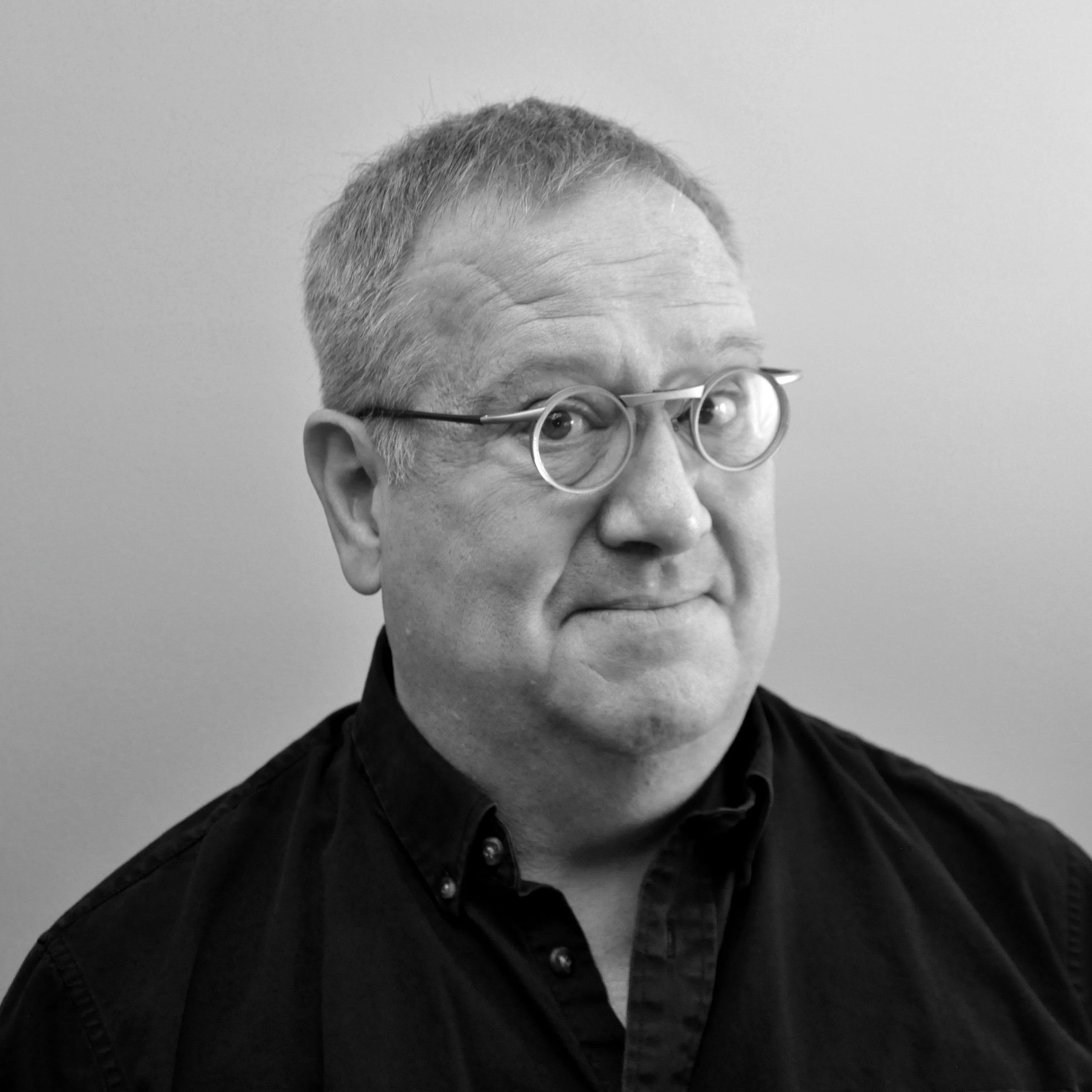
Dinty W. Moore is author of the memoirs To Hell With It and Between Panic & Desire, winner of the Grub Street Nonfiction Book Prize, and the writing guide Crafting the Personal Essay. He is also editor of The Rose Metal Press Field Guide to Writing Flash Nonfiction, among many other booksHe has published essays and stories in The Georgia Review, Harper’s, The New York Times Magazine, The Southern ReviewThe Kenyon Review, Short Reads, and elsewhere. He is founding editor of Brevity, the journal of flash nonfiction, and is deathly afraid of polar bears.

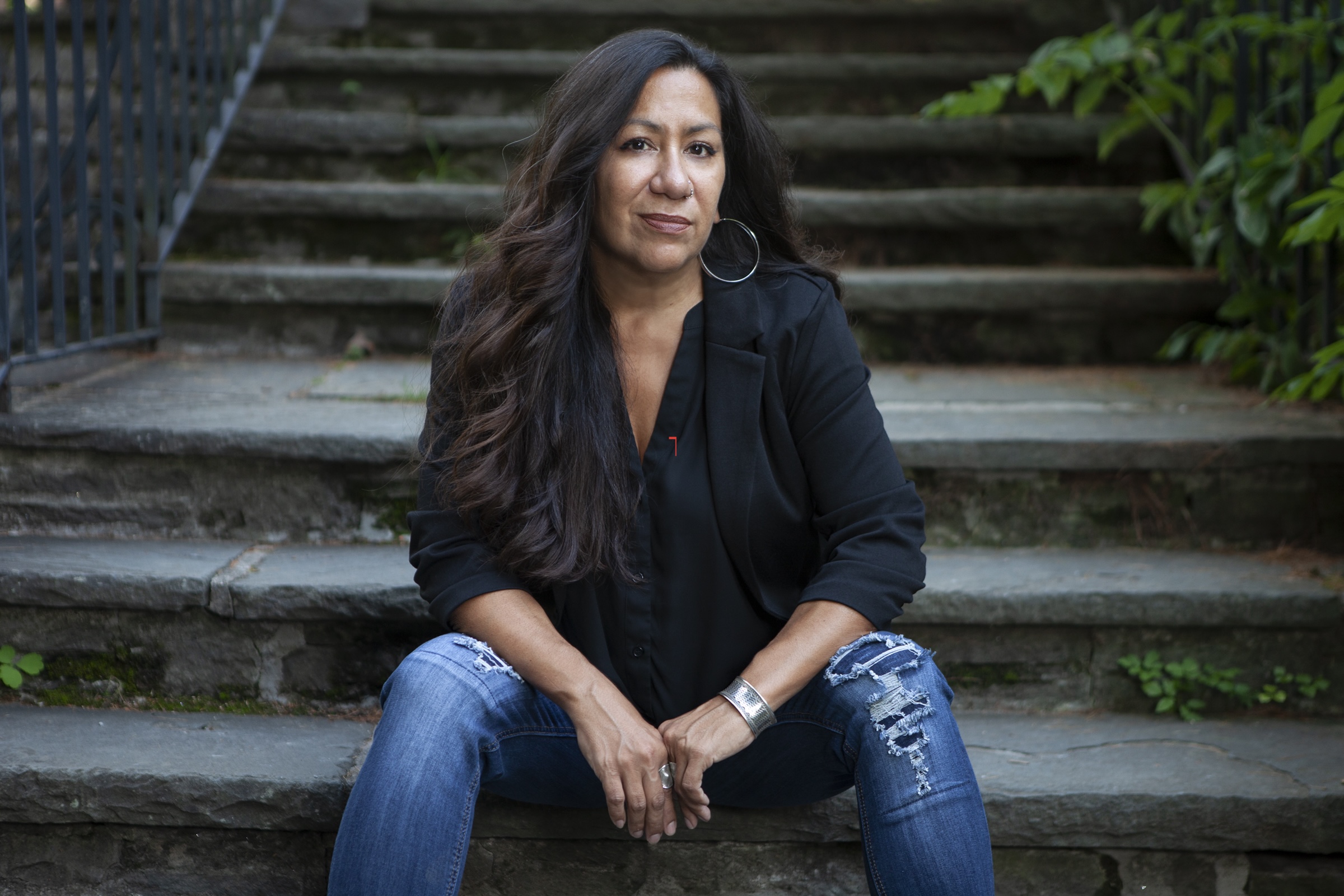
Angelique Stevens teaches creative writing, literature of genocide, and race literatures at a community college in Upstate New York. Her nonfiction has been published in Best American Essays in both 2022 and 2023, GrantaLitHubThe New England Review, and others. She holds an MFA in Creative Nonfiction from Bennington College and an MA from SUNY Brockport in Literature. She has received fellowships from MacDowell, Hedgebrook, Bread Loaf, Tin House, The Kenyon Review, Sewanee, and the Periplus Mentorship Collective (where she is now a mentor), and a teaching fellowship to the Lighthouse Book Project (where she now teaches writing classes). She is working on a collection of essays about poverty and the myth of the American Dream due out from Simon & Schuster. 

Fiction

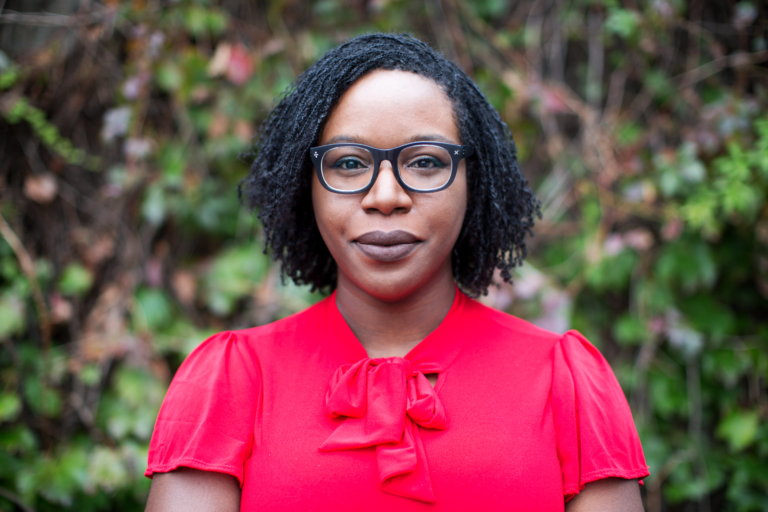
Lesley Nneka Arimah was born in the UK and grew up in Nigeria and wherever else her father was stationed for work. Her stories have been honored with a National Magazine Award, a Commonwealth Short Story Prize, the Caine Prize and an O. Henry Award. Her work has appeared in The New Yorker, Harper’s, McSweeney’s, and GRANTA and has received support from The Elizabeth George Foundation, United States Artists and MacDowell. She was selected for the National Book Foundation’s 5 Under 35 and her debut collection WHAT IT MEANS WHEN A MAN FALLS FROM THE SKY won the 2017 Kirkus Prize and the 2018 New York Public Library Young Lions Fiction Award and was selected for the New York Times/PBS book club among other honors. She lives in Minneapolis and is working on a novel about you.

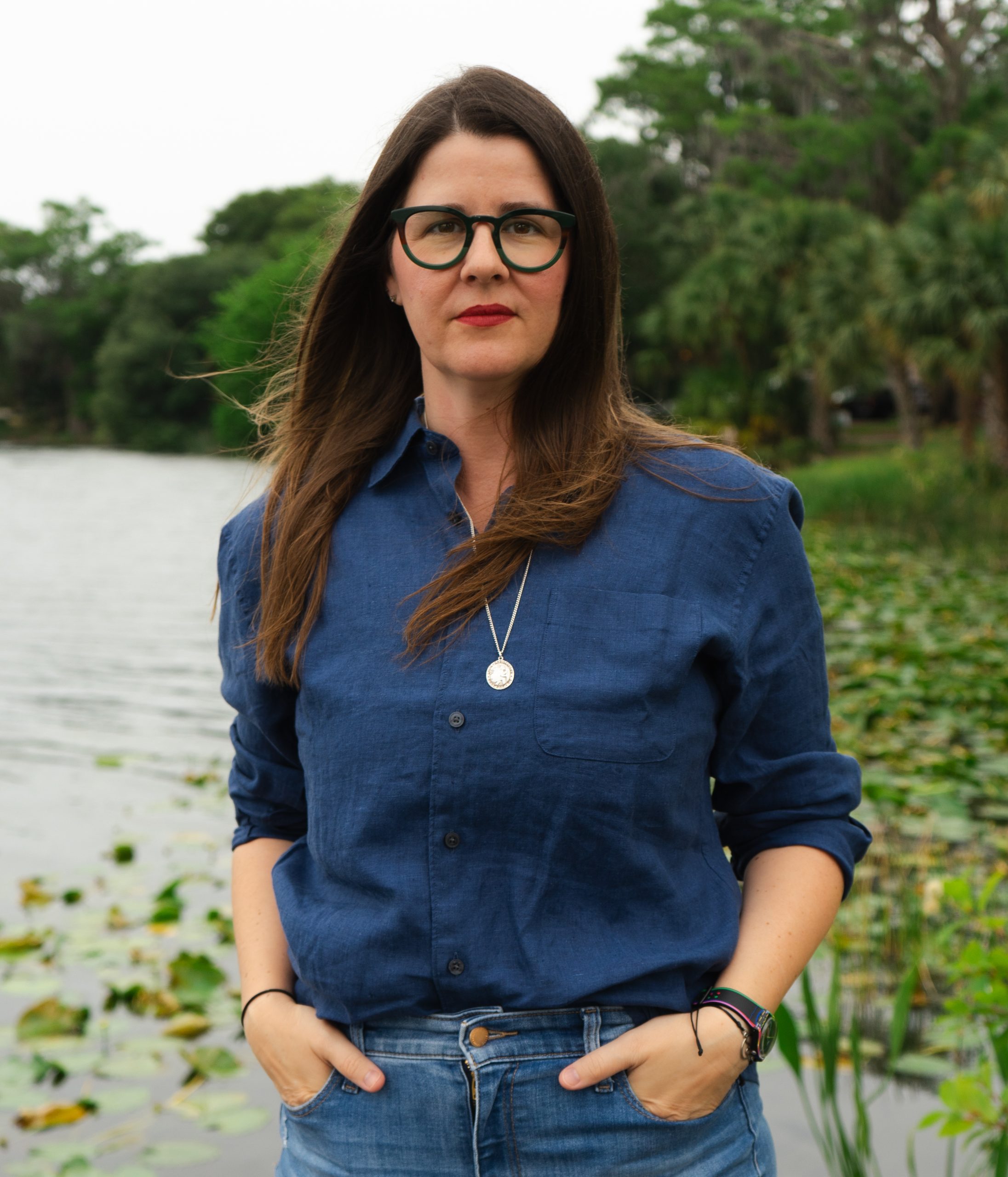
Kristen Arnett is the queer Floridian author of the novels STOP ME IF YOU’VE HEARD THIS ONE (Riverhead Books, 2025), which was shortlisted for the Comedy Women in Print Prize, With Teeth (Riverhead Books, 2021), which was a finalist for the Lambda Literary Award in fiction, and the New York Times bestselling debut Mostly Dead Things (Tin House, 2019), which was also a finalist for the Lambda Literary Award in fiction and was shortlisted for the VCU Cabell First Novelist Award. She was awarded a Shearing Fellowship at Black Mountain Institute, has held residencies at Ragdale Foundation, Vermont Studio Center, the Millay Colony, and the Studios of Key West, and was longlisted for the Joyce Carol Oates Prize. She runs the substack “Dad Lessons.” Her work has appeared in The New York Times, TIME, Vogue, The Cut, Oprah Magazine, PBS Newshour, The Guardian, Salon, The Washington Post, and elsewhere. Her upcoming short fiction collection, Party at the End of the World, will be published by Riverhead Books. She has a Masters in Library and Information Science from Florida State University and lives in Orlando, Florida.

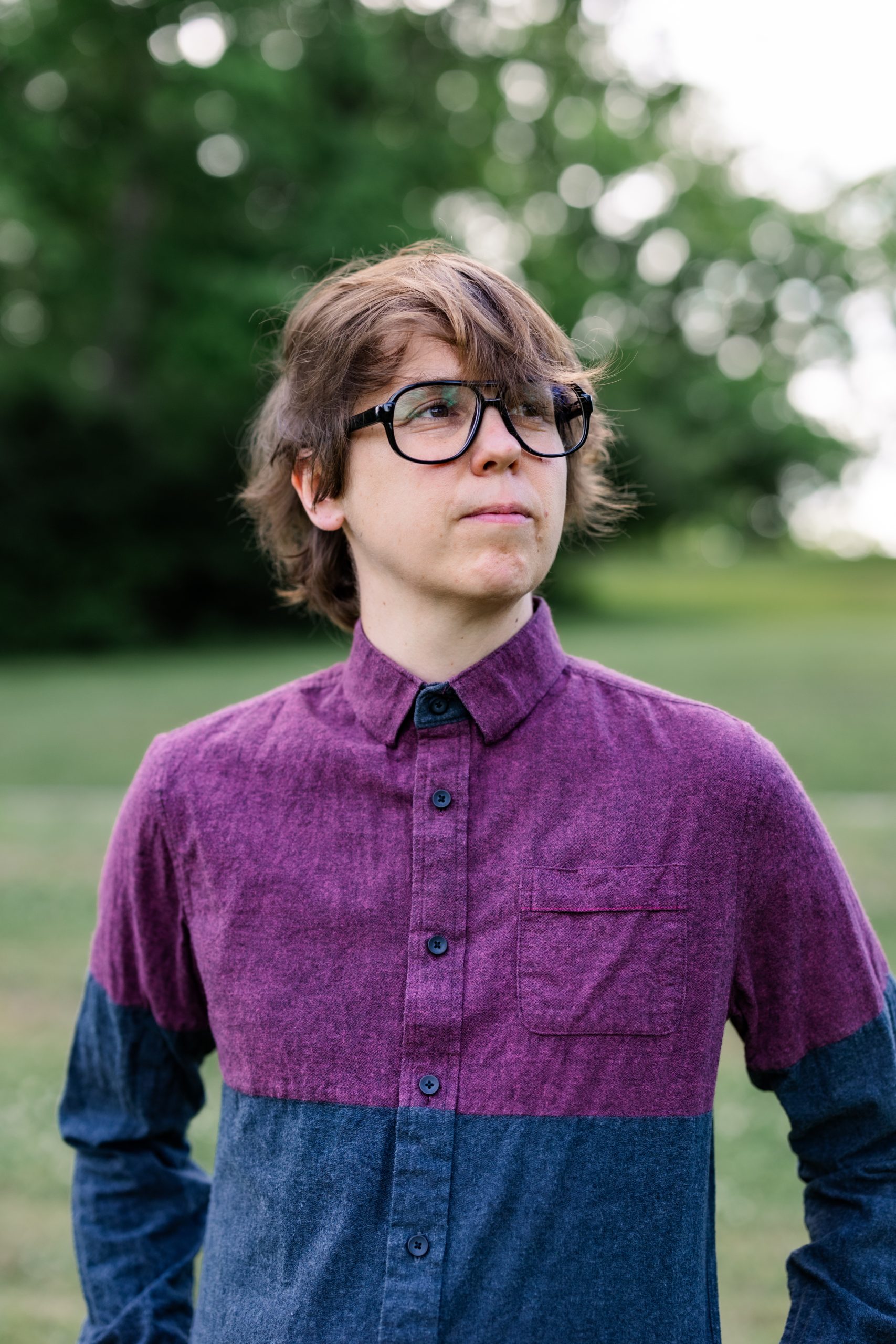
Lydi Conklin has received a Stegner Fellowship, four Pushcart Prizes, a Rona Jaffe Foundation Writers’ Award, a Creative Writing Fulbright in Poland, a grant from the Elizabeth George Foundation, and fellowships from MacDowell, Yaddo, Bread Loaf, Sewanee, Emory, Hedgebrook, Djerassi, Headlands, Loghaven, Lighthouse Works, and elsewhere. Their fiction has appeared in The Paris Review, One Story, McSweeney’s, American Short Fiction, and VQR. They have drawn cartoons for The New Yorker and Narrative Magazine, and graphic fiction for The Believer, Lenny Letter, and the Steppenwolf Theater in Chicago. They’ve served as the Helen Zell Visiting Professor at the University of Michigan and are now an Assistant Professor of Fiction at Vanderbilt University. Their story collection, Rainbow Rainbow, was longlisted for the PEN/Robert W. Bingham Award and The Story Prize. Their novel, Songs of No Provenance, was longlisted for the Center for Fiction First Novel Prize.

Joseph Earl Thomas is the author of Sink, a memoir (Grand Central Publishing, 2023), longlisted for the PEN/Jean Stein Book Award, and shortlisted for the Patrick Saroyan International Writing Prize; the novel God Bless You, Otis Spunkmeyer (Grand Central Publishing, 2024), longlisted for the Carnegie Medal for Literary Excellence, finalist for the LA Times Art Seidenbaum Award, winner of the Center for Fiction First Novel Prize; and the forthcoming story collection Leviathan Beach (Penguin Random House, 2027). His prose and poetry has been published or is forthcoming in The Kenyon Review, The Paris ReviewThe VergeHarper’sVirginia Quarterly ReviewVanity Fair, The Yale ReviewThe Massachusetts Review, and Dilettante Army. His honors include the 2020 Chautauqua Janus Prize, The Anisfield-Wolf Fellowship in Writing and Publishing, and fellowships from Kimbilio, VONA, Tin House and Bread Loaf. A graduate of the University of Notre Dame’s MFA program in prose, he earned his PhD in English from The University of Pennsylvania. He is a member of the writing faculty at Sarah Lawrence College as well as low residency MFA programs at Holy Family and Randolph Colleges, and teaches courses in Black Studies, Poetics, Video Games, Queer Theory and more at The Brooklyn Institute for Social Research.

Poetry

Photo of Anthony Cody

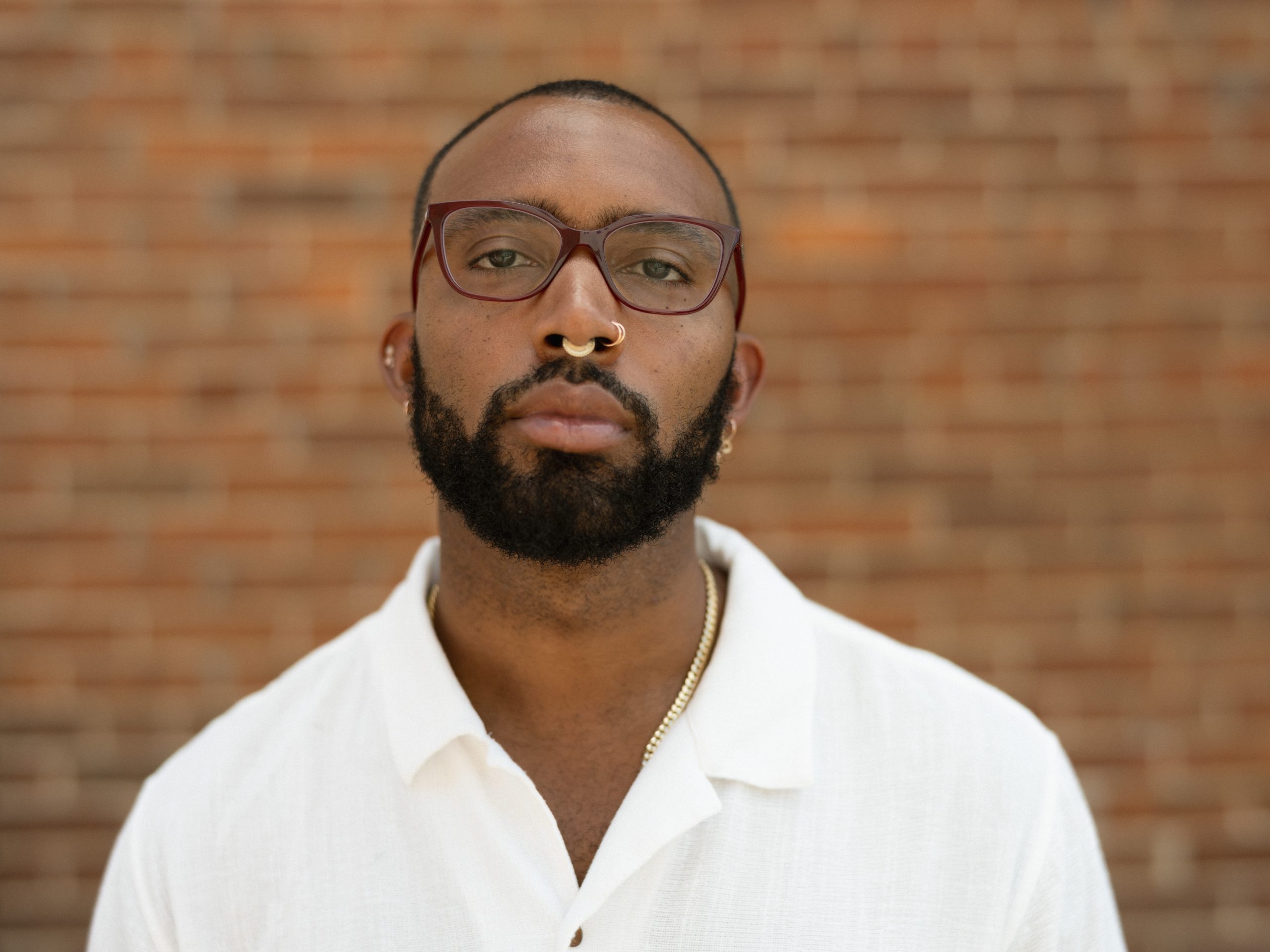
Anthony Cody is the author of The Rendering (Omnidawn, 2023) and Borderland Apocrypha (Omnidawn, 2020), winner of the 2018 Omnidawn Open Book Prize, selected by Mei-mei Berssenbrugge. For his work, he has been awarded a 2022 Whiting Award, a 2021 American Book Award, and a 2020 Southwest Book Award, as well as named a finalist for a 2020 National Book Award, a 2021 PEN America/Jean Stein Award, a 2021 L.A. Times Book Award, and a 2021 California Book Award. Anthony was a 2020 Poets & Writers debut poet. 

He is a CantoMundo fellow from Fresno, California, with lineage in the Bracero Program and Dust Bowl. His work has appeared in The Academy of American Poets: Poem-A-Day Series, Gulf Coast, and Ninth Letter, among others. Anthony co-edited How Do I Begin?: A Hmong American Literary Anthology (Heyday, 2011), as well as co-edited and co-translated Juan Felipe Herrera’s Akrílica (Noemi Press, 2022). He is co-publisher of Noemi Press, and most recently was visiting professor of poetry at the Iowa Writers’ Workshop. Anthony lives with his partner, the poet Mai Der Vang, and their son. He is currently faculty in poetry at Randolph College’s Low Residency MFA Program.

Major Jackson is the author of six books of poetry, including Razzle Dazzle: New & Selected Poems (2023), The Absurd Man (2020), Roll Deep (2015), Holding Company (2010), Hoops (2006) and Leaving Saturn (2002), which won the Cave Canem Poetry Prize for a first book of poems. His edited volumes include: Best American Poetry 2019Renga for Obama, and Library of America’s Countee Cullen: Collected Poems. He is also the author of A Beat Beyond: The Selected Prose of Major Jackson edited by Amor Kohli. A recipient of fellowships from the Academy of American Poets, Fine Arts Work Center in Provincetown, John S. Guggenheim Foundation, National Endowment for the Arts, and the Radcliffe Institute for Advanced Study at Harvard University, Major Jackson has been awarded a Pushcart Prize and a Whiting Writers’ Award, and has been honored by the Pew Fellowship in the Arts and the Witter Bynner Foundation in conjunction with the Library of Congress. He has published poems and essays in American Poetry Review, The New Yorker, Orion Magazine, Paris Review, Ploughshares, Poetry, Poetry London, and World Literature Today. Major Jackson lives in Nashville, Tennessee, where he is the Gertrude Conaway Vanderbilt Chair in the Humanities at Vanderbilt University. He is an elected member of the American Academy of Arts and Sciences and serves as the Poetry Editor of The Harvard Review.

Yalie Saweda Kamara is a Sierra Leonean-American writer, researcher, and educator from Oakland, CA. She is the Cincinnati and Mercantile Library Poet Laureate Emerita and the 2025 Ohio Poet of the Year. Kamara’s debut poetry collection, Besaydoo (Milkweed Editions, 2024), was the winner of the 2022-2023 Jake Adam York Prize and is the winner of the 2025 Ohio Book Award in Poetry. She is also the editor of the anthology What You Need to Know About Me: Young Writers on Their Experience of Immigration (The Hawkins Project, 2022). Among her honors, Kamara has received fellowships from the Academy of American Poets and the National Book Critics Circle as well as residencies from the Sewanee Writers Conference, the Vermont Studio Center, Djerassi, and Smith College. Kamara earned a PhD in Creative Writing and English Literature from the University of Cincinnati and an MFA in Creative Writing from Indiana University. An assistant professor of English at Xavier University, she teaches courses in global and diasporic literature, creative writing, and hip-hop studies. For more, please visit her website: www.yaylala.com

Felicia Zamora is the author of eight books of poetry including Murmuration Archives (Akrilica Series, Noemi Press, 2026); Interstitial Archaeology (Wisconsin Poetry Series, 2025); I Always Carry My Bones (2021), winner of the 2020 Iowa Poetry Prize and the 2022 Ohioana Book Award in Poetry; Body of Render (Benjamin Saltman Award winner, 2020); and Of Form & Gather, Andrés Montoya Poetry Prize winner (2017). She’s won the Loraine Williams Poetry Prize, C.P. Cavafy Prize, Wabash Prize, Tomaž Šalamun Prize, and two Ohio Arts Council Individual Excellence Awards (2024 & 2022). She has been supported by a Tin House Next Book Residency, Yaddo Residency, Ragdale Fellowship, and CantoMundo Fellowship. Her writing appears in Academy of American Poets’ Poem-A-Day, Alaska Quarterly Review, The American Poetry Review, Best American Poetry 2022, Boston Review, Brevity, Ecotone, The Georgia Review, Gulf Coast, The Iowa Review, The Kenyon Review, Lit Hub, The Missouri ReviewOrion, Ploughshares, Poetry Magazine, The Nation, and others. She is a poetry editor for Colorado Review, a contributing editor for West Branch, and an associate professor of poetry at the University of Cincinnati, where she is a 2025-2026 Taft Research Center Fellow. 

Session Two Instructors

Creative Nonfiction
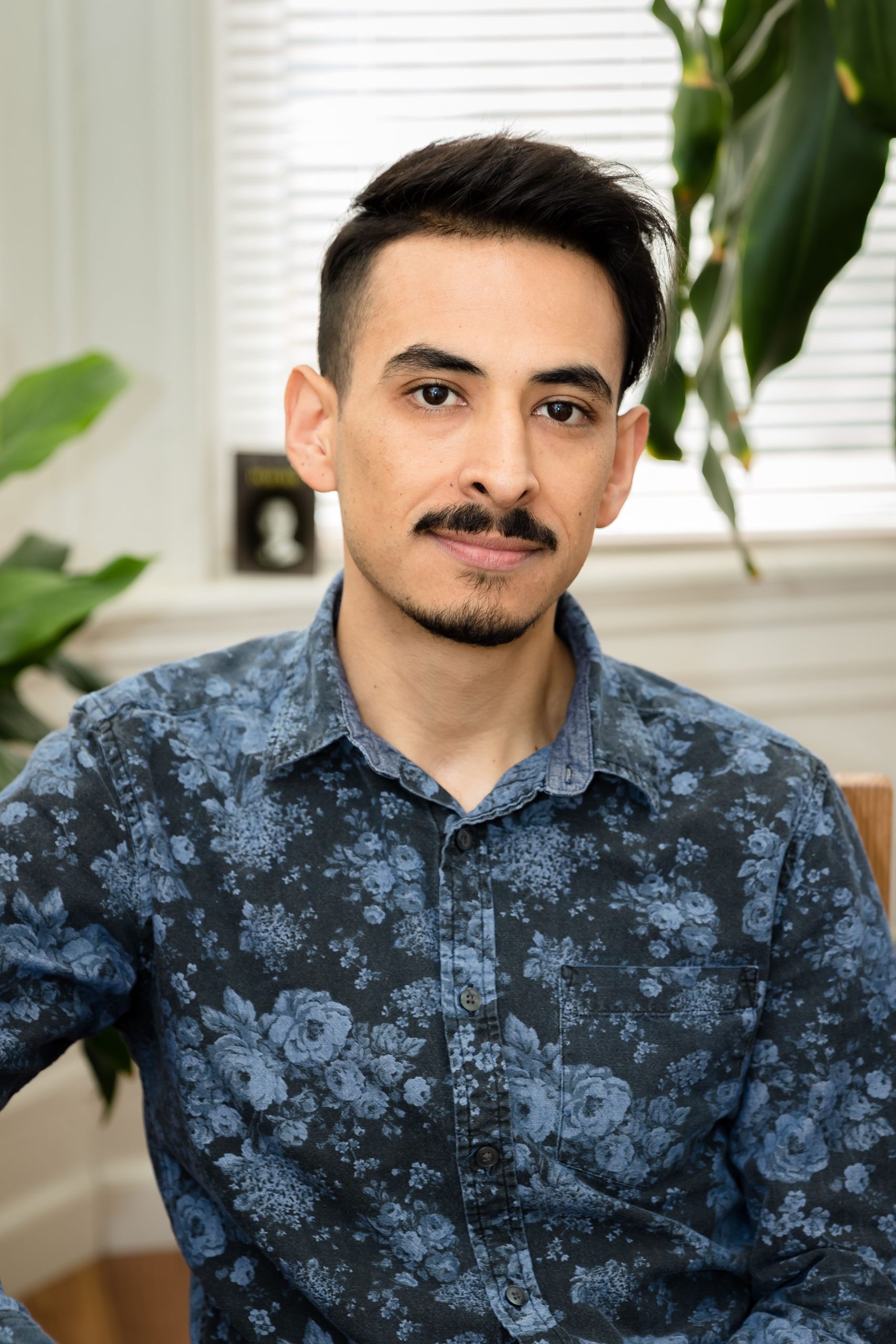
Marcelo Hernandez Castillo is the author of Children of the Land: a Memoir (Harper Collins); Cenzontle (BOA Editions), winner of the A. Poulin, Jr. prize; Dulce (Northwestern University Press), winner of the Drinking Gourd Prize; and, most recently, he is the co-editor of the anthology Here to Stay: Poetry and Prose from the Undocumented  Diaspora (Harper Perennial). He is the 2025 guest editor of the Michigan Quarterly Review and has also curated the Academy of American Poet’s Poem-A-Day Series. His work has been long listed for the California Book Award, the Foreword Indies Prize, and the Lambda Literary Award, among other recognitions. He was the first undocumented student to graduate from the Helen Zell Writers Program at the University of Michigan and co-founded the Undocupoets, which eliminated citizenship requirements from all major poetry book prizes in the U.S., and for which he was recognized with the Barnes and Noble Writers for Writers award. He served as distinguished fellow for the Marshall Project’s Art For Justice initiative from the University of Arizona which advocates for prison reform and is an inaugural recipient of the Writing Freedom Fellowship from Haymarket Books and the Mellon Foundation. He currently serves as faculty in the MFA program at St. Mary’s College of California and at Ashland University’s Low-Res MFA program.

Paisley Rekdal is the author of four books of nonfiction, and seven books of poetry, most recently, West: A Translation, which won the 2024 Kingsley Tufts Poetry Award, the Utah Book Award in Poetry, and the Mountains and Plains Booksellers Reading the West Poetry Award, and was longlisted for the National Book Award. Her work has received the Amy Lowell Poetry Traveling Fellowship, a Guggenheim Fellowship, an NEA Fellowship, the UNT Rilke Award, and various state arts council awards. The former Utah poet laureate, she teaches at the University of Utah where she directs the American West Center.

Fiction

Jamil Jan Kochai is the author of 99 Nights in Logar (Viking, 2019) and The Haunting of Hajji Hotak and Other Stories (Viking, 2022), which won the 2023 Aspen Words Literary Prize, the 2024 Clark Fiction Prize, and was a finalist for the 2022 National Book Award in Fiction. His short stories have appeared in The New Yorker, Ploughshares, Zoetrope, The Sewanee Review, VQR, and A Public Space, and they have been anthologized in The O. Henry Prize Stories, The Best American Short Stories, and A Century of Fiction in The New Yorker. He is an assistant professor of creative writing at Princeton University.

Idra Novey is a novelist, poet, and translator. Her most recent novel, Take What You Need, was one of The New York Times 100 Notable Books of 2023, a finalist for the Joyce Carol Oates Prize, longlisted for the Dublin Literary Award, and chosen as a Barnes & Noble Fiction Pick. Her first novel, Ways to Disappear, was a finalist for the L.A. Times First Fiction Prize and a winner of the 2016 Brooklyn Public Library Prize. Her new book of poems, Soon and Wholly, was selected as a 2024 Poetry Foundation Staff Pick and named one of Electric Literature’s Best Poetry Books of 2024. Her co-translation with Garth Greenwell of Spanish poet Luis Munoz will be published this May with Simon & Schuster.

Photo of Matthew Neill Null

A writer from West Virginia, Matthew Neill Null is author of Allegheny Front, Honey from the Lion, and the forthcoming novel Floodgate (Blair, May 2026). His fiction has been recognized by the O. Henry Award, the Pushcart Prize, the Mary McCarthy Prize, the Fine Arts Work Center Fellowship, and the Joseph Brodsky Rome Prize Fellowship in Literature by the American Academy of Arts & Letters, and his stories have appeared in Electric Literature, The Kenyon ReviewOxford American, American Short Fiction, and Ecotone, among other journals. His books have recently been translated into French and Italian. He is currently Associate Professor of Creative Writing at Susquehanna University and serves on the Writing Committee of the Fine Arts Work Center in Provincetown.

Maurice Carlos Ruffin’s most recent book is The American Daughters (One World, 2024), which Publishers Weekly, in a starred review, called “a vibrant picture of antebellum New Orleans.” He is also the author of the story collection The Ones Who Don’t Say They Love You (One World, 2021), which was a New York Times Editors’ Choice, a finalist for the Ernest J. Gaines Award for Literary Excellence, and longlisted for the Story Prize. His first book, We Cast a Shadow (One World, 2019), was a finalist for the PEN/Faulkner Award, the Dayton Literary Peace Prize, and the PEN America Open Book Prize. It was a New York Times Editors’ Choice and was longlisted for the 2021 DUBLIN Literary Award, the Center for Fiction Prize, and the Aspen Words Literary Prize. Ruffin is the winner of several literary prizes, including the Iowa Review Award in fiction and the William Faulkner–William Wisdom Creative Writing Competition Award for Novel-in-Progress. His work has appeared in the New York Times, the LA Times, the Oxford AmericanGarden & GunThe Kenyon Review, and Four Hundred Souls: A Community History of African America. A New Orleans native, Ruffin is a professor of Creative Writing at Louisiana State University.

Poetry

Leila Chatti was born in 1990 in Oakland, California. A Tunisian-American dual citizen, she has lived in the United States, Tunisia, and Southern France. She is the author of the debut full-length collection Deluge (Copper Canyon Press, 2020), winner of the 2021 Levis Reading Prize and the 2021 Luschei Prize for African Poetry, and longlisted for the 2021 PEN Open Book Award, and the chapbooks Figment (Bull City Press, 2022), The Mothers (Slapering Hol Press, 2022), Ebb (New-Generation African Poets, 2018), and Tunsiya/Amrikiya, the 2017 Editors’ Selection from Bull City Press. Her second full-length collection, Wildness Before Something Sublime, is forthcoming from Copper Canyon Press in Fall 2025. She holds a B.A. from the Residential College in the Arts and Humanities at Michigan State University and an M.F.A. from North Carolina State University, where she was awarded the Academy of American Poets Prize. She is the recipient of grants from the National Endowment for the Arts, the Barbara Deming Memorial Fund, and the Helene Wurlitzer Foundation of New Mexico, and fellowships and scholarships from the Fine Arts Work Center in Provincetown, the Wisconsin Institute for Creative Writing, the Tin House Writers’ Workshop, the Kenyon Review Writers Workshop, the Sewanee Writers’ Conference, The Frost Place Conference on Poetry, the Key West Literary Seminars, Dickinson House, and Cleveland State University, where she was the inaugural Anisfield-Wolf Fellow in Writing and Publishing. Most recently, she was the Grace Hazard Conkling Writer-in-Residence at Smith College. Her poems have received prizes from the Pushcart Prize, Ploughshares’ Emerging Writer’s Contest, Narrative’s 30 Below Contest, and the Gregory O’Donoghue International Poetry Prize, among others, and appear in The New York Times Magazine, the Academy of American Poets’ Poem-a-DayPOETRYThe Nation, The Atlantic, PloughsharesThe Kenyon Review, American Poetry Review, Narrative Magazine, and other journals and anthologies. In 2017, she was shortlisted for the Brunel International African Poetry Prize, and in 2023 was recognized with the Young Alumni Award at Michigan State University. She currently teaches in the low-residency MFA program at Pacific University and is a Provost Fellow at the University of Cincinnati, where she lives.

Oliver de la Paz is the Poet Laureate of Worcester, MA, for 2023-2025. He is the author and editor of seven books: Names Above Houses, Furious Lullaby, Requiem for the Orchard, Post Subject: A Fable, and The Boy in the Labyrinth, a finalist for the Massachusetts Book Award in Poetry. His newest work, The Diaspora Sonnets, published by Liveright Press (2023), was the winner of the 2023 New England Book Award for Poetry, and was longlisted for the 2023 National Book Award. With Stacey Lynn Brown he co-edited A Face to Meet the Faces: An Anthology of Contemporary Persona Poetry. Oliver serves as the co-chair of the Kundiman advisory board. His work has appeared in The New York Times, Poetry, American Poetry Review, and elsewhere. He has received grants from the NEA, NYFA, the Artist’s Trust, the Massachusetts Cultural Council, and the Academy of American Poets Laureate Fellowship, and has been awarded multiple Pushcart Prizes. He teaches at the College of the Holy Cross and in the Low-Residency MFA Program at PLU.

Richie Hofmann is the author of three books of poetry, The Bronze Arms (2026), A Hundred Lovers (2022), and Second Empire (2015). His poetry appears in The New Yorker, The Kenyon Review, and The New Republic, and he has been honored with fellowships from the Guggenheim Foundation and the National Endowment for the Arts. A former Wallace Stegner Fellow, he has taught recently at Stanford University and the University of Chicago. 

Natalie Shapero’s latest book is Stay Dead (2025), longlisted for the National Book Award and shortlisted for the TS Eliot Prize. Her writing has appeared in The New Yorker, The London Review of Books, The New York Review of Books, The Paris Review, The Nation, and elsewhere. She is the author of the previous poetry collections Popular Longing (2021), Hard Child (2017), and No Object (2013), and she has performed at The Pulitzer Arts Foundation, The Poetry Project at St. Mark’s, and elsewhere. A former Editor at Large of The Kenyon Review, she lives in Los Angeles and teaches writing at UC Irvine. 

FAQ

Workshops Overview

How is the workshop structured?
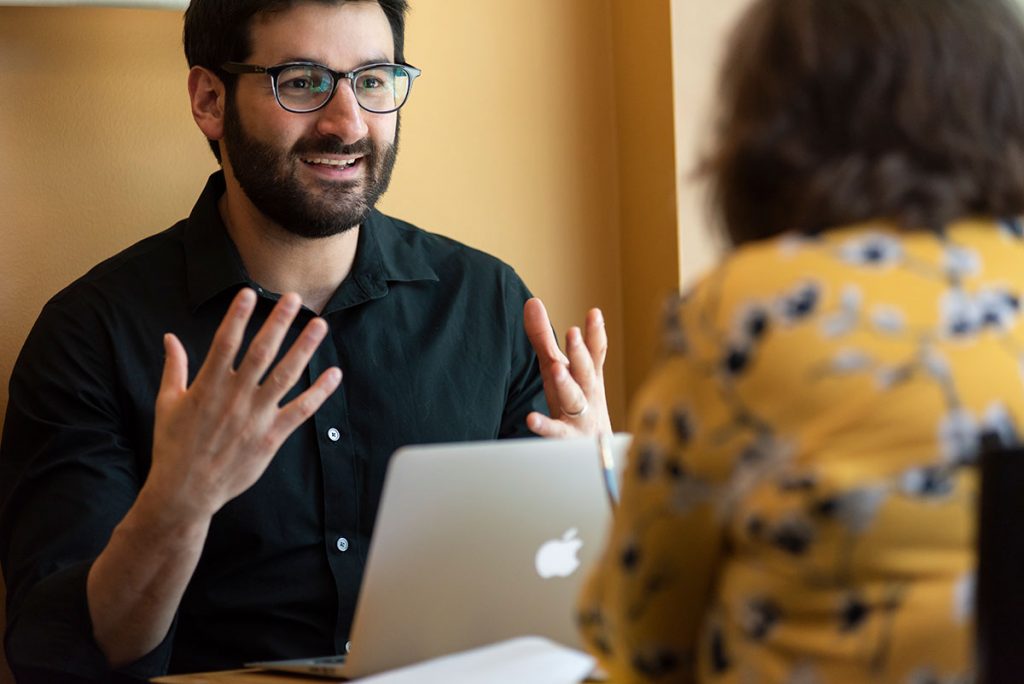
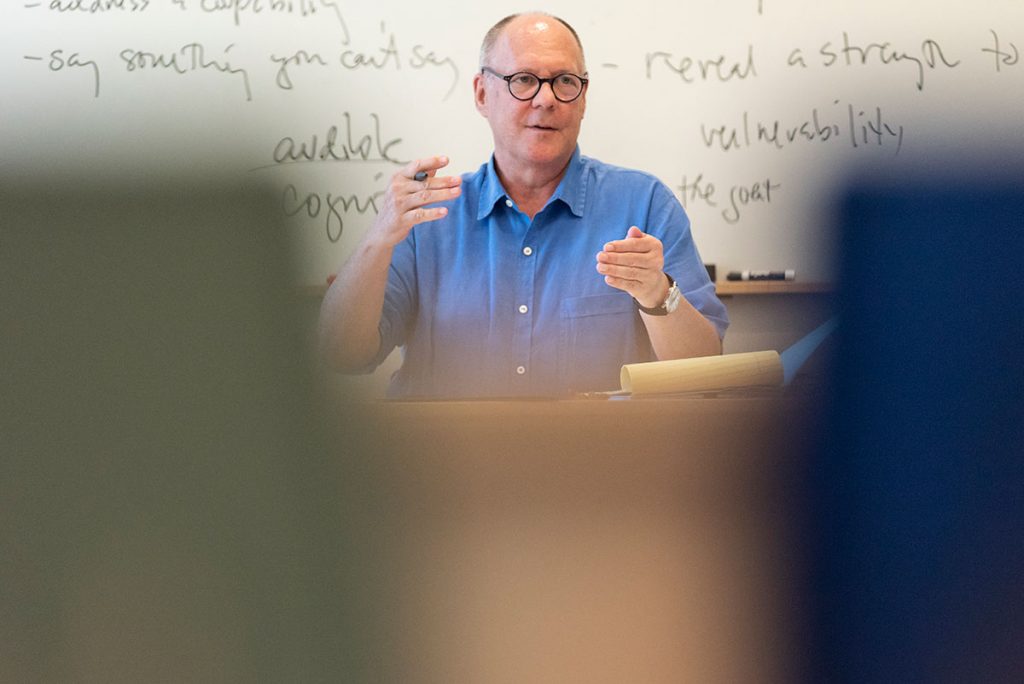
Participants attend one 3-hour workshop session each morning. Though the pace and content of these workshops varies, they will involve discussion of assigned reading, sharing individual writing, workshopping each other’s writing, and writing in response to prompts.

How many people are in each workshop?
Each class is limited to 12 participants.

Will I have a chance to write much while I am there?
Yes. You will write a lot, and you will write daily. The Kenyon Review Writers Workshops are unique in that they are generative in nature. Other than the writing sample submitted with the application, participants do not bring previous writing or current projects to workshops. This is a week to work. By the time the week is over participants, with a number of new pieces well on their way to completion, leave the workshop with a clearer, more self-directed sense of what they need and want to continue working on in their writing.

Is course credit available for participation in the Kenyon Review Writers Workshops?
Yes. Satisfactory completion of the Writers Workshops will result in a .25 credit that can go toward one’s graduate work or professional development. At the end of the week, participants who would like to receive this credit will complete a credit form that will remain on file with the college.

Who teaches the workshops?
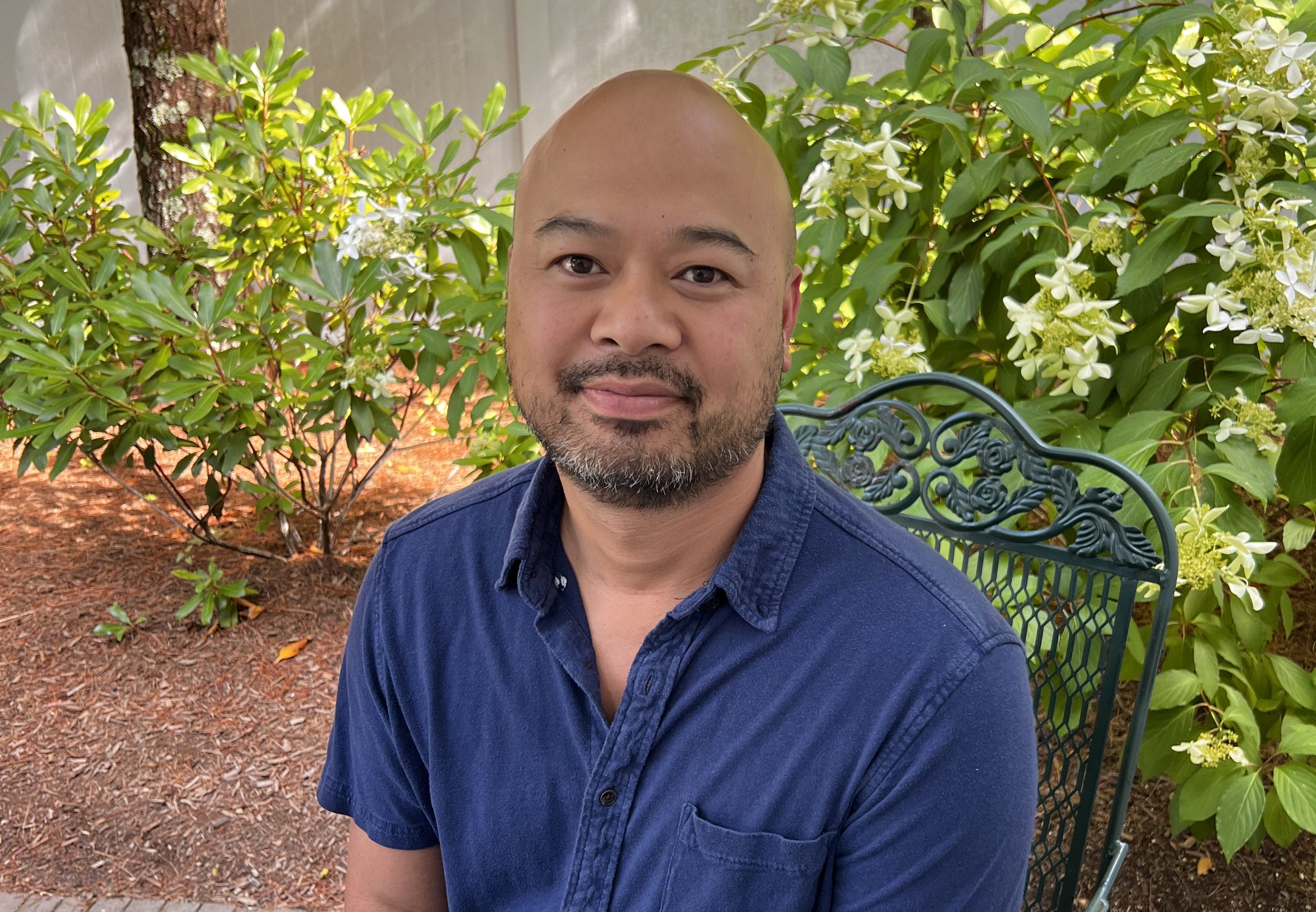
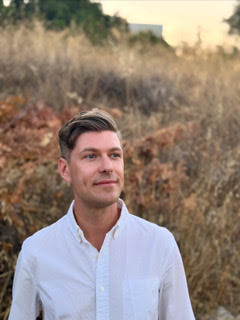
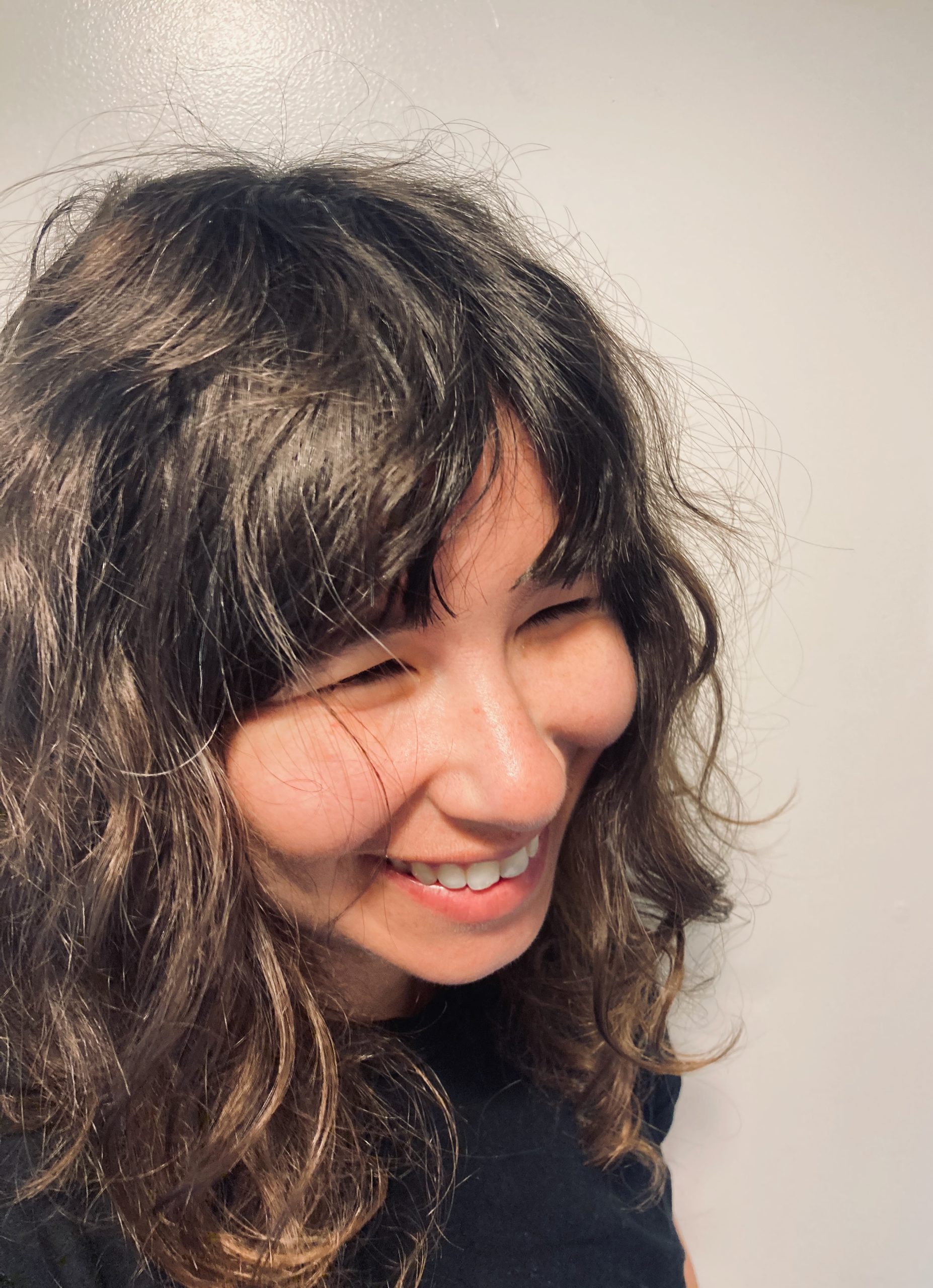
Our instructors are talented writers and teachers from around the country. Many of our instructors have been published in the Kenyon Review. Our instructors have advanced degrees in creative writing, have a lot of experience in the world of publishing, and most teach creative writing at universities during the academic year. We strive for a balance of instructors who are new to our writing workshops and instructors who have been teaching in our workshops for several years. Together, they are a strong team with a deep understanding of the curriculum and philosophy of the Kenyon Review Writers Workshops. Click on the photos above to read more about individual instructors.

What kind of writers enroll in the workshops?
Our participants are a diverse group, representing a wide range of academic and personal interests. Some are experienced writers who are hoping to expand their range and take some risks. Others relatively new to writing might be seeking an opportunity to receive feedback and instruction on craft. Overall, the participant who will benefit most from the workshop is one who likes to work with other people and who isn’t looking for a traditional approach to writing and learning. If you’re open to experimentation, willing to be playful and take some risks as a learner, and more interested in the writing process than in final goals, then you will thrive in the Kenyon Review Writers Workshops.

Application Process

Who can apply for the Kenyon Review Writers Workshops?
Anyone 18 years of age or older is eligible to apply.

I’m not a U.S. Citizen. Can I still apply?
Yes. We welcome international applications. If you have specific questions about visa requirements for your country, please contact us.

I attended the Kenyon Review Writers Workshops in the past. Can I apply again this year?
Yes. You will need to apply to the workshop again, using the online application. If accepted, you will receive a $250 returnee discount.

When can I apply?
Applications open December 2025. Kenyon Review programs are selective, and all applications are reviewed by committee. We will make every attempt to let applicants know our admission decision within four weeks.

How do I apply?
You will need to create a free Submittable account in order to apply, which you can do on our application page. If you already have a Submittable account, please sign in using your existing account. Be sure to add submittable.com to your address book and/or check your spam folders for email confirmations and notifications that we will send via Submittable.

To complete the online application, you must submit an online application form and a writing sample that showcases your best writing. If you are signing up for a poetry workshop, submit 3 to 4 poems. If you are signing up for fiction or nonfiction workshops, we request between 5-20 pages of prose writing.

How do I know that you received my application?
Once you have submitted your application, you will receive an email notification at the address you entered when you signed up for a Submittable account. Be sure to whitelist submittable.com or check your spam folder to ensure that you receive notifications from Submittable. You can also log back in to your Submittable account to check the status of your application at any time. If you have any problems or questions, please contact us at writersworkshops@kenyonreview.org, or 740-427-5522.

How are applicants chosen for the Kenyon Review Writers Workshops?
In evaluating applications, the selection committee pays particular attention to the writing sample. We are looking for participants who show real talent and passion for writing as well as participants who will thrive in both the workshop and residential setting. We strive to admit a diverse group of people with a wide range of writing styles and personal interests. We are selective in our acceptance, but if you are not accepted this year, we encourage you to reapply.

If I am put on the waitlist, when will I find out whether a spot has opened up?
We seek to contact waitlisted applicants no later than April 30th, but we may also contact waitlisted applicants in May if spots open up last minute.

If I am not accepted, can I apply again?
Absolutely. We encourage this.

Tuition

How much do the Writers Workshops cost?
The cost of these residential workshops is $2,545, which covers tuition, housing in an apartment single, and daily breakfast, lunch, and dinner. Travel expenses are the responsibility of the participant. Returning participants receive a $250 discount. Upgraded housing options are available for a supplement of $300. Dorm room housing is available at a $100 discount. Participants arranging independent housing for themselves receive a $150 discount off their tuition.

If you are accepted, you will be asked to complete an enrollment form and return it with your $500 deposit. An invoice based on your housing selection will be emailed in late April. The balance of your tuition is due in May.

Is financial aid available?
We have limited funds to offer toward partial scholarships for adult writers workshop participants who demonstrate financial need and have published in reputable literary journals (be sure to include publications in uploaded resume). All scholarships are granted on the basis of both merit and need. We especially encourage writers to apply who belong to underrepresented groups or underserved populations.

If you would like to apply for a partial scholarship, please fill out the scholarship section of the application.

How do I pay?
You may pay your non-refundable deposit, tuition balance, housing supplements, and shuttle fees at our online store. We prefer online payments, but you may also pay by check (payable to “Kenyon Review” and mailed to Kenyon Review Writers Workshop, 102 W. Wiggin St. Gambier, OH 43022) or by calling 740-427-5208.

Can I cancel my enrollment?
Our cancellation policy depends on which Session you are attending:

Session 1 (June 7–13, 2026)
If you cancel your enrollment before May 20th, you will forfeit your initial deposit. If you cancel on or after May 20th, we will keep the initial deposit and an additional $500 cancellation fee, but return the remaining balance paid. There will be no refund of tuition on or after May 22nd and no refund in the event of early departure.

Session 2 (July 5–11, 2026)
If you cancel your enrollment before June 1st, you will forfeit your initial deposit. If you cancel on or after June 1st, we will keep the initial deposit and an additional $500 cancellation fee, but return the remaining balance paid. There will be no refund of tuition on or after June 19th and no refund in the event of early departure.

Social and Residential Life

What is the social and cultural life of the program like?
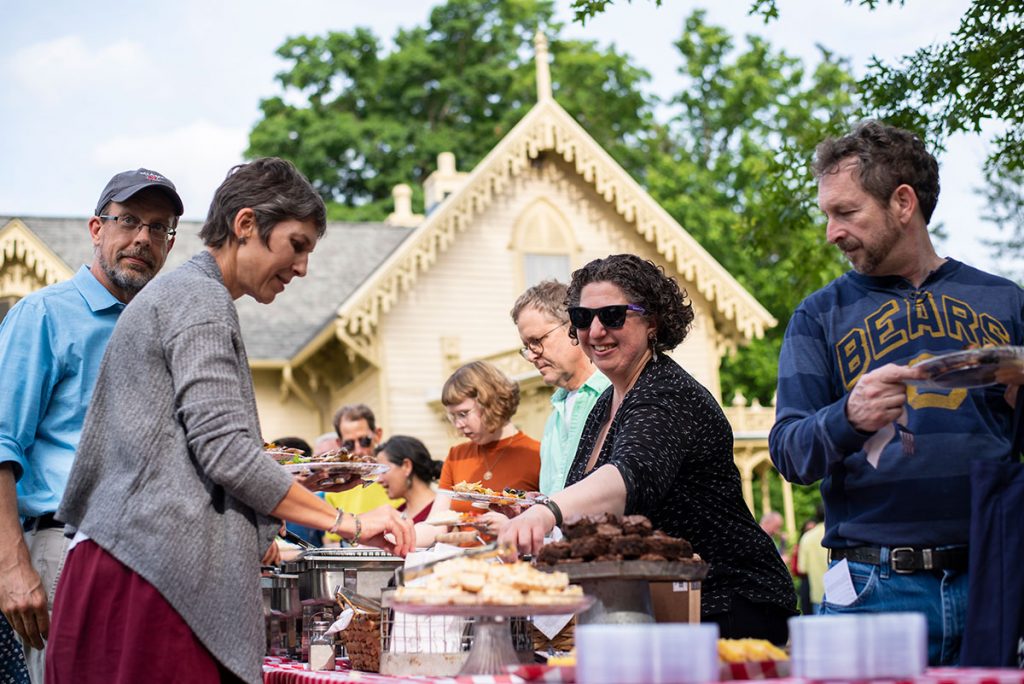
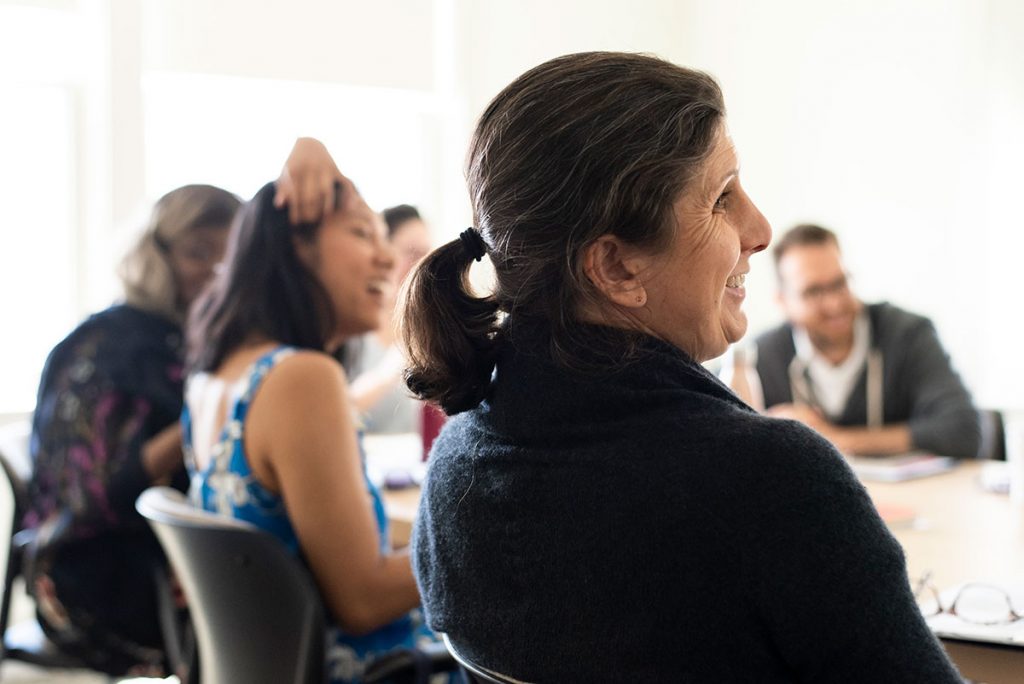
There is a strong social dimension to the workshop, both in and out of class. Participants regularly share their work-in-progress. The focus is on working together as a writing and learning community. This sense of community is strengthened outside of class through the recreational activities, local eating/drinking establishments, access to the Lowry Athletic Center, and evening readings.

Classes end at noon each day, leaving ample time for writing, reading and communing. In the afternoon, participants often meet with their instructors, work out at the Lowry Athletic Center, gather at Wiggin Street Coffee Shop, hike the nearby trails, attend a publishing or craft talk, or take a quick nap. Each evening includes a formal workshop reading in which workshop participants share a short segment of a work in progress. Often, after these readings, participants gather at the Village Inn to write or socialize.

What are the dining options?
Breakfast, lunch, and dinner, included in the cost of the workshops, are served daily in Kenyon’s grand Peirce Hall. Vegetarian options are always available and we make every attempt to accommodate allergies and dietary restrictions. Beyond Peirce Hall, there are a few Gambier eateries including the Village Inn, the Kenyon Inn, Wiggin Street Coffee, and the full-service Village Market (a small grocery store and sandwich shop).

What are the housing options?
You’ll stay in air-conditioned, furnished housing on Kenyon’s stunning campus. Housing options and prices vary (see below). Please let us know if you need ground-floor accommodations due to health issues. We make every effort to meet your needs. Several laundry facilities are available on campus. 

The workshop fee for all workshops includes the cost of a single private room and shared bathroom in The North Campus Apartments. Each townhouse apartment features a first-floor shared common room and full kitchen, three single bedrooms on the second and third floors, plus two shared bathrooms.

Apartment-style housing is available for a supplemental fee. Thomas Hall and Bexley Hall are Kenyon’s newest housing options: Bexley Hall apartments feature a shared bathroom and living room area, with a community kitchen on Bexley’s first floor, while each Thomas Hall apartment features a shared bathroom, a full kitchen, and a living room area. Both Thomas Hall and Bexley Hall have elevator access, common lounges and laundry facilities. (Add $300.00 to the base price of the workshop.)

You may also choose to select the on-campus housing arrangement of an air-conditioned single room and a hall bathroom in McBride Hall, one of Kenyon’s air-conditioned dormitories. This option comes with a $100 discount off the price of your tuition. If you prefer a hotel room or bed-and-breakfast, please let us know. You will be responsible for booking your own housing and will receive a discount of $150 on your workshop tuition fee. Local housing options (The Kenyon Inn, Rogan House and the Gambier House B&B) fill quickly. Mount Vernon, a ten-minute drive from campus, also has hotel and B&B options including the Mount Vernon Grand Hotel.

Getting to Campus

How do I get to Gambier?
Gambier is located about 45 miles northeast of Columbus, Ohio. The Kenyon College website has a map with driving directions to Gambier. The closest airport is John Glenn International Airport (CMH), about an hour’s drive from Gambier. There is no public transportation from the airport to Gambier, so we provide a shuttle service. There is a $80 round-trip ($40 one-way) shuttle fee for this service.

When should I arrive?
Please plan to arrive on campus between 12:00-2:00pm on Sunday for registration and orientation. If you are flying, keep in mind that the Columbus airport is about an hour’s drive from campus. Arrivals by plane should be scheduled no later than 2:00pm when possible.

When should I depart?
The last workshop occurs on Saturday morning. If you are departing from the Columbus airport, please schedule your flight for sometime after 2pm.

“I really benefited from the intensity of generating new material every day. This experience is so different—and so much more valuable than most workshops.”

“I learned more about the CRAFT of writing in one week than in years of attending workshops.”

“I’m going home with months of projects to work on that I’m excited about. I experimented with writing way outside my comfort zone and feel that I grew as a writer this week.”

“The instructors and fellow participants helped me stretch my poetry in new directions—both through the prompts and the follow-up discussion. I appreciated the expectation of, and space for, daily writing.”