


In the Issue
2024 Grodd Poetry Prize


2024 Poetry Contest

Rural Spaces










Art

Poetry
-
-
-
-
-
-
-
-
-
-
-
-
-
-
Guest
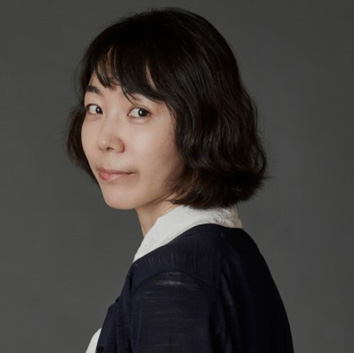 By Shin Hae-uk, translated by Spencer Lee-Lenfield
 -
Scarf
By Shin Hae-uk, translated by Spencer Lee-Lenfield -
End of the Earth
By Shin Hae-uk, translated by Spencer Lee-Lenfield -
On the Dot
By Shin Hae-uk, translated by Spencer Lee-Lenfield -
The sun parked in my space
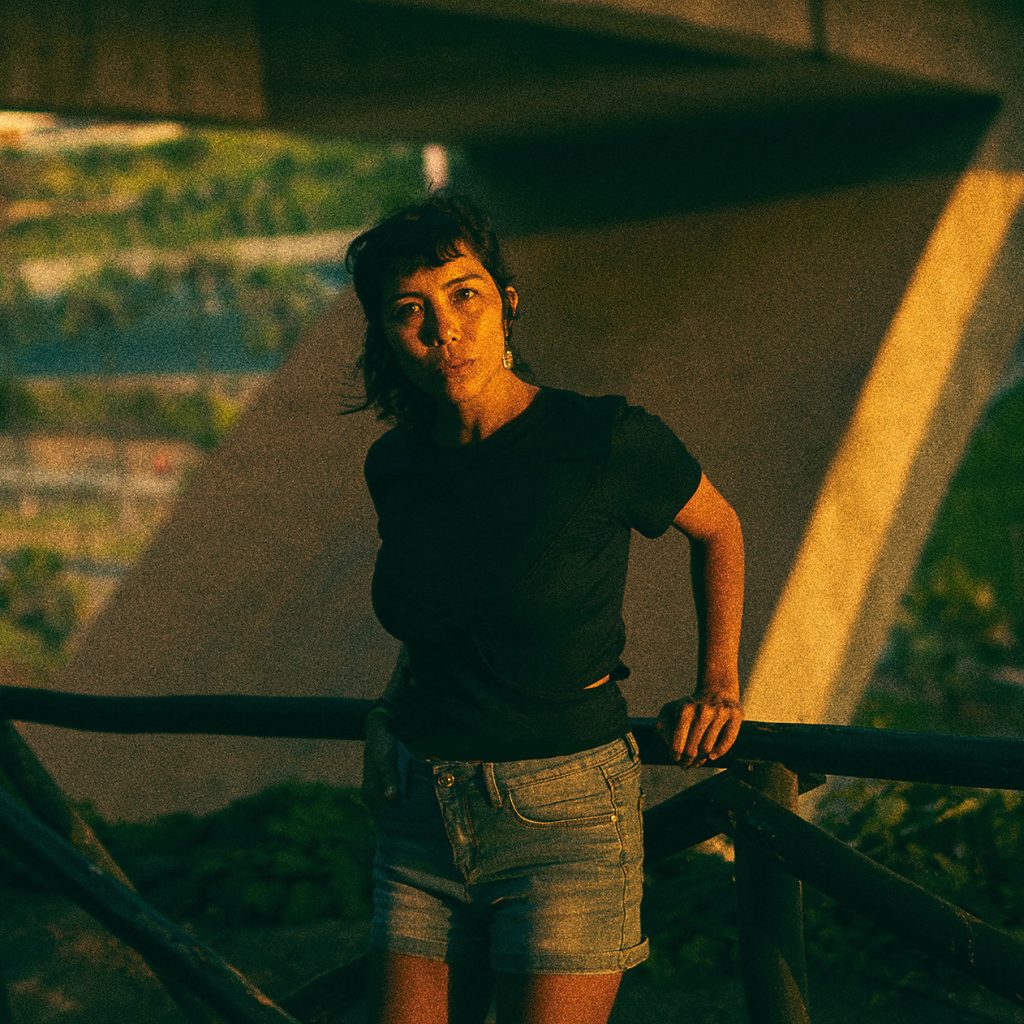 By Tilsa Otta, translated by Farid Matuk
 -
When you don’t believe in anything you’re left to
By Tilsa Otta, translated by Farid Matuk -
When they knock on my front door an engine switches on
By Tilsa Otta, translated by Farid Matuk -




Nonfiction


Fiction



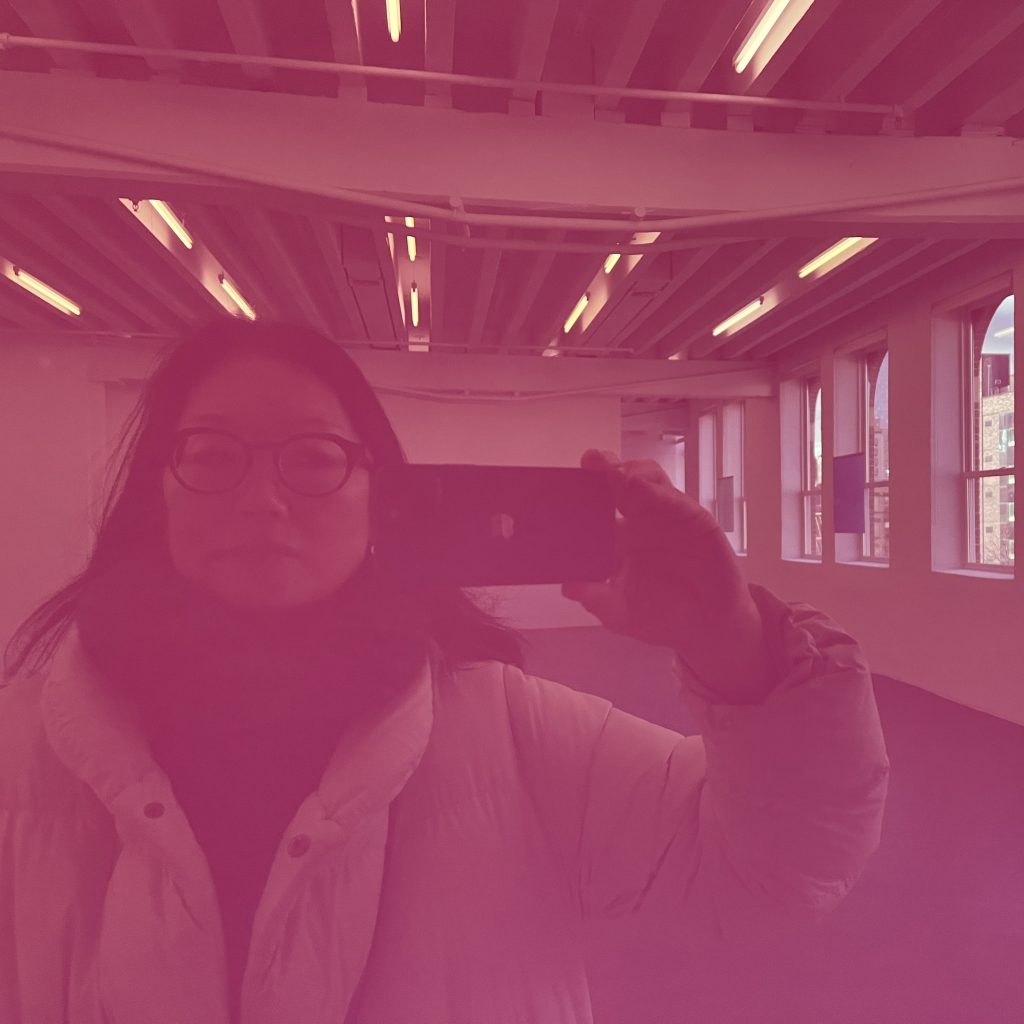
Cover Image
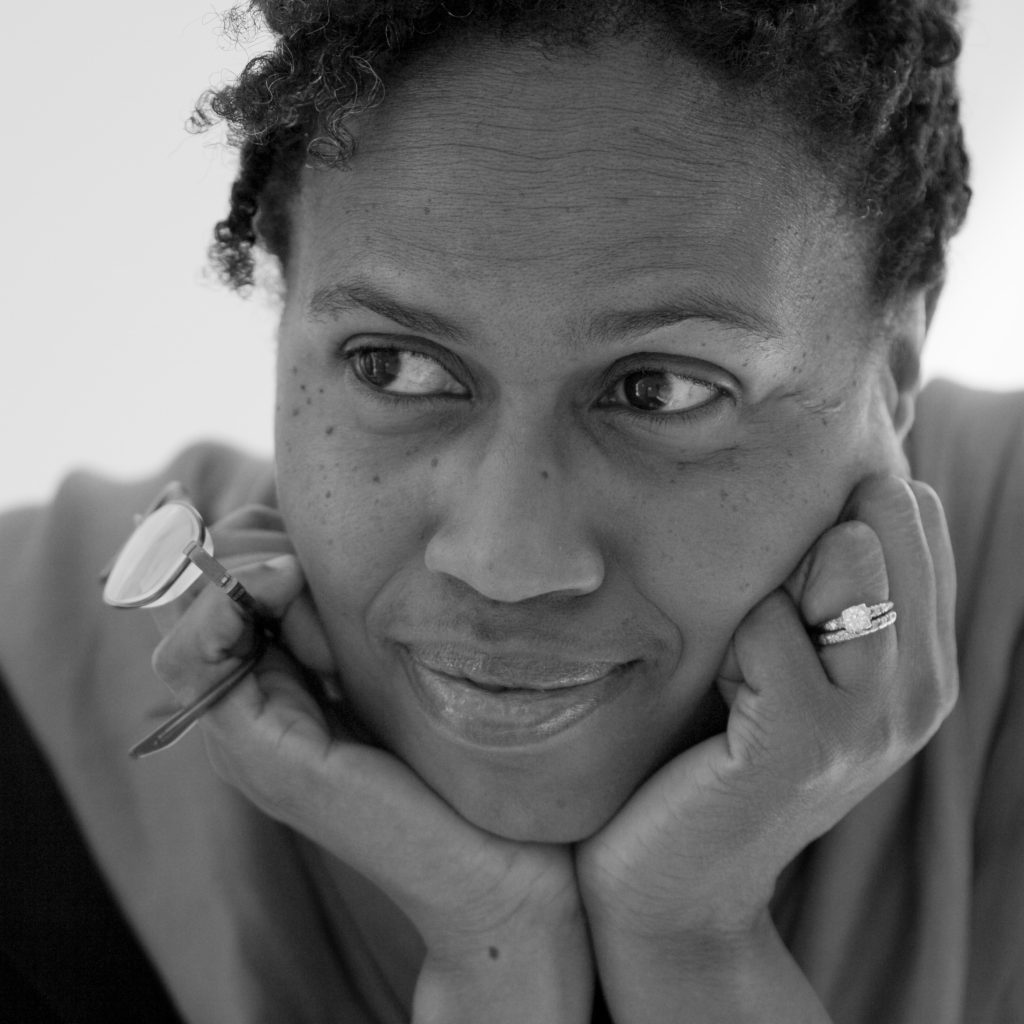
Ming Smith
Self-Portrait (1989)
Archival print	36 x 24 in.
Courtesy of Ming Smith
Studio and The Gund at
Kenyon College.
Contributors’ Notes
Tiffany Aurelia is a writer and student from Indonesia. She writes to explore the intricacies of memory, heritage, time, and her cultural background. She has been recognized by the Woorilla Poetry Prize and the Young Poets Network, and has been published in Up the Staircase Quarterly, The Emerson Review, and The Shore, among others.
Gabrielle Bates is the author of Judas Goat (Tin House, 2023), Electric Lit’s Top Poetry Book of the Year and an NPR Best Book of 2023. Originally from Alabama, Bates currently lives in Seattle, where she works for Open Books: A Poem Emporium and cohosts the podcast The Poet Salon. Her work has been featured in The New Yorker, Poetry, Ploughshares; on the Between the Covers podcast; and elsewhere. She has served as visiting faculty for the University of Washington Rome Center and the Tin House Writers’ Workshops.
Nick Bertelson’s work appears in Prairie Schooner, The Saturday Evening Post, and descant. Bertelson is the winner of the Gary Wilson Short Fiction Award. Currently, he is a fiction reader for New England Review.
Kimberly Blaeser, founding director of Indigenous Nations Poets and past Wisconsin Poet Laureate, is the author of works in several genres. Her six poetry collections include Ancient Light (University of Arizona Press, 2024), Copper Yearning (Holy Cow! Press, 2019), and Résister en dansant / Ikwe-niimi: Dancing Resistance (Éditions des Lisières, 2020). Blaeser, an enrolled member of the White Earth Nation, is an Anishinaabe activist and environmentalist. Her honors include the Zona Gale Award for Short Fiction and a Lifetime Achievement Award from Native Writers’ Circle of the Americas. Professor emerita at University of Wisconsin–Milwaukee and MFA faculty member at Institute of American Indian Arts, she is currently at work on a short fiction collection, Red Ants.
Julia Bouwsma lives off the grid in the mountains of western Maine, where she works as a poet, homesteader, editor, teacher, and small-town librarian. She is Maine’s sixth poet laureate, currently serving a term from 2021 to 2026, and is the author of three poetry collections: the forthcoming Death Fluorescence (Sundress Publications, 2025), Midden (Fordham University Press, 2018), and Work by Bloodlight (Cider Press Review, 2017).
Allison Braden is a writer and translator based in Savannah, Georgia. Her work has appeared in Oxford American, Outside, and The Massachusetts Review, among others.
Chee Brossy is a fiction writer and a poet. His poetry collection, The Strings Are Lightning and Hold You In (Tupelo Press, 2022), was nominated for a Pulitzer Prize. His poetry and fiction have appeared in Southern Indiana Review, The Malahat Review, Narrative Magazine, Colorado Review, PRISM international, and elsewhere. Brossy holds a degree in English from Dartmouth College. He is a member of the Navajo Nation.
Kai Carlson-Wee is the author of Rail (BOA Editions, 2018). He has received a Pushcart Prize, a MacDowell Fellowship, and a Wallace Stegner Fellowship. He lives in San Francisco and is a lecturer at Stanford University.
Carissa Jiarong Chen is from California. Her work appears in The Tupelo Quarterly, Black Warrior Review, and BOAAT Journal. She is pursuing a PhD in economics and a JD, and she is a recent graduate from the University of Oxford, where she was a Rhodes Scholar.
Christopher Citro is the author of If We Had a Lemon We’d Throw It and Call That the Sun (Elixir Press, 2021), winner of the 2019 Antivenom Poetry Award, and The Maintenance of the Shimmy-Shammy (Steel Toe Books, 2015). His honors include a Pushcart Prize for poetry, a fellowship from the Ragdale Foundation, Columbia Journal’s poetry award, and a creative nonfiction award from The Florida Review. His poetry appears in 32 Poems, Alaska Quarterly Review, American Poetry Review, Bennington Review, Best New Poets, The Iowa Review, Ploughshares, West Branch, and elsewhere. Citro is an editorial assistant for Seneca Review and lives in Syracuse, New York.
Daisy Desrosiers is an interdisciplinary art historian and the current director and chief curator of The Gund at Kenyon College. She was previously the inaugural director of artist programs at the Lunder Institute for American Art at the Colby Museum of Art at Colby College (Maine). She was a cocurator of the first Museum of Contemporary Art (MOCA) Toronto Triennale, titled GTA21, in 2021. Desrosiers also was part of the 2023 Center for Curatorial Leadership cohort. Her past fellowships include Nicholas Fox Weber curatorial resdiency at The Glucksman museum in Cork (Ireland) and a curatorial fellowship at Brooklyn-based nonprofit Art in General. She is a contributor to the 2024 Prospect 6 New Orleans catalog, writing on artist Joan Jonas; the 2021 New Museum Triennial publication, and As We Rise (Aperture, 2021). She sits on the board of directors of the art gallery of University College Cork.
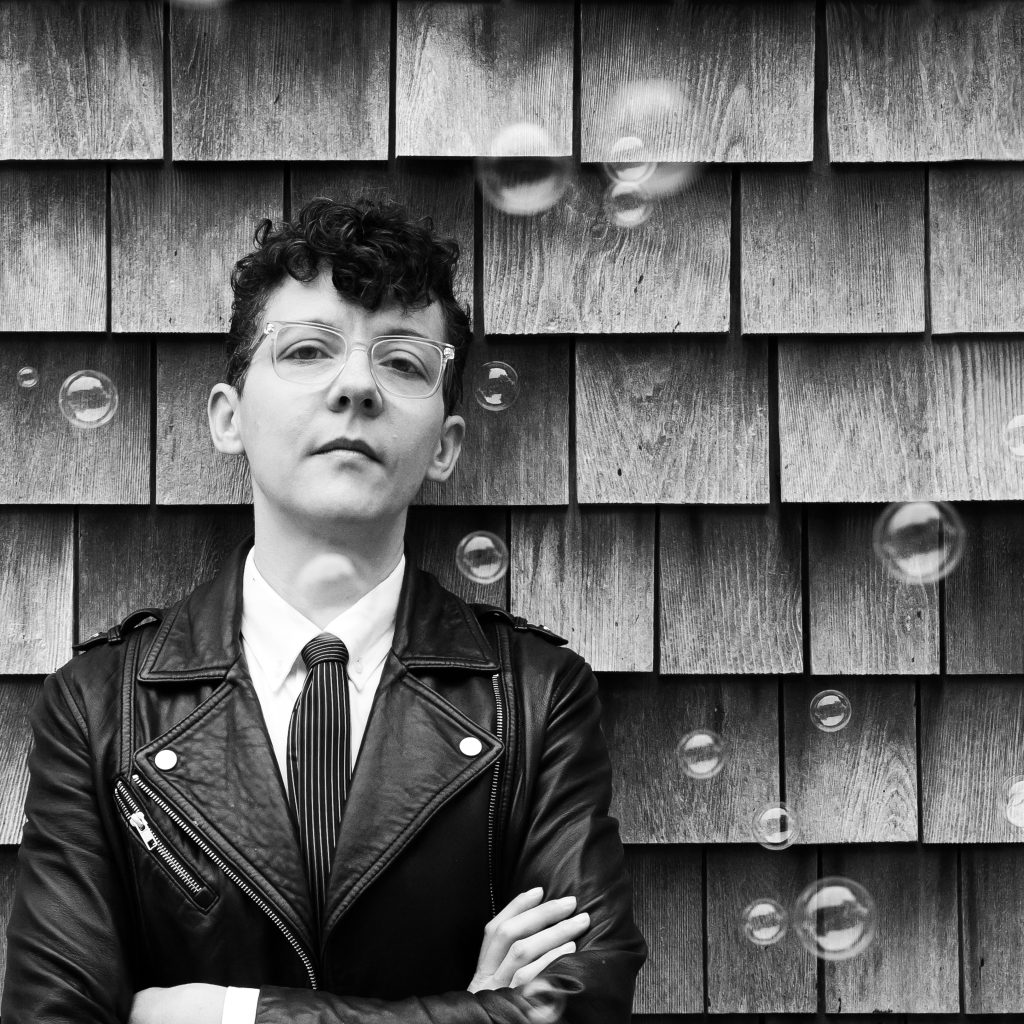
CD Eskilson is a trans nonbinary poet, editor, and translator living in Arkansas. They are a recipient of the C.D. Wright / Academy of American Poets Prize, as well as a nominee for Best of the Net, Best New Poets, and the Pushcart Prize. Their debut poetry collection, Scream / Queen, is forthcoming from Acre Books in 2025.
ethan s. evans (they/them) is a Poe /Faulkner Fellow at the University of Virginia, where they teach creative writing. they used to work in botany. they’d drive into fields and log plants into a massive digital map. they’ve spent a lot of time looking for ghosts. their work appears or is forthcoming in the minnesota review, The Journal, and Poets.org. they have a website named after them (https://ethansevans.com/). they organize with United Campus Workers.
Matty Layne Glasgow is the author of deciduous qween (Red Hen Press, 2019), winner of the Benjamin Saltman Poetry Award. His poetry and nonfiction have recently appeared in or are forthcoming from Copper Nickel, Ecotone, Gulf Coast, The Missouri Review, Pleiades, and Third Coast Magazine. Matty is a 2022–25 Black Earth Institute Fellow and a PhD candidate at the University of Utah, where he has served as editor of Quarterly West and coordinated the Wasatch Writers in the Schools program.
Andrew Grace taught at Stanford University, Washington University, and the University of Cincinnati before recently joining the Department of English at Kenyon. His books of poetry include A Belonging Field (Salt Publishing, 2002), Shadeland (The Ohio State University Press, 2008), and Sancta (Ahsahta Press, 2012). His poems have appeared in Poetry, Boston Review, The Iowa Review, TriQuarterly, and Prairie Schooner. Grace was a Wallace Stegner Fellow in poetry at Stanford and is the winner of an Academy of American Poets prize.
A former Wallace Stegner fellow, JP Grasser holds a PhD from the University of Utah, where he edited Quarterly West. He lives in Montana’s Bitterroot Valley and serves as an associate editor for 32 Poems.
Leah Naomi Green’s The More Extravagant Feast (Graywolf Press, 2020) was selected by Li-Young Lee for the Walt Whitman Award of the Academy of American Poets. Her work is supported by the Civitella Ranieri Foundation, the Bread Loaf Writers’ Conference, the Lucille Clifton Legacy Award, The Paris Review, Tin House, Poem-a-Day, VQR, The Southern Review, Orion, and others. Green teaches environmental studies and English at Washington & Lee University and offers poetry workshops through Orion magazine. She homesteads in an ecological community, where she and her family grow much of their food.
Sofia Ergas Groopman is a writer from New York City. She received an MFA from the Helen Zell Writers’ Program at the University of Michigan, where she won the Hopwood Award for Fiction, the Hopwood Award for Nonfiction, and the Chamberlain Award for Creative Writing. Her writing has appeared in Joyland, The Gettysburg Review (finalist for The Best American Stories), The New York Times, Vice, and The Paris Review Daily. Groopman lives in Brooklyn with her husband, their son, and a wirehaired dachshund.
Janice N. Harrington’s latest book, Yard Show, is forthcoming from BOA Editions. Harrington teaches at the University of Illinois.
Aiden Heung (he/they) is a Chinese poet born in a Tibetan Autonomous Town. His English-language poems have appeared or are forthcoming in the Australian Poetry Journal, the Harvard Review, The Missouri Review, Poetry International, The Cincinnati Review, Crazyhorse, Black Warrior Review, and the minnesota review, among others. After working as a traveling salesman for many years, Heung recently relocated to St. Louis, where he is an MFA candidate at Washington University. He can be found on X @aidenheung.
Faylita Hicks is a queer Afro-Latinx multi-disciplinary artist, writer, hoodoo practitioner, and cultural strategist advocating for people directly impacted by the carceral system. An Art for Justice Fund grantee, voting member of the Recording Academy, and winner of the 2020 Sappho Poetry Award from Palette Poetry, they are the author of A Map of My Want (Haymarket Books, 2024) and HoodWitch (Acre Books, 2019), a finalist for the 2020 Lambda Literary Award for Bisexual Poetry. Currently based in Chicago, they are working on their forthcoming memoir about their pretrial incarceration, A Body of Wild Light (Haymarket Books, 2026), their next contemporary jazz-infused spoken word album, and a digitally immersive performance piece tentatively entitled The Echoes.
Richie Hofmann is the author of two books of poems, A Hundred Lovers (Alfred A. Knopf, 2022) and Second Empire (Alice James Books, 2015). His poetry has appeared most recently in The Paris Review, The New Yorker, Poetry, and The Yale Review, and he has been honored with the Ruth Lilly Poetry Fellowship and the Wallace Stegner Fellowship.
Anna Maria Hong is the author of Age of Glass (Cleveland State University Poetry Center, 2018), Fablesque (Tupelo Press, 2020), and H & G (Sidebrow Books, 2018). With Christine Hume, she coedited Traversals: A Folio on Walking, published in The Hopkins Review in 2023. A recipient of fellowships from the Radcliffe Institute for Advanced Study and the Marion and Jasper Whiting Foundation, she is an associate professor at Mount Holyoke College. Find her at https://www.annamariahong.net/.
Apyang Imiq is an Indigenous writer from Taiwan; he belongs to the Truku tribe, in Hualien. He was named Best New Author at the 2021 Taiwan Literature Awards. After finishing his master’s degree at the Graduate Institute of Building and Planning at National Taiwan University, he returned to Hualien, serving as an associate of the Community Development Committee and tribal council officer. He has been awarded the Taiwanese Indigenous People Literature Award multiple times and also was granted patronage by the National Culture and Arts Foundation in 2020. “River Dam of Confession” is from Imiq’s book of essays, Growing Up in a Tree Hollow.
Margot Kahn is the author of the biography Horses That Buck (University of Oklahoma, 2008) and coeditor of two anthologies: This Is the Place (Hachette, 2017) and Wanting (Catapult, 2023). Her poetry debut, The Unreliable Tree, is forthcoming from Northwestern University Press.
Spencer Lee-Lenfield translates from Korean to English. Lee-Lenfield’s prior work has appeared in journals including New England Review, Colorado Review, Guernica, The Dial, and the Asian American Writers’ Workshop’s The Margins.
Jared Lemus is the author of two works of fiction forthcoming from Ecco: his story collection, Guatemalan Rhapsody, will be published in spring 2025, and his novel will be published in 2027. His work has appeared in The Atlantic, Story, Pinch, KROnline, PANK, Cleaver, and Joyland, among others. Lemus holds an MFA from the University of Pittsburgh, where he currently works as a visiting professor of fiction writing.
Dong LI is a multilingual author who translates from Chinese, English, French, and German. He is the English translator of the PEN/Heim-winning The Gleaner Song (Giramondo & Deep Vellum, 2021) by the Chinese poet Song Lin and The Wild Great Wall (Deep Vellum, 2018) by the Chinese poet Zhu Zhu. His full-length PEN/Heim-winning translation of the Chinese poet YE Hui is forthcoming from Deep Vellum. LI’s debut collection of poetry, The Orange Tree (University of Chicago Press, 2023), was the inaugural winner of the Phoenix Emerging Poet Book Prize.
brenda Lin is a writer and literary translator based in Taipei. She has published two books: Wealth Ribbon (University of Indianapolis Press, 2004), a collection of essays on family and cultural identity, and Hope, That You Can Wear, a bilingual touch-and-feel picture book inspired by her mother’s collection of children’s textiles. Lin’s writing has appeared in Fourth Genre, WSQ, Asymptote, Gulf Coast, and others. She is currently working on a book of essays on homecoming, motherhood, and the intersection between text and textile.
Sharon Lin is a poet and an essayist. Her work appears in The New York Review of Books, DIAGRAM, Sine Theta, wildness, the Offing, and elsewhere. She lives in London.
Ian U Lockaby is the author of Defensible Space / if a crow — (Omnidawn, 2024) and A Seam of Electricity (Ghost Proposal, 2024). His poems and translations have been or will be published in Fence, Bennington Review, Ecotone, Poetry Northwest, Denver Quarterly, Circumference, and elsewhere. Lockaby edits the online journal mercury firs, and with poet fahima ife, coedits the micropress LUCIUS. He lives in New Orleans.
Diane Louie’s book of prose poems, Fractal Shores (University of Georgia Press, 2020), a winner of the National Poetry Series, was awarded the 2021 John Pollard Foundation International Poetry Prize. Her recent work has appeared or is forthcoming in The Columbia Review, Gulf Coast, and The Malahat Review.
Robert Wood Lynn is a poet from Virginia. His debut collection, Mothman Apologia (Yale University Press, 2022), was the winner of the Yale Series of Younger Poets Prize and the Kate Tufts Discovery Award and was selected by The New York Times for its list of Best Poetry of 2022. His poems have been featured in American Poetry Review, The Atlantic, Poetry Daily, Poetry magazine, and elsewhere. A 2023 NEA Creative Writing Fellow, Lynn lives in Rockbridge County, Virginia.
James Macmillen is a British-born poet and editor who lives in Detroit. He earned his PhD from Cornell University and completed his postdoctoral studies at the University of Michigan’s Society of Fellows. His poetry has appeared in Blueline, Pinyon, The MacGuffin, and other publications.
Jenna Martínez is a queer Mexican American writer and printmaker. She is a Literary Cleveland 2023–24 Breakthrough Writing Resident and is at work on a collection of poems about migration, friendship, and queer joy. Originally from San Antonio, Texas, she lives in Cleveland, Ohio.
Alex Marzano-Lesnevich is a 2023 United States Artists Fellow and the author of The Fact of a Body: A Murder and a Memoir (Flatiron Books, 2017), which received several international prizes. Their essays have been published in Harper’s, Harvard Review, AGNI, and other magazines, and anthologized in the 2020 and 2022 editions of The Best American Essays. They live in Vancouver, where they are the Rogers Communications Chair in Creative Non-fiction and an assistant professor at the University of British Columbia. Their next book, Both and Neither, is forthcoming from publishers internationally.
Farid Matuk is the author of the poetry collections This Isa Nice Neighborhood (Letter Machine Editions, 2010), The Real Horse (University of Arizona Press, 2018), and the forthcoming Moon Mirrored Indivisible (University of Chicago Press, 2025). Their translations have appeared in Kadar Koli, Bombay Gin Literary Journal, Translation Review, Mandorla, Poetry, and Guernica. They have received fellowships from the Headlands Center for the Arts and United States Artists.
Rose McLarney’s collections of poetry are Colorfast, Forage, and Its Day Being Gone (Penguin, 2024, 2019, 2014) as well as The Always Broken Plates of Mountains (Four Way Books, 2012). She is coeditor of A Literary Field Guide to Southern Appalachia (University of Georgia Press, 2019) and the journal Southern Humanities Review. McLarney works as professor of creative writing at Auburn University.
Keletso Mopai is a South African writer and geologist. She studied for her MA in creative writing at the University of Cape Town. Her acclaimed debut collection of short stories, If You Keep Digging, was released by Blackbird Books in 2019. Mopai’s work has been published internationally in several journals, including Internazionale, The Johannesburg Review of Books, Kaleidoscope Magazine, and Catapult. In 2020, Mail & Guardian named her one of the Top 200 Young South Africans. Mopai was a writing fellow at the Johannesburg Institute for Advanced Study in early 2024.
Brian Michael Murphy is associate professor of American Studies at Williams College and a faculty associate at the Berkman Klein Center for Internet & Society at Harvard University. His book We the Dead: Preserving Data at the End of the World (University of North Carolina Press, 2022) received the Lois P. Rudnick Book Prize from the New England American Studies Association, and his writing has appeared in the The Wall Street Journal, The Kenyon Review, Lapham’s Quarterly, Narrative, and in Italian translation in Ácoma, among other places. A Fulbright Scholar, Murphy also has received support from the National Endowment for the Humanities, the Vermont Arts Council, and the Ohio Arts Council.
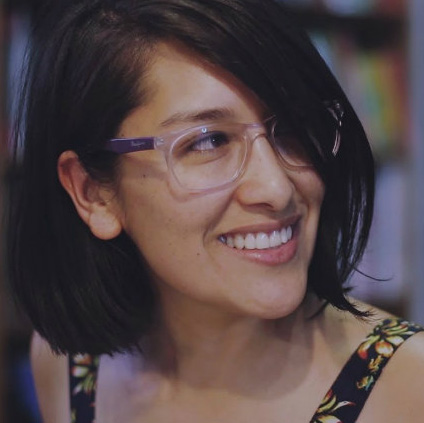
Tilsa Otta has published five collections of poems and the queer novel Lxs niñxs de oro de la alquimia sexual (Random House, 2021). A multimedia artist, Otta works across video, illustration, and text. She lives in Mexico and Peru.
Pádraig Ó Tuama is a poet from Ireland with interests in conflict, religion, and language. His most recent collection is Feed the Beast (Broken Sleep Books, 2022). He presents the podcast Poetry Unbound from On Being Studios, from which comes Poetry Unbound: 50 Poems to Open Your World (W. W. Norton, 2022) comes. His work has been published in Harvard Review, Poetry Ireland,Poem-a-Day, and many other places.
Issa Quincy is a British writer based in New York City. He grew up in Oxford and studied philosophy and literature. While studying, he worked in theater, writing and directing his own plays in both London and Norwich. He spent several years working as an archivist. His poetry has appeared in The London Magazine and has been anthologized by New Rivers Press. Quincy’s fiction has appeared in Transition Magazine. His debut novel, Absence, is forthcoming from Granta in spring 2025.
Jacques J. Rancourt is the author of Brocken Spectre (Alice James Books, 2021); Novena (Pleiades Press, 2017), winner of the Lena-Miles Wever Todd Prize; and a chapbook, In the Time of PrEP (Chad Walsh Chapbook Series, Beloit Poetry Journal, 2018). He has held poetry fellowships and residencies from Bread Loaf and Sewanee Writers’ Conferences, the Wisconsin Institute for Creative Writing, the Cité internationale des arts in Paris, and Stanford University, where he was a Wallace Stegner Fellow. Raised in Maine, he lives in San Francisco.
Acadia Reynolds is a writer of poetry, magical realism, and horror. She was recently the division winner of the SCCH Holocaust Art and Writing Contest. In her free time, she crotchets and bakes.
Alberto Ríos’s latest publications include a collection of poems, Not Go Away Is My Name (Copper Canyon Press, YEAR), along with a novel, A Good Map of All Things (University of Arizona Press, 2020). A National Book Award finalist, Ríos is Arizona’s inaugural poet laureate and a recent chancellor of the Academy of American Poets.
Angie Romines is a writer, teacher, and Dolly Parton enthusiast living in Columbus, Ohio, with her husband, their two sons, and an emotionally needy rescue pup. Her work has appeared in New England Review, Literary Hub, The Rumpus, The Columbia Review, and elsewhere. She is working simultaneously on a historical romance novel and an essay collection that explores the dark narratives of Kentucky women in her family tree.
Cloris Shi is a Chinese American poet from Southern California. Her works have been recognized by the Alliance for Young Artists & Writers, The New York Times, and other journals. She is also a co–editor in chief of Polyphony Lit, one of the oldest and largest literary magazines for high school students.
Shin Hae-uk has been publishing since 1998, including the poetry collections Precise Arrangement (, 2005), Biologicity (儅僭撩, 2009), syzygy (Moonji, 2014), and Caeciliendless (鼠褶艙錳, 2019); the essay collections Lives of the Unadults (綠撩喇 翮瞪, 2012) and Book for Just One (1檣辨 疇, 2015); the novel The Oneiroelectrical Shop (, 2020); and Looking Out the Window (璽夤擊 獄棻, 2021), a hybrid work of essay and fiction. She won Korea’s Author’s Choice Emerging Poet Award in 2010 and received the Kim Hyun Literary Prize in 2022. Shin holds a doctorate in Korean literature from Korea University and currently teaches creative writing at Dongduk Women’s University in Seoul. Biologicity, from which the poems in this issue are drawn, will appear in English translation from Black Ocean in late 2024.
Born and raised in rural Manitoba, Leanne Shirtliffe (she/her) is a writer and educator now based in Calgary, Alberta. She is putting together her debut poetry collection, exploring the intersection of farming, feminism, and family. Her writing has been published in journals such as CV2, The Goose, and Stoneboat. You can find her at LeanneShirtliffe.com or read her overheard haiku on Instagram: @leanne_shirtliffe.
Jamie Lyn Smith is a writer, editor, and teacher. She earned her BA in English and Theater from Kenyon College, her MA in Education from Fordham University, and her MFA in Creative Writing from The Ohio State University. Smith reads fiction for The Kenyon Review and is a founding member of BreakBread Literacy Project, former fiction editor at BreakBread Magazine, and the founding editor of Bridge. Her work has appeared in The Pinch, Mississippi Review, The Kenyon Review, American Literary Review, Yemassee Journal, Bayou Magazine, Ploughshares, and other fine literary maga-zines. Her debut short story collection, Township, was published by Cornerstone Press in January 2022. She is currently writing Lifeguards, a novel about millennial crises and the rise of white nationalism in the rural Midwest, for which she received an Ohio Arts Council Individual Excellence Award. Smith lives in Ohio, but New York will always be home.
Ming Smith has been photographing since early childhood. Embracing photography as a spiritual practice, the Detroit-born, Harlem-based artist’s photographs reflect a lifelong exploration of movement, light, rhythm, and shadow. A woman of many firsts, Smith was the first woman to join the Kamoinge Workshop, a Harlem-based collective of Black photographers documenting Black life and, in 1979, became the first Black woman photographer to have work acquired by The Museum of Modern Art. Known for her poetic black-and-white street photography and portraits of notable Black cultural figures, Smith, in her detailed approach to image making has employed a range of in-camera, darkroom, and postproduction techniques, which include, but are not limited to slow shutter speeds, multiple exposures, collage, and hand painting on prints. The result is an oeuvre of equally stunning and evocative images of Black life that prioritize complexity, technicality, and beauty.
Madeleine Stein is a short story writer who has taught at New York University and the American University in Cairo, Egypt and is now living in the Hudson Valley. Her work has appeared in Ambit (Issue 242) The Raymond Carver Review (Issue 5/6), and the Saranac Review (Issue 7). She has also written for the Cairo Times and the London Magazine.
David Thacker is a recipient of the Creative Writing Award from the Western Literature Association, a Pushcart Prize Special Mention, and has been a finalist for the Donald Hall Prize for Poetry, the Berkshire Prize, and the Levis Prize. His poems have appeared in Orion, Tin House, Beloit Poetry Journal, Plume, LitHub, and elsewhere. Thacker directs the Visiting Writer Seminar at the Ethel Walker School.
Rodrigo Toscano is the author of eleven books of poetry. His latest books are The Cut Point (Counterpath Press, 2023), The Charm & the Dread (Fence Books, 2022). Forthcoming is WHITMAN. CANNONBALL. PUEBLA. (Omnidawn 2025). His Collapsible Poetics Theater (Fence Books, 2008) was a National Poetry Series selection. His poetry has appeared in more than twenty anthologies, including Best American Poetry (2004, 2023) and Best American Experimental Poetry (BAX). Toscano received a New York State Fellowship in Poetry; in 2019 he won the Edwin Markham Prize for Poetry; and in 2023 he received an Honorable Mention in the International Latino Literary Awards. His poetry has been translated into French, Dutch, Italian, German, Portuguese, Norwegian, and Catalan. Toscano works for the Labor Institute in conjunction with the National Institute for Environmental Health Science. Find him at rodrigotoscano.com and @Toscano200
Elise Thi Tran is a Vietnamese Filipina American writer and poet. She is a Chicago Literary Club Collyer Fellow (2021–24) and a fiction judge for NYC Midnight. Tran’s manuscript in progress, Dredged from the Courtyard Pond, won the 2022 First Pages Prize. Her nonfiction, poetry, and visual work appears or is forthcoming in Apogee, Blackbird, diode, the minnesota review, River Styx, Salt Hill, TIMBER, and elsewhere.
Arelis Uribe is a writer, journalist, and translator from Santiago, Chile, and her fiction and nonfiction has been published, awarded, and acclaimed internationally. She has published a collection of short stories, Quiltras (Los Libros de la Mujer Rota, 2016); an anthology of opinion articles, Que explote todo (Los Libros de la Mujer Eota, 2017); and a short novel, Las heridas (Emecé Editores, 2021). She served as the communications director at the Observatory Against Street Harassment, a feminist organization that advocated for the first anti–street sexual harassment law in Chile, and she has been a professor of literature and writing for more than fifteen years. Uribe holds an MFA in creative writing from New York University.
From New Orleans, Bernardo Wade will soon wander the Bay as a Wallace Stegner Fellow at Stanford. He currently serves as an assistant editor and poetry editor for Obsidian: Literature & Arts in the African Diaspora. Though he’s published in a bunch of literary journals no one in his family has ever heard of, they remain proud of him, especially when they are featured in the poems. His first full-length poetry collection is forthcoming from Lookout Books. Wade is infatuated with Ed Roberson’s question “Can you OD on life?” Find more at bernardowade.com.
G.C. Waldrep’s most recent books are feast gently (Tupelo, 2018), winner of the William Carlos Williams Award from the Poetry Society of America; The Earliest Witnesses (Tupelo/Carcanet, 2021); and The Opening Ritual (Tupelo, forthcoming 2024). Waldrep lives in Lewisburg, Pennsylvania, where he teaches at Bucknell University.
Annie Wenstrup is a Dena’ina poet from Anchorage, Alaska, living in Fairbanks. Her debut book of poetry, The Museum of Unnatural Histories, is forthcoming from Wesleyan University Press (March 2025). Her poems have been published in Alaska Quarterly Review, New England Review, Poetry, and elsewhere. Her writing is supported by the Stephen Donadio Bread Loaf Writers’ Conference Scholarship (2024), the Alaska Literary Award (2023), the Rasmusson Foundation (2023), the Virginia Center for the Creative Arts (2023), Indigenous Nations Poets (2023, 2022) and Storyknife Writers Retreat. She is currently the alumni and donor relations coordinator at Indigenous Nations Poets.
John Yau received the 2018 Jackson Poetry Prize, awarded annually to an American poet of exceptional talent. His recent published works include a selection of essays, Please Wait by the Coatroom: Reconsidering Race and Identity in American Art (Black Sparrow, 2023); a book of poems, Tell It Slant (Omnidawn, 2023); and a catalog, Disguise the Limit: John Yau’s Collaborations with Artists (University of Kentucky Art Museum, 2024).
YE Hui is an acclaimed Chinese metaphysical poet who lives in Nanjing. His poems in English translation have appeared or are forthcoming in 128 LIT, The Arkansas International, Asymptote, Bennington Review, Blackbird, Circumference, Copihue Poetry, Guernica, Lana Turner, and Zocálo Public Square. The full-length English translation of his latest collection, The Ruins, is forthcoming from Deep Vellum.
Kenton K. Yee’s recent poems appear (or will soon) in Plume Poetry, The Threepenny Review, RHINO, The Cincinnati Review, Hawaii Pacific Review, Constellations: A Journal of Poetry and Fiction, The Magazine of Fantasy & Science Fiction, Grain, Scientific American, and Rattle, among others. Yeeholds a PhD in theoretical physics from UCLA as well as law and business degrees from Stanford University, and he has taught at Columbia University. Though he writes about a wide variety of topics, he loves exploring quantum mechanics and cosmology.
Na Zhong is a fiction writer and literary translator based in New York City. A 2023 MacDowell Fellow and a 2021–22 Center for Fiction Susan Kamil Emerging Writer Fellow, she has published with Guernica, Carve, and A Public Space, among others. Hailing from Chengdu, Zhong writes a column for China Books Review and is the cofounder of Accent Accent, a writing community for bilingual and diasporic writers.