Read the winning piece of our 2025 Nonfiction Contest “Through the Mirror” by Jessie Cato selected by Lucy Ives.

Read

Information

2026 Dates

January 17 – February 21, 2026

Tuition

$795

No application fee

Application Information

Applications for 2026 have closed.

Questions? Concerns?

Please feel free to contact us at 740-427-5522 or email writersworkshops@kenyonreview.org.

Overview

Our Winter Online Workshops offer participants a unique opportunity to learn from three different faculty members in the same genre over six weeks. The workshops meet for two hours every Saturday from 2:00–4:00 pm ET starting January 17, 2026. Our online workshops are generative, and the focus is on creating new work.

Each Saturday begins at 1:30 pm ET with a 30-minute faculty reading for all winter online workshop participants, and workshops begin immediately after at 2:00 pm ET. Participants also benefit from an individual meeting with an instructor to discuss workshop prompts and other writing projects.

Enjoy the rigor and inspiration of being in community with three acclaimed writers and a small cohort of other workshop participants.

Faculty

Creative Nonfiction

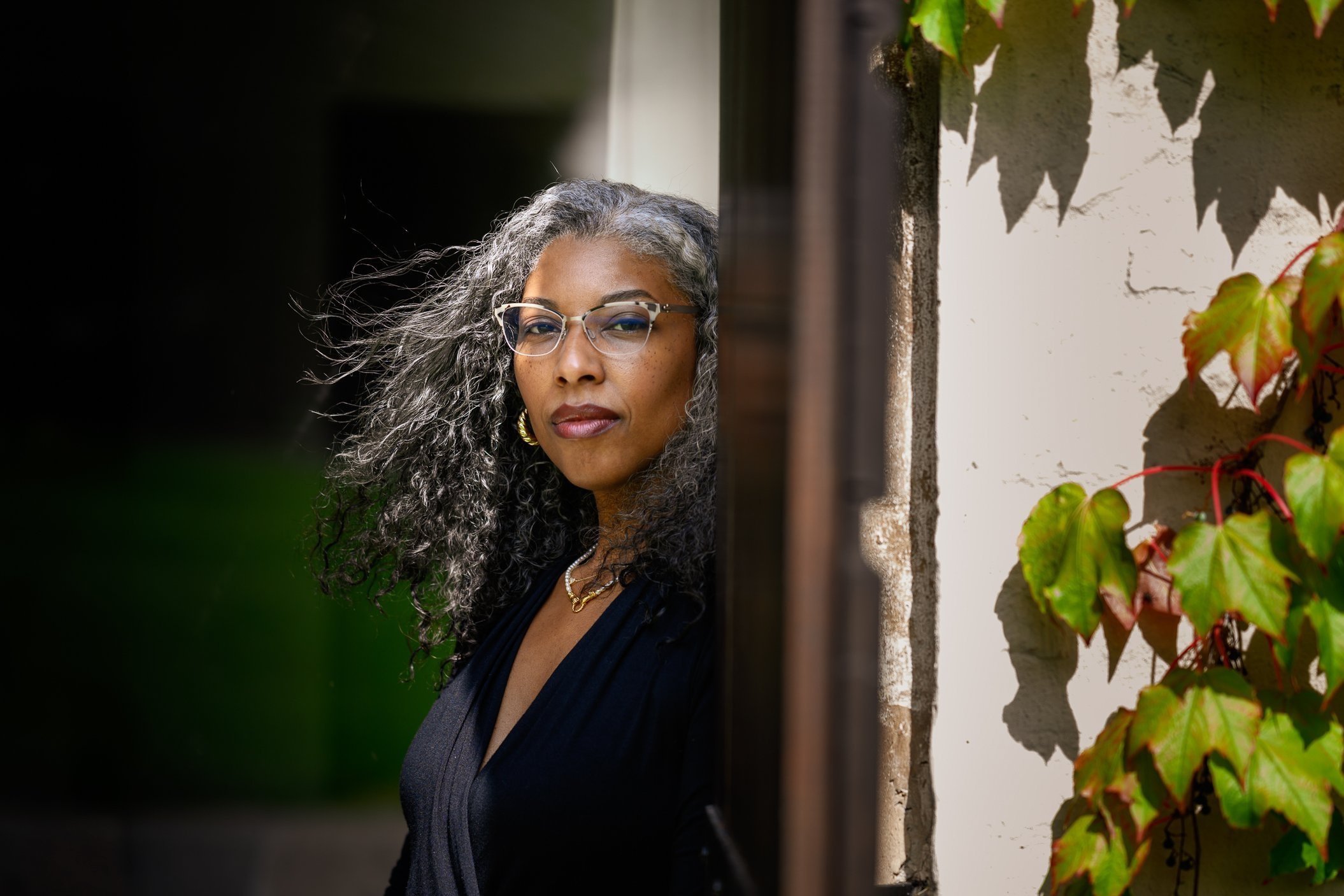
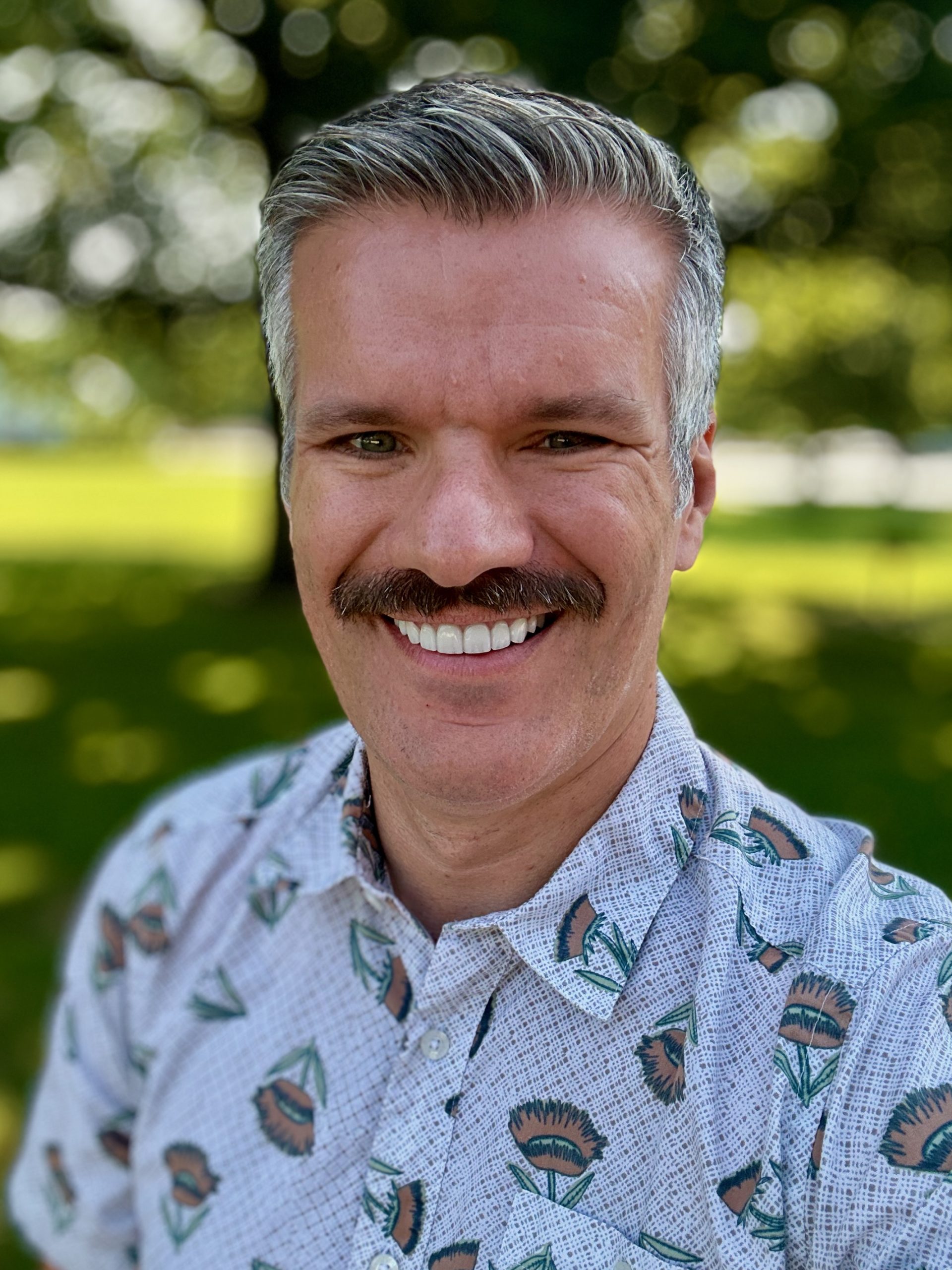
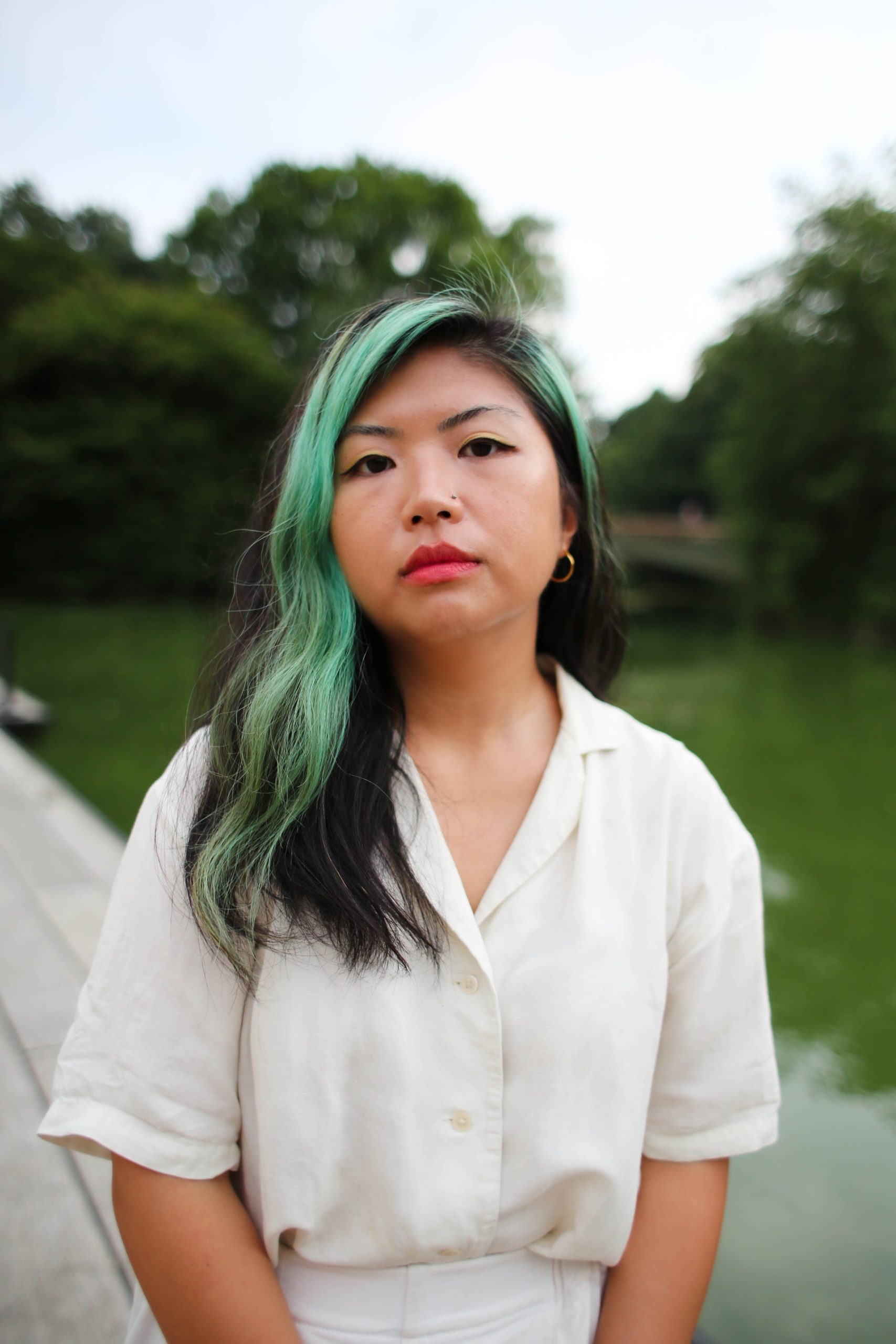
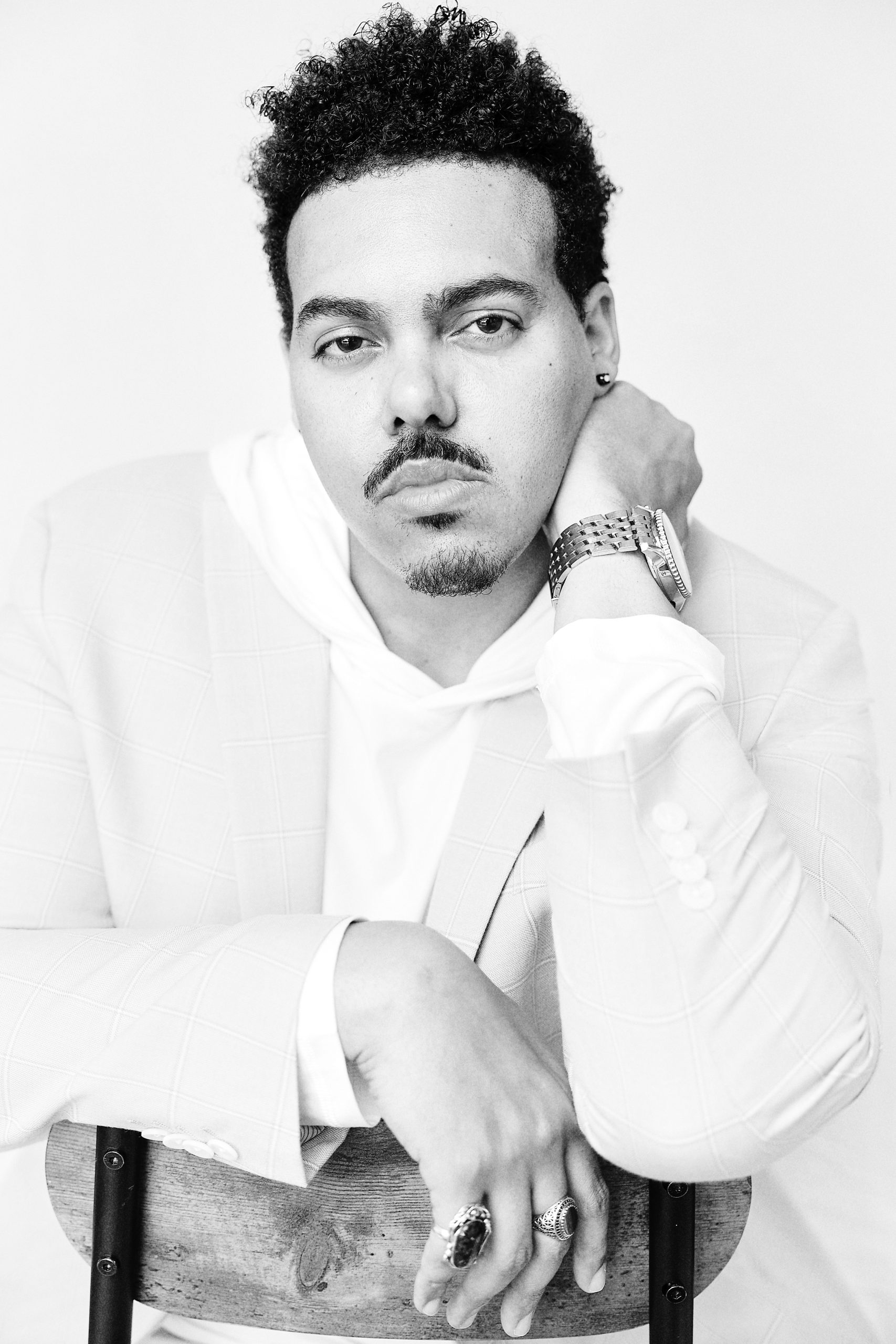
Khadijah Queen is the author of eight books of poetry and prose, most recently Between the Devil & the Deep Blue Sea: A Veteran’s Memoir (Hachette Books/Legacy Lit 2025). Other books include I’m So Fine: A List of Famous Men & What I Had On (YesYes Books 2017), praised in O Magazine, The New Yorker, Rain Taxi, and elsewhere as “quietly devastating” and “a portrait of defiance that turns the male gaze inside out.”  In 2025 the Foundation for Contemporary Arts recognized Queen’s work with the Cy Twombly Award in Poetry. She holds a PhD in English from the University of Denver and an MFA in creative writing from Antioch University Los Angeles. Visit her website: khadijahqueen.com.

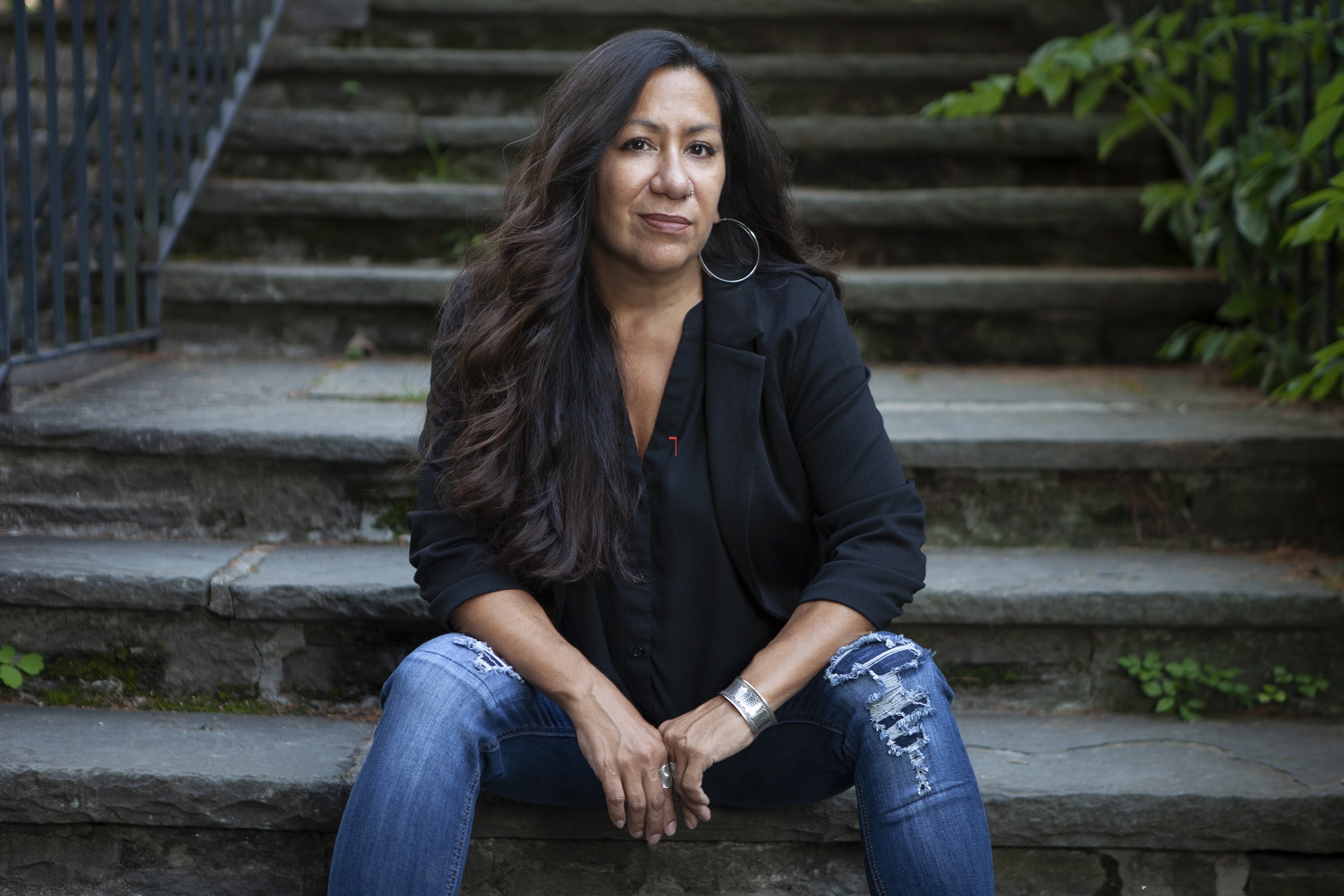
Angelique Stevens teaches creative writing, literature of genocide, and race literatures at a community college in Upstate New York. Her nonfiction has been published in Best American Essays in both 2022 and 2023, GrantaLitHubThe New England Review, and others. She holds an MFA in Creative Nonfiction from Bennington College and an MA from SUNY Brockport in Literature. She has received fellowships from MacDowell, Hedgebrook, Bread Loaf, Tin House, The Kenyon Review, Sewanee, and the Periplus Mentorship Collective (where she is now a mentor), and a teaching fellowship to the Lighthouse Book Project (where she now teaches writing classes). She is working on a collection of essays about poverty and the myth of the American Dream due out from Simon & Schuster.

Photo of Grace Talusan

Grace Talusan is the author of The Body Papers, which won the Restless Books Prize for New Immigrant Writing and the Massachusetts Book Award in Nonfiction. She teaches writing at Brown University and is on the board of the National Book Critics Circle. 

Poetry

Dan Beachy-Quick is a poet, essayist, and translator. He is the author of many poetry collections including, most recently, Arrows (Tupelo 2020). His critical work includes How to Draw A Circle: On Reading and Writing (Michigan UP, Poets on Poetry Series, 2024), Of Silence & Song (Milkweed Editions, 2017), and literary reveries on Herman Melville’s Moby Dick and John Keats. Translation work includes pre-Socratic philosophy, The Thinking Root, a collection of early lyric poetry, Stone-Garland (Milkweed Editions), and Wind—Mountain—Oak, a translation of Sappho. A book-length conversation with Kylan Rice, Primer, is available from Free Poetry. Collaborators include the ceramicist Del Harrow, performance artist Matthew Goulish, and poets Srikanth Reddy and Bruce Bond. His work has been supported by the Monfort, Lannan, and Guggenheim Foundations, and by the Woodberry Poetry Room at Harvard University. He teaches at Colorado State University, where he is a University Distinguished Teaching Scholar, and currently serves as Interim Chair of the English Department.

Marianne Chan grew up in Stuttgart, Germany, and Lansing, Michigan. After she earned her B.A. in English from Michigan State University, she went on to study poetry at the University of Nevada, Las Vegas, where she earned her MFA. She earned her Ph.D. in Creative Writing & Literature from the University of Cincinnati in 2023.

Marianne is the author of All Heathens (Sarabande Books 2020), which was the winner of the 2021 GLCA New Writers Award in Poetry, the 2021 Ohioana Book Award in Poetry, and the 2022 Association for Asian American Studies Book Award for Outstanding Achievement. In 2024, she published her second collection Leaving Biddle City (Sarabande Books), which was the winner of a 2025 ALA Notable Book Award and was a 2024 Poetry Foundation Staff Pick. Her poems have appeared in Poetry Magazine, New England Review, The Kenyon Review, Michigan Quarterly Review, and elsewhere. Between 2017-2019, she served as poetry editor for Split Lip Magazine.

She lives in Norfolk, VA, where she teaches creative writing at Old Dominion University. She teaches poetry for the Warren Wilson MFA Program for Writers.

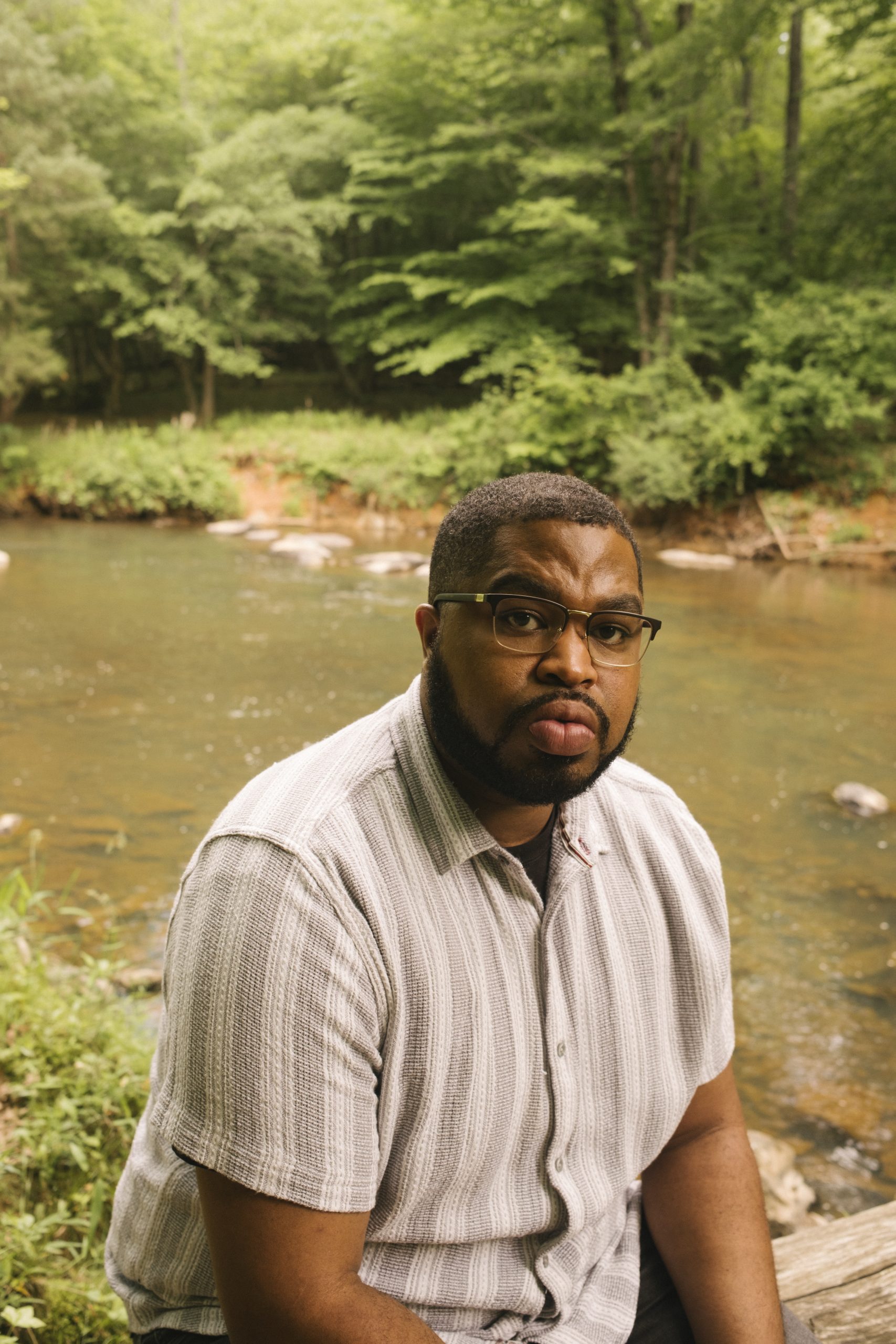
Tyree Daye is the author of the poetry collections a little bump in the earth (Copper Canyon Press, 2024), Cardinal (Copper Canyon Press, 2020), and River Hymns (American Poetry Review, 2017), and winner of the APR/Honickman First Book Prize.

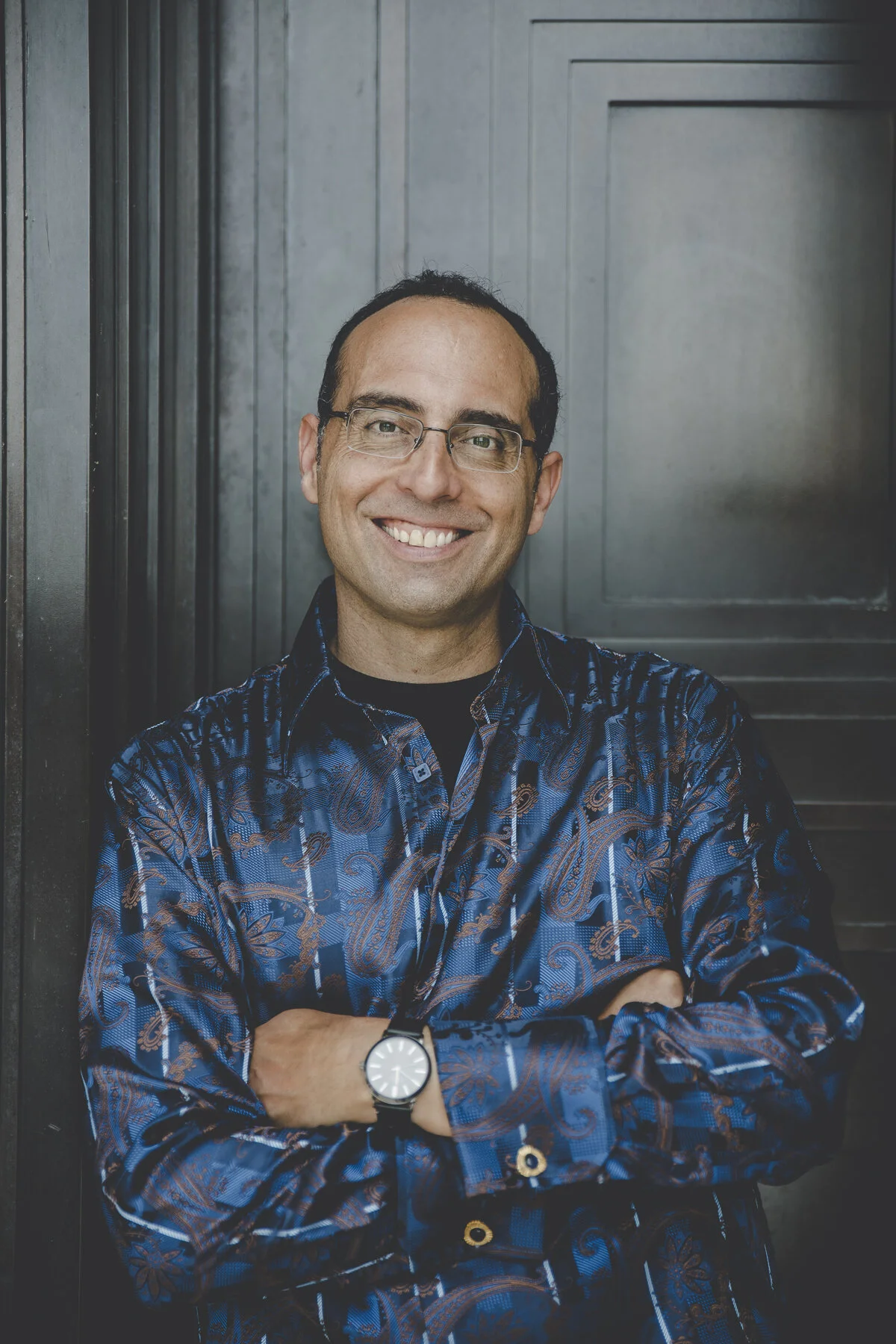
Philip Metres is a poet and the author of thirteen books, most recently the essay collection Dispatches from the Land of Erasure (University of Michigan Press, 2025). His books of poetry include Fugitive/Refuge (Copper Canyon 2024), Shrapnel Maps (Copper Canyon, 2020), The Sound of Listening: Poetry as Refuge and Resistance (University of Michigan, 2018), Sand Opera (Alice James, 2015), and I Burned at the Feast: Selected Poems of Arseny Tarkovsky (Cleveland State, 2015). His work—poetry, translation, essays, fiction, criticism, and scholarship—has garnered fellowships from the Guggenheim Foundation, the Lannan Foundation, the National Endowment for the Arts, the Ohio Arts Council, and the Watson Foundation. He is the recipient of the Adrienne Rich Award, three Arab American Book Awards, the Lyric Poetry Prize, a Pushcart Prize, and the Cleveland Arts Prize. Metres has been called “one of the essential poets of our time,” whose work is “beautiful, powerful, magnetically original.”  

He is a professor of English and the director of the Peace, Justice, and Human Rights program at John Carroll University. He lives with his family in Cleveland, Ohio.

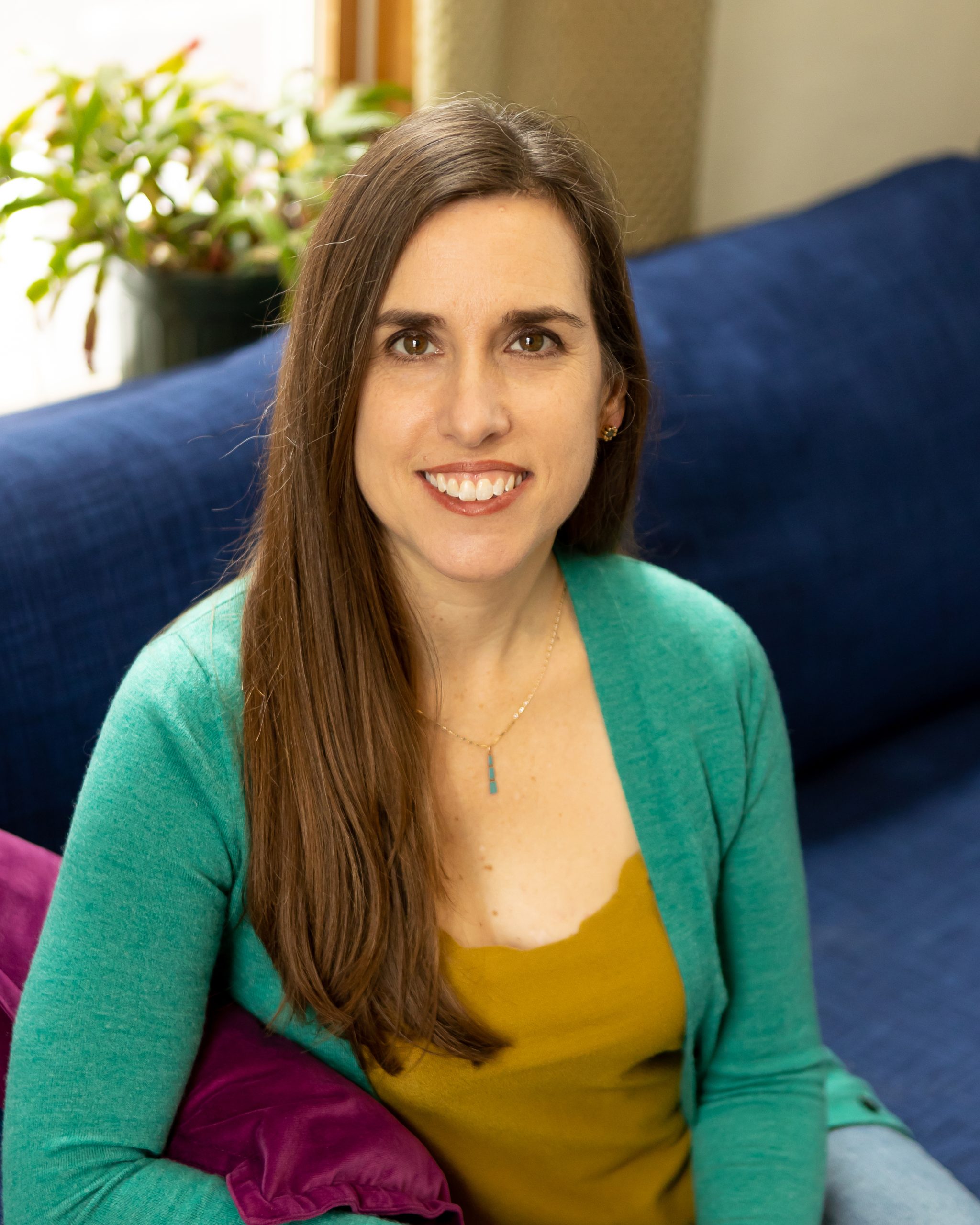
Anna V. Q. Ross is a poet and critic and the author of the poetry collections Flutter, Kick (Red Hen Press), winner of the Benjamin Saltman Poetry Award and Julia Ward Howe Award in Poetry, and named a 2023 Best New Poetry Book by the New York Public Library; If a Storm (Anhinga Press), winner of the Robert Dana-Anhinga Award; and the chapbook Figuring (Bull City Press). She holds an MFA from Columbia University, and her work has been supported by fellowships from the Fulbright Foundation, Massachusetts Cultural Council, Vermont Studio Center, Virginia Center for the Creative Arts, Sewanee Writers’ Conference, and the Community of Writers. Her poems have appeared in journals including American Poetry ReviewHarvard ReviewThe Kenyon ReviewMissouri ReviewThe NationThe Paris Review, and on The Slowdown. She teaches creative writing and literature at Tufts University and through the Emerson Prison Initiative and is a board member for Words as Worlds, a nonprofit bookstore and community literary gathering space in her neighborhood of Dorchester in Boston, MA, where she lives with her family and raises chickens.

Paul Tran is the author of the debut poetry collection, All the Flowers Kneeling, published by Penguin. Their work appears in The New York TimesThe New YorkerBest American Poetry, and elsewhere. They earned their BA in History from Brown University and MFA in Poetry from Washington University in St. Louis. Winner of the Discovery/Boston Review Poetry Prize, as well as fellowships from the Poetry Foundation, Stanford University, and the National Endowment for the Arts, Paul is an Assistant Professor of English and Asian American Studies at the University of Wisconsin-Madison.

Fiction

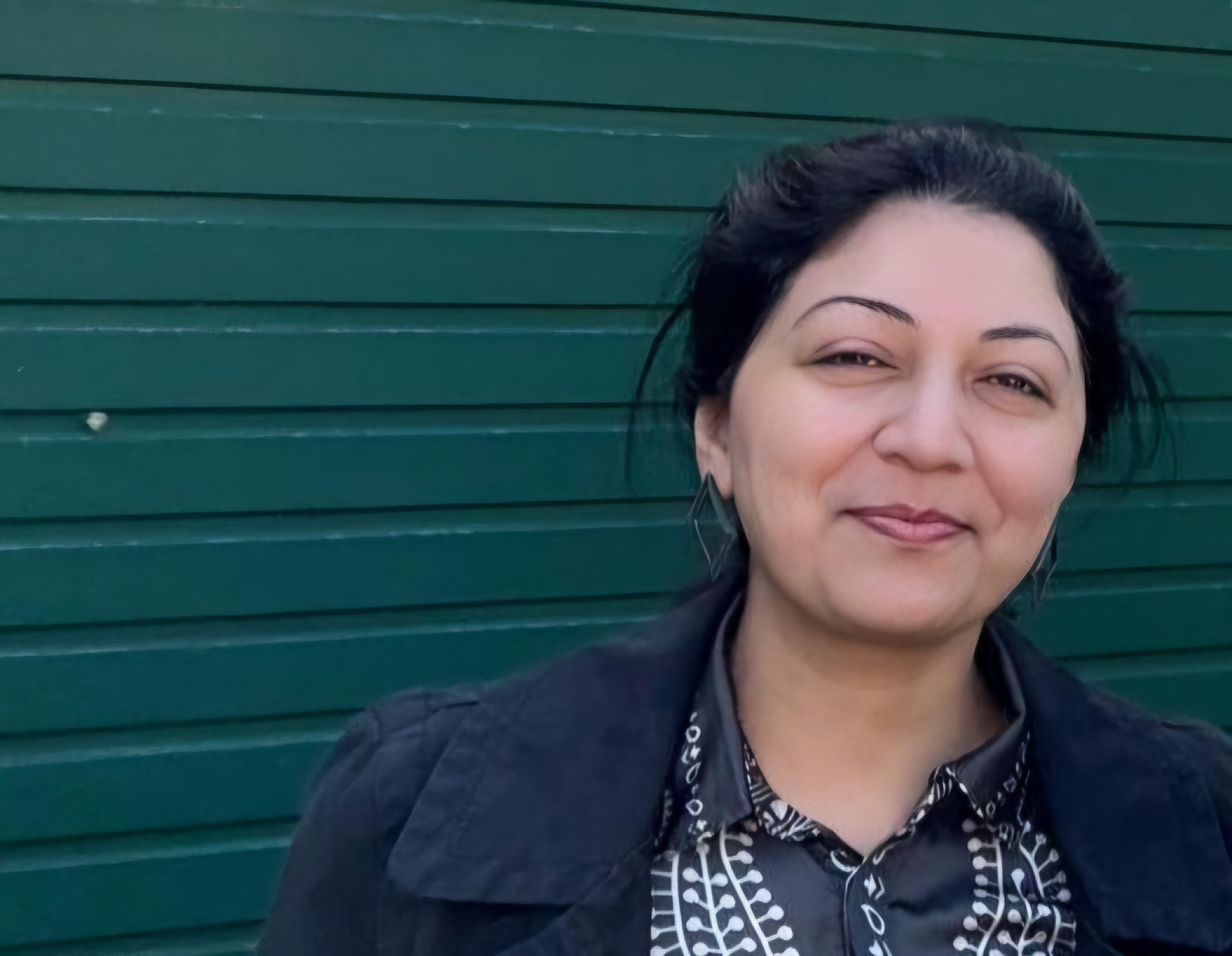
Farah Ali is the writer of the novels Telegraphy (CB editions, 2026) and The River, The Town, and the short-story collection People Want to Live. Her work has been anthologized in the Pushcart Prize and The Best Small Fictions, and has appeared in Shenandoah, The Kenyon Review, Ecotone, Virginia Quarterly Review and elsewhere. She is the cofounder of Lakeer. She lives in London.

Matt Bell is the author most recently of the novel Appleseed (a New York Times Notable Book) and the craft book Refuse to Be Donea guide to novel writing, rewriting, and revision. He is also the author of the novels Scrapper and In the House upon the Dirt Between the Lake and the Woods, as well as the short story collection A Tree or a Person or a Walla non-fiction book about the classic video game Baldur’s Gate IIand several other titles. His writing has appeared in The New York Times, Esquire, Tin House, Fairy Tale Review, American Short Fiction, Orion, and many other publications. A native of Michigan, he teaches creative writing at Arizona State University.

Gina Chung is a Korean American writer from New Jersey currently living in New York City. She is the author of the novel Sea Change, which was longlisted for the Center for Fiction First Novel Prize and a B&N Discover Pick, and the short story collection Green Frog, which was a Good Morning America Book Buzz Pick, an NPR Best Book of the Year, and longlisted for the New American Voices Award. She has received the O. Henry Prize for Short Fiction, a Pushcart Prize, two APALA Adult Fiction Honors, and a Center for Fiction/Susan Kamil Emerging Writer Fellowship. She is a faculty member of the Solstice MFA in Creative Writing Program at Lasell University.

Jonathan Escoffery is the author of the linked story collection, If I Survive You, a New York Times and Booklist Editor’s Choice, an IndieNext Pick, and an International Bestseller. If I Survive You was nominated for more than a dozen prizes and awards internationally, including the National Book Award, the PEN/Jean Stein Book Award, and the PEN/Robert W. Bingham Prize, and was a finalist for the Booker Prize, the Dublin Literary Award, the PEN/Faulkner Award for Fiction, the National Book Critics Circle’s John Leonard Prize, and others. If I Survive You received American Short Fiction’s 2023 Constellation Award for a Story Collection and was named Miami New Times’ 2023 Best Book by a Local Author.

In 2023, Jonathan was named among the 36 Forces Shaping the Cultural Conversation by Harper’s Bazaar. He was a 2021-2023 Wallace Stegner Fellow at Stanford University and received The Paris Review’s Plimpton Prize for Fiction and a National Endowment for the Arts Fellowship in 2020. His writing has appeared in The New York TimesThe ObserverThe Paris ReviewOprah Daily, Electric LiteratureZyzzyva, American Short Fiction, and elsewhere.

Photo credit: Jesse Dittmar

Hanna Pylväinen is the author of the novels We Sinners, which received the Whiting Award and the Balcones Fiction Prize, and The End of Drum-Time, a finalist for the 2023 National Book Award in fiction, both from Henry Holt & Co. She graduated summa cum laude from Mount Holyoke College and received her MFA from the University of Michigan, where she was also a Zell Fellow. Her work has appeared in Harper’s, The New York Times, The New York Times Magazine, the Chicago Tribune, and The Wall Street Journal; she is the recipient of residencies at MacDowell, Yaddo, and the Lásságámmi Foundation, as well as fellowships from the Lower Manhattan Cultural Council, the American-Scandinavian Foundation, two fellowships from the Fine Arts Work Center in Provincetown, a Princeton Arts Fellowship at Princeton University, and a Cullman Fellowship at the Dorothy and Lewis B. Cullman Center for Writers and Scholars at the New York Public Library. She has taught at the University of Michigan, Princeton University, and Virginia Commonwealth University; currently, she teaches at the Warren Wilson College MFA Program for Writers. She lives in Philadelphia.

Jiaming Tang is the author of Cinema Love, a Dakota Johnson x Teatime Book Club Pick. He holds an MFA from the University of Alabama, and his writing has appeared in AGNI, Lit Hub, Joyland Magazine, and elsewhere. He was a 2022-23 Center for Fiction Emerging Writer Fellow and lives in Brooklyn, New York.

FAQ

How is the workshop structured?

Participants attend workshops from 2:00 p.m. to 4:00 p.m. ET each Saturday. Workshops will involve discussion of assigned reading, writing outside of workshop in response to prompts, sharing individual writing, and workshopping each other’s writing.

How many people are in each workshop?

Each class is limited to 12 participants.

Will I have a chance to write much during the week?

Yes. You will write a lot. The Kenyon Review Online Writers Workshops are unique in that they are generative in nature. This workshop is designed to help you create new work. By the time the workshop weeks are over, participants have a number of new pieces on their way to completion, and they leave the workshop with a clearer, more self-directed sense of what they need and want to continue working on in their writing.

Who teaches the workshops?

Our faculty are talented writers and teachers from around the country. Many of our faculty members have been published in the Kenyon Review. Our instructors have advanced degrees in creative writing, have a lot of experience in the world of publishing, and most teach creative writing at universities during the academic year. They are a strong team with a deep understanding of the curriculum and philosophy of the Kenyon Review Writers Workshops.

What kind of writers enroll in the Kenyon Review Online Writers Workshops?

Our participants are a diverse group, representing a wide range of academic and personal interests. Some are experienced writers who are hoping to expand their range and take some risks. Others relatively new to writing might be seeking an opportunity to receive feedback and instruction on craft. Overall, the participant who will benefit most from the workshop is one who likes to work with other people and who isn’t looking for a traditional approach to writing and learning. If you’re open to experimentation, willing to be playful and take some risks as a learner, and more interested in the writing process than in final goals, then you will thrive in the Kenyon Review Writers Workshops.

Are the Kenyon Review’s residential Writers Workshops also being offered in the summer of 2026?

Yes. For more information about our summer programming, please visit our Writers Workshop page.

Who can apply for the Kenyon Review Online Writers Workshops?

Anyone 18 years of age or older is eligible to apply.

I’m not a U.S. Citizen. Can I still apply?

Yes. We welcome international applications.

When can I apply?

Applications are open November 10 through December 12, 2025. Kenyon Review programs are selective, and all applications are reviewed by committee. We will make every attempt to let applicants know our admission decision within four weeks of our applications closing.

How do I apply?

You will need to create a free Submittable account in order to apply, which you can do on our application page. If you already have a Submittable account, please sign in using your existing account. Be sure to add submittable.com to your address book and/or check your spam folders for email confirmations and notifications that we will send via Submittable.

To complete the online application, you must submit an online application form and a writing sample that showcases your best writing. If you are signing up for the poetry workshop, submit 3 to 4 poems. If you are signing up for the fiction or creative nonfiction workshop, we request between 5-20 pages of prose writing.

How do I know that you received my application?

Once you have submitted your application, you will receive an email notification at the address you entered when you signed up for a Submittable account. Be sure to whitelist submittable.com or check your spam folder to ensure that you receive notifications from Submittable. You can also log back in to your Submittable account to check the status of your application at any time. If you have any problems or questions, please contact us at writersworkshops@kenyonreview.org, or 740-427-5522.

How are applicants chosen for the Kenyon Review Writers Workshops?

In evaluating applications, the selection committee pays particular attention to the writing sample. We are looking for participants who show real talent and passion for writing as well as participants who will thrive in the workshop. We strive to admit a diverse group of people with a wide range of writing styles and personal interests. We are selective in our acceptance, but if you are not accepted this year, we encourage you to reapply.

If I am put on the waitlist, when will I find out whether a spot has opened up?

We fill spaces as they become available, and we intend to have all enrollments confirmed by mid January.

If I am not accepted, can I apply again?

Absolutely. We encourage this. We have a wide range of workshop offerings in 2026.

How much is tuition?

Tuition for the Kenyon Review Online Writers Workshops is $795.00. If you are accepted, you’ll receive a link to an enrollment form which should be completed and returned, along with full payment by January 7. If you don’t submit payment by January 7, you forfeit your space. If you submit your tuition and then cancel your enrollment on or before January 9, the Kenyon Review will keep a $250 cancellation fee. There will be no refunds after January 9.

We have limited funds to offer toward partial scholarships for adult writers workshop participants who demonstrate financial need and have published in reputable literary journals (be sure to include publications in uploaded resume). All scholarships are granted on the basis of both merit and need. If you would like to apply for a partial scholarship, please fill out the scholarship section of the application.

How do I pay?

You may pay your tuition through our online store. We prefer online payments, but you may also pay by check (payable to “Kenyon Review” and mailed to Kenyon Review Writers Workshop, 102 W. Wiggin St. Gambier, OH 43022) or by calling 740-427-5208.

In what time zone will program events be happening?

All workshop schedules are listed in Eastern Daylight Time.